
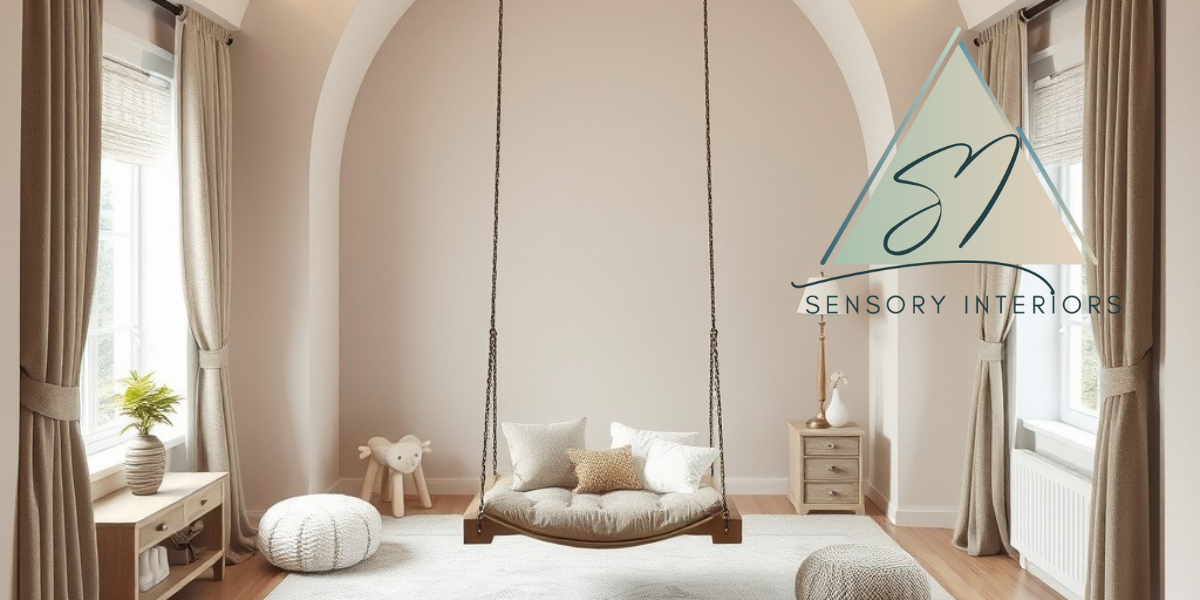
Sensory Interiors elevates therapeutic design with environments tailored for neurodivergent individuals, blending psychology, collaboration, and award-winning expertise.
Redefining Therapy Through Design
When Lily Riefkohl first stepped into a dim, overstimulating therapy room early in her career, she recognized a problem that extended far beyond décor. The space itself felt at odds with its purpose. Instead of calming the children who entered, its chaotic lighting, harsh echoes, and cluttered layout seemed to heighten stress and distraction. That moment sparked what would become Sensory Interiors, a studio dedicated to reshaping therapeutic environments into places that actively support emotional regulation and well-being.
Riefkohl understood that design could not be separated from human experience. For neurodivergent individuals, especially children with autism or sensory sensitivities, the environment influences far more than comfort. It affects their ability to engage, process, and participate in therapy. “Design is not just about aesthetics,” she says. “It is about supporting the sensory and emotional needs of the person in the space.”
A Growing Need for Sensory-Informed Spaces
Traditional therapy rooms can often feel overstimulating, filled with visual and auditory distractions that make engagement difficult. Sensory Interiors approaches these challenges through a research-driven framework that blends design psychology with practical insights from therapists, behavior specialists, and families. The result is a space that feels safe, grounded, and predictable. Such an environment can reduce anxiety and help individuals self-regulate, ultimately improving therapeutic participation.
The studio emphasizes lighting, acoustics, spatial layout, and texture. Soft, adjustable lighting reduces glare and overstimulation. Sound-absorbing materials, from carpets to acoustic panels, help create quieter, more predictable rooms. Flexible layouts provide space for movement as well as quiet areas for retreat, while muted colors and calm textures support emotional steadiness.
 Award Recognition
In December 2025, Sensory Interiors was named the Best Neurodivergent Interior Design Firm in South Florida of 2025 by Best of Best Review. The recognition highlights the firm’s specialized expertise, its evidence-informed methodology, and its commitment to creating environments that nurture neurodivergent individuals. The award underscores Sensory Interiors’ leadership in a field where thoughtful design can influence not only comfort but therapeutic outcomes.
Impact Inside Therapeutic Settings
Therapy clinics that have adopted Sensory Interiors’ designs report consistent improvements. Clinical directors note that clients appear calmer and more settled when they enter redesigned spaces. Therapists say sessions run more smoothly, and families share that their children seem more willing to participate.
These outcomes are not incidental. Riefkohl and her team work closely with clinicians to understand specific needs, designing with function and sensory experience at the forefront. A therapy room might include zones for movement and exploration as well as areas meant for quiet focus. In many projects, the team integrates sensory-friendly materials and lighting controls so therapists can tailor the space to the moment’s needs.
With more than thirty-five ABA clinics across the United States incorporating Sensory Interiors’ environmental principles, the firm has built a substantial body of work that demonstrates how design can influence behavior, comfort, and therapeutic effectiveness.
A Collaborative Approach to Design
Riefkohl credits much of the firm’s success to collaboration. Working directly with families, BCBAs, RBTs, and therapists allows the team to design from lived experience rather than assumptions. This approach ensures that each project is attuned to real needs, whether the space is a clinic, classroom, or family home.
“I have seen how simple changes in lighting or acoustics can transform a previously overwhelming room into a place where someone finally feels comfortable,” she explains. These insights shape not only the visual identity of each project but its sensory function as well.
Expanding the Reach of Sensory-Informed Design
“Although much of the firm’s work centers on therapy environments, Sensory Interiors increasingly applies the same principles to private residences and community spaces. Families have sought out their expertise to create calmer bedrooms and living spaces for children with sensory processing challenges. The firm focuses on a completely personalized approach, tailoring designs to meet the specific sensory needs of individuals, including those in autism clinics.”
 This broader impact reflects a growing recognition that sensory-informed design benefits everyone, not just neurodivergent individuals. Calm, well-organized environments support emotional balance and ease daily navigation, making everyday spaces more inclusive.
Shaping the Conversation on Neurodiversity and Space
As awareness around neurodiversity expands, Sensory Interiors advocates for environments that respond to sensory needs with intention and empathy. The firm’s work emphasizes that design and care are inherently connected. By treating the environment as part of the therapeutic experience, Sensory Interiors seeks to shift the industry toward more mindful, human-centered practice.
Riefkohl’s philosophy centers on a simple but powerful idea: spaces should support the people inside them. This belief guides every project and has earned the firm the trust of families and professionals alike.
Sensory Interiors continues to push for broader education around sensory-informed practices and accessible design. Their portfolio and collaborative approach illustrate how deeply the environment influences emotional and cognitive functioning. With their recent award highlighting their leadership in the field, the firm is poised to continue shaping the future of neurodivergent-focused design.
For readers interested in learning more about designing sensory-supportive spaces, visit Sensory Interiors at www.sensory-interiors.com.
Follow them on Instagram: @sensory_interior, LinkedIn: Lily Riefkohl, or Sensory Interiors for updates on their latest projects. Join the movement for better, more inclusive spaces!