

Across the United States, Community Wellness Programs Bring New Energy to Preventive Health in 2026
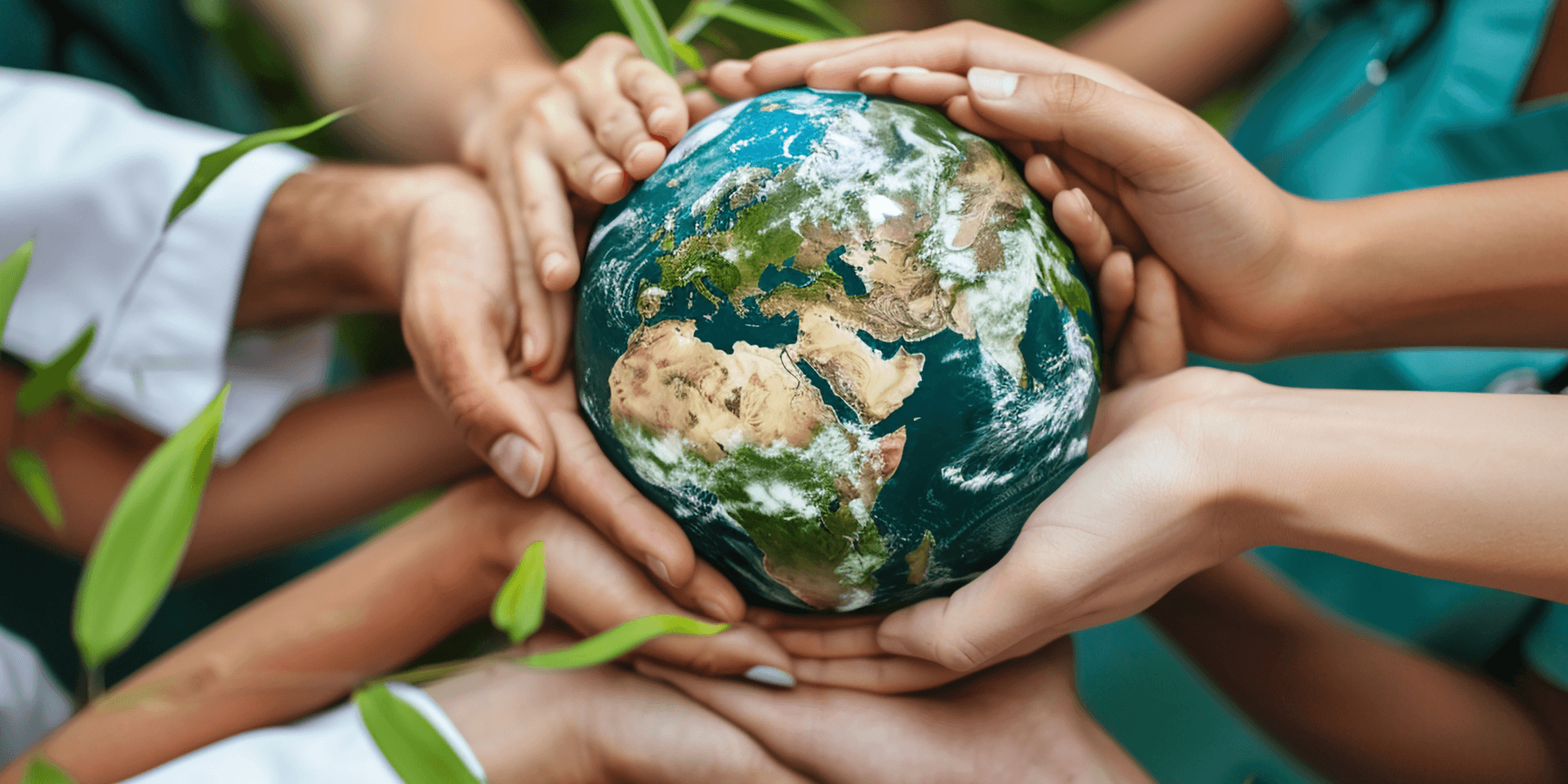
Across cities, towns, and rural communities throughout the United States, a wave of community-driven wellness programs is reshaping how people think about health. In 2026, a growing emphasis on prevention, accessibility, and everyday wellbeing is helping individuals and families take simple but meaningful steps toward healthier lives.
Rather than focusing only on treatment after illness, many local health organizations, schools, and community centers are prioritizing preventive care. These efforts aim to support physical health, mental wellbeing, and social connection, three pillars increasingly recognized as essential to long-term quality of life.
A Shift Toward Preventive and Accessible Care
One of the most notable developments in the current wellness landscape is the expansion of preventive health programs that meet people where they are. Community clinics and nonprofit organizations have been hosting free health screenings in public spaces such as libraries, parks, and local events. These screenings often include blood pressure checks, basic fitness assessments, nutritional guidance, and mental wellness check-ins.
The goal is simple: make early health awareness easier and more approachable. By removing barriers such as cost, transportation, and scheduling difficulties, these programs encourage more people to engage with their health before issues become serious.
Health educators involved in these initiatives emphasize that small changes, like regular walking routines, balanced meals, hydration habits, and stress management, can have long-term positive effects. Many programs also offer follow-up support, helping participants set realistic goals and stay consistent over time.
Mental Wellbeing Gains More Attention
Alongside physical health, mental wellbeing has become a central focus in community wellness efforts. Across the country, schools, workplaces, and local organizations are introducing mindfulness sessions, stress management workshops, and peer support groups.
These initiatives reflect a broader understanding that mental and emotional health are deeply connected to physical wellbeing. Programs often include guided meditation, breathing exercises, journaling workshops, and open discussions about managing daily stress.
In schools, counselors and educators are increasingly incorporating emotional resilience training into student support programs. These efforts aim to help young people build healthy coping strategies early in life, particularly as academic and social pressures continue to evolve.
Workplaces are also adopting wellness-friendly practices such as flexible scheduling, wellness breaks, and access to mental health resources. These changes are contributing to more balanced environments where employees can maintain productivity without sacrificing wellbeing.
Nutrition and Active Living in Everyday Spaces
Nutrition education and physical activity initiatives continue to play a key role in nationwide wellness efforts. Many communities have introduced “healthy living hubs” in public spaces where residents can access cooking demonstrations, nutrition classes, and group fitness activities.
Local farmers’ markets and urban gardens are also becoming central to these efforts, providing fresh produce and encouraging healthier eating habits. In several neighborhoods, community gardens are doubling as educational spaces where residents learn about sustainable food practices and nutrition basics.
Physical activity programs are designed to be inclusive and flexible. From family-friendly fitness classes in parks to walking clubs for older adults, these programs encourage movement in ways that feel approachable rather than intimidating. The focus is not on performance but on consistency, enjoyment, and long-term habit building.
Technology Supporting Personal Wellness
Technology continues to support this shift toward preventive health. Many wellness programs now integrate digital tools such as mobile health apps, virtual coaching sessions, and online support communities. These tools help individuals track their habits, set personal goals, and access guidance at any time.
Wearable devices, such as fitness trackers, are also being used more widely to encourage awareness of daily activity levels, sleep patterns, and heart health metrics. While these tools are not replacements for medical care, they serve as helpful motivators for maintaining healthy routines.
Telehealth services have further expanded access to care, allowing individuals to consult healthcare professionals from the comfort of their homes. This convenience has been particularly valuable for those in rural or underserved areas.
Building Stronger, Healthier Communities
Beyond individual benefits, community wellness programs are strengthening social connections. Group activities, shared learning environments, and volunteer-driven initiatives are fostering a sense of belonging and mutual support.
Experts in public health often highlight that social connection is a powerful factor in overall wellbeing. Communities that support one another tend to experience better health outcomes, greater resilience, and improved quality of life.
In many regions, wellness initiatives are also being integrated into public policy planning, with local governments collaborating with schools, nonprofits, and healthcare providers. This cooperative approach ensures that health resources are distributed more effectively and reach a wider population.
A Positive Outlook for the Future of Wellness
As 2026 progresses, the United States continues to see a cultural shift toward proactive and community-centered health practices. The focus on prevention, accessibility, mental wellbeing, and social connection is helping redefine what it means to live a healthy life.
While challenges remain, the momentum behind these programs suggests a promising direction. By making wellness more inclusive and integrated into daily life, communities are helping individuals build healthier habits that can last a lifetime.
In this evolving landscape, health is no longer seen as a distant goal but as a daily practice, shaped by small, consistent choices and supported by the people and communities around us.

Good Morning US Contributor
Covers health, consumer technology, and entertainment, tracking the stories driving the daily conversation.
This article features partner, contributor, or branded content from a third party. Members of the Good Morning US editorial staff were not involved in the creation of this content. All views and opinions are those of the contributor alone.
You May Also Like
Bayan Health Puts the Human Connection Back Into Telehealth

Anthropic Reports AI Safety Measures After Blocking Attempts to Misuse Its Models

Amazon and Qualcomm Announce Major AI Chip Partnership for AWS Data Centers
Amazon and Qualcomm Announce Major AI Chip Partnership for AWS Data Centers

Hurricane Marie Sends Rain and Dangerous Surf Into Southern California