
Amazon Plans Drone Delivery Expansion to Nearly 500 U.S. Cities
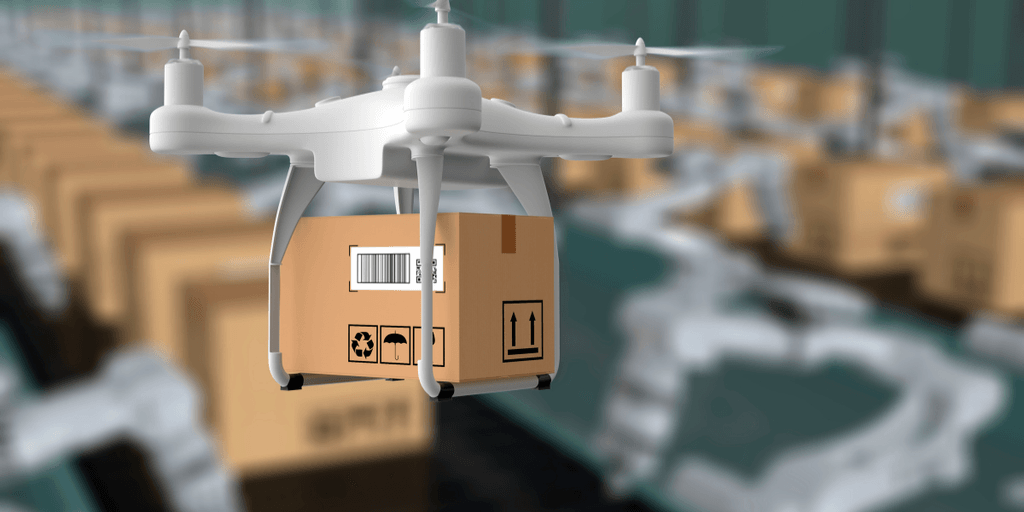
Amazon announced an ambitious expansion of its Prime Air drone-delivery network Wednesday, saying the service is expected to reach nearly 500 U.S. cities and towns by the end of the year.
The expansion would significantly broaden the availability of autonomous delivery and bring drone-based commerce closer to ordinary household use. Amazon said Prime Air can deliver millions of eligible items in as little as 30 minutes, depending on location and availability.
The announcement represents one of the largest planned expansions of commercial drone delivery in the United States.
Drone delivery moves toward everyday commerce
Amazon has spent years developing Prime Air as an alternative to conventional delivery methods.
The service uses autonomous drones to transport relatively small packages from nearby fulfillment locations to customers.
The company's stated goal is to make drone delivery another component of its logistics network rather than a novelty service limited to demonstrations.
Amazon said its drones can carry eligible items weighing less than five pounds and are designed to deliver orders quickly.
The planned expansion to nearly 500 locations would bring the technology to a much broader customer base.
Safety technology is central
Amazon said its Prime Air aircraft use a Detect-and-Avoid system that allows drones to monitor surrounding airspace and make real-time safety decisions.
Autonomous navigation is one of the most important technical requirements for scaling drone delivery.
A system operating across hundreds of communities cannot depend entirely on human pilots controlling each flight. Instead, drones must be capable of identifying potential obstacles and adjusting their flight paths.
Amazon's expansion therefore depends not only on the aircraft themselves but also on software and automated systems capable of managing increasingly complex delivery environments.
Why speed matters
Traditional package delivery generally involves centralized sorting and road-based transportation.
Drone delivery changes that model by allowing some orders to move directly from a nearby facility to the customer's location.
Amazon says Prime Air can deliver eligible products in as little as 30 minutes.
For consumers, the potential advantage is obvious: smaller, urgent purchases could arrive substantially faster.
For Amazon, faster delivery could also create another way to differentiate its logistics network.
The technology has limitations
The expansion does not mean that drones will replace delivery vans.
Prime Air is designed for particular types of orders, especially lightweight products that can be transported safely within the aircraft's operational range.
Weather, geography, airspace requirements and local infrastructure can also influence where the service can operate.
Amazon's plans therefore represent an expansion of one delivery method rather than a complete restructuring of the company's logistics network.
Conventional delivery vehicles will remain necessary for larger packages and routes that drones cannot efficiently serve.
An important test for autonomous logistics
Scaling from a limited number of communities to nearly 500 locations will provide a major test of autonomous delivery technology.
Operating at greater scale requires reliable aircraft, launch infrastructure, customer communication and automated flight systems.
It also requires communities to become comfortable with drones operating overhead.
The success of Prime Air will therefore depend on both technological performance and practical integration into local environments.
What consumers could experience
If Amazon's expansion proceeds as planned, more consumers could encounter drone delivery as an ordinary option during checkout.
The most likely use cases involve small household products, everyday purchases and items for which speed matters more than package size.
That could gradually change consumer expectations about how quickly certain products should arrive.
However, availability will continue to depend on whether an individual address is within an active Prime Air service area and whether the ordered item meets the program's requirements.
A broader technology trend
Amazon's announcement comes as autonomous technology is expanding across several parts of transportation and logistics.
Companies are experimenting with autonomous vehicles, robotic warehouses and automated delivery systems as they search for more efficient ways to move goods.
Drone delivery is particularly suited to the final portion of a journey because aircraft can avoid road congestion.
The technology could become increasingly useful in areas where conventional delivery routes are inefficient, provided regulatory and operational requirements can be met.
Why it matters
Amazon's plan to reach nearly 500 U.S. cities and towns represents a significant step toward mainstream autonomous delivery.
The announcement is important not simply because of the number of communities involved, but because it signals an attempt to make drone delivery a regular part of consumer commerce.
For American households, the change could eventually mean that some everyday purchases arrive by air rather than by road.
For the technology industry, the expansion provides a real-world test of autonomous flight at commercial scale.
The significance of Prime Air will ultimately depend on execution, but the planned expansion shows that autonomous delivery is moving steadily from an experimental concept toward a larger part of the U.S. logistics system.

Good Morning US Contributor
Covers health, consumer technology, and entertainment, tracking the stories driving the daily conversation.
This article features partner, contributor, or branded content from a third party. Members of the Good Morning US editorial staff were not involved in the creation of this content. All views and opinions are those of the contributor alone.
You May Also Like

SunKissed Greenz Expands Its Natural Wellness Mission With More Thoughtful Choices For Pets

The Assurance Network: Insurance With Heart

Money Is Not Your Problem. Your Pattern Is.

Are Kids' Shoes Hurting Growing Feet? Zebs Says Yes
Castaways Bistro Enters a New Chapter in Punta Cana