
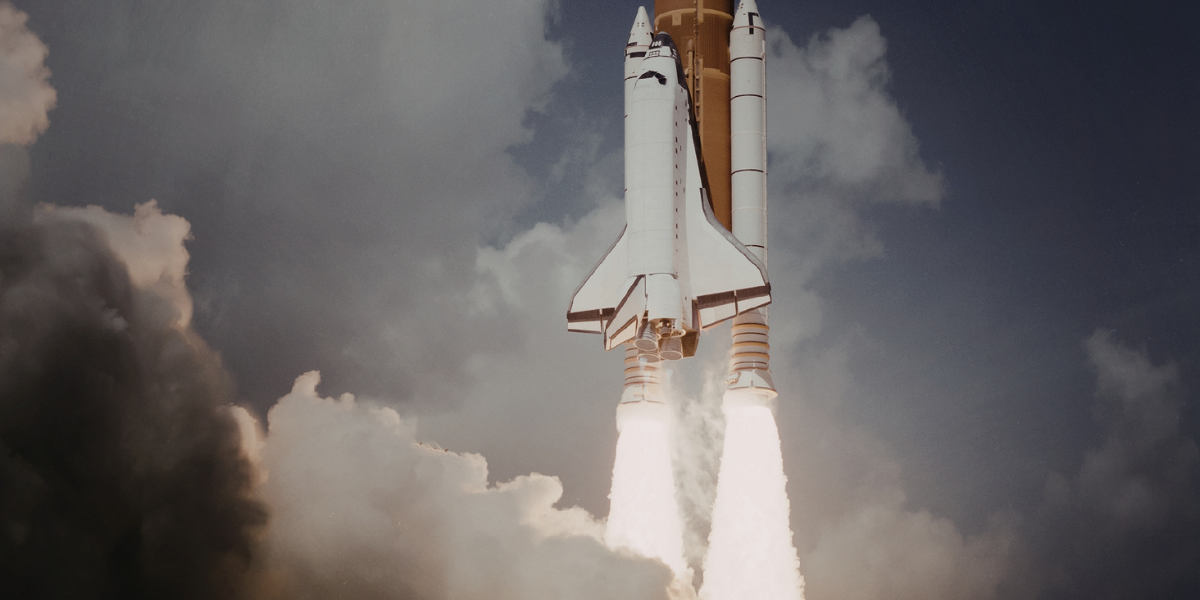
A major U.S. story on April 5, 2026, is unfolding far above Earth, where NASA’s Artemis II mission is carrying astronauts toward the moon on the first crewed lunar voyage in more than half a century. After launching from Kennedy Space Center in Florida on April 1, the mission has now moved into one of its most significant phases, with the Orion spacecraft pressing deeper into space and setting up a historic flyby that marks a new chapter in American spaceflight.
Artemis II is NASA’s first crewed mission of the Artemis program and the first time humans have traveled beyond Earth orbit toward the moon since Apollo 17 in 1972. The four-person crew includes NASA astronauts Reid Wiseman, Victor Glover, and Christina Koch, along with Canadian astronaut Jeremy Hansen. The flight is designed as a 10-day test mission, focused on validating Orion’s systems, life-support capabilities, and operational procedures before future missions attempt a lunar landing.
What makes April 5 especially notable is that the mission is no longer simply a launch story. It has become an in-flight milestone. The spacecraft is advancing toward the moon and approaching record-setting distance from Earth, with the crew on track to travel farther than previous deep-space missions in decades. That gives the mission immediate historical weight, even before Orion completes its flyby and returns home.
The mission also carries symbolic significance. Artemis II includes the first woman, the first Black astronaut, and the first non-American to travel on a lunar mission. That diversity reflects a broader effort by NASA to present lunar exploration as a modern, international undertaking rather than a replay of the Apollo era. It highlights how space exploration has evolved to include a wider range of participants and perspectives, aligning with global collaboration in science and technology.
From a scientific and operational standpoint, Artemis II is a high-stakes demonstration. NASA is using the mission to prove that Orion can safely carry astronauts on a deep-space trajectory, support them for days away from Earth, and then bring them back through a fast reentry and splashdown in the Pacific. The mission serves as a critical bridge between earlier uncrewed testing and future crewed lunar landings planned later in the decade.
Like many ambitious space missions, Artemis II has also shown that even historic flights are shaped by practical challenges. During this phase of the mission, the crew encountered a minor issue involving the spacecraft’s waste management system, believed to be linked to ice affecting part of the disposal line. NASA indicated that astronauts were trained for such contingencies and were able to implement backup procedures while continuing the mission safely. The issue did not pose a threat to the crew but underscores the importance of testing systems in real conditions.
That is one reason Artemis II matters beyond its headline appeal. It is not just about sending people near the moon again. It is about identifying what still needs refinement before astronauts attempt more complex missions, including landing on the lunar surface. Every system tested, and every challenge addressed during this mission contributes to improving safety and reliability for future exploration efforts.
The broader public impact is also significant. Artemis II has reignited widespread interest in space exploration, drawing attention from audiences across the United States and beyond. The mission reflects renewed momentum in human spaceflight and reinforces the role of scientific innovation in shaping the future.
The key takeaway for readers is that April 5, 2026, represents more than a routine day in space exploration. It marks a moment when NASA’s lunar return effort is actively proving its capabilities in real time. Artemis II has transitioned from planning to execution, demonstrating both the ambition and the complexity of sending humans back into deep space. If the mission continues successfully, it will stand as a defining step in America’s path toward a sustained presence on the moon and future exploration beyond.