

Autumn Storm Brings Heavy Rain and Flooding Concerns to Los Angeles and Southern California
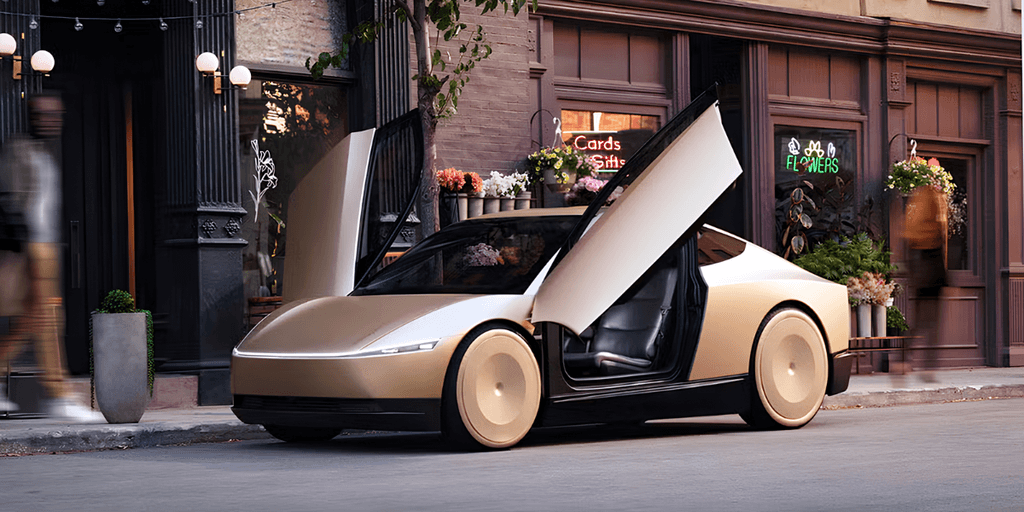
Tesla’s third-quarter results show a company balancing pressure on its core vehicle business with ambitious plans for autonomous transportation and robotics.
Tesla reported that its revenue remained broadly flat in the third quarter, as the electric-vehicle manufacturer continued investing in artificial intelligence, autonomous driving and humanoid robotics. The results placed renewed attention on how the company intends to balance its established vehicle business with technologies that could eventually reshape its revenue model.
The company’s latest developments included the launch of robotaxi service and progress toward producing humanoid robots. At the same time, investors were examining the cost of Tesla’s expanding AI ambitions and whether those investments could produce sustainable returns.
The results illustrate a challenge facing companies that are attempting to transform themselves while maintaining established businesses. Tesla must continue selling vehicles in a competitive market while funding projects that require significant engineering, computing infrastructure and long-term development.
Core Vehicle Business Faces Scrutiny
Tesla’s vehicle operations remain central to its business, but the electric-vehicle market has become increasingly competitive. Automakers are investing in battery technology, software, manufacturing efficiency and new models, while customers compare prices, driving range, charging access and features.
Flat revenue suggests that growth in the company’s overall sales was limited during the quarter. Revenue alone, however, does not reveal every factor affecting performance. Vehicle deliveries, pricing, product mix, operating expenses and revenue from other activities can all influence a company’s financial results.
Tesla’s position is also shaped by its efforts to expand beyond conventional vehicle sales. The company has argued that autonomous transportation and robotics could eventually become significant parts of its business. Those opportunities remain dependent on technical performance, customer adoption, regulatory requirements and the cost of delivering the services at scale.
For investors, the central issue is how quickly newer businesses can contribute meaningful revenue relative to the resources required to develop them.
Robotaxi Service Moves Into the Spotlight
Tesla’s robotaxi ambitions are designed to use autonomous-driving technology to provide transportation services. The model could change how the company earns revenue if it can operate vehicles safely and economically without relying on a human driver for every trip.
However, autonomous transportation presents challenges beyond vehicle engineering. A commercially viable service must operate reliably in different road conditions, handle unusual situations, maintain vehicles and meet local rules governing passenger transportation.
Safety is particularly important because autonomous systems must respond to pedestrians, cyclists, construction zones, emergency vehicles and other unpredictable road users. Performance in limited operating conditions does not automatically establish readiness for broad deployment.
A robotaxi business would also face practical questions about vehicle utilization, charging, cleaning, maintenance, customer support and insurance. Even if the technology performs well, the company must show that the cost of operating the fleet can support an economically sustainable service.
The launch therefore represents a step in Tesla’s effort to expand autonomous transportation, but it does not by itself establish how quickly the business can grow or how much revenue it will ultimately generate.
Humanoid Robots Add Another Long-Term Bet
Tesla has also been developing humanoid robots intended for tasks in industrial and other working environments. The company’s plans include moving toward production, positioning robotics as another potential application of its AI and manufacturing capabilities.
Humanoid robots could eventually assist with repetitive or physically demanding tasks, but turning prototypes into reliable commercial products is difficult. Robots must navigate physical environments, manipulate objects, respond to changing conditions and operate safely around people.
Manufacturing them at scale introduces additional challenges involving component supply, quality control, maintenance and cost. Customers will also need a clear reason to adopt the technology, particularly when specialized industrial robots may already perform particular tasks efficiently.
For Tesla, the opportunity is to apply experience in batteries, motors, software and manufacturing to a new product category. The commercial outcome will depend on whether those capabilities translate into robots that perform useful work reliably at a competitive price.
AI Spending and Investor Expectations
The expansion into robotaxis and robotics requires substantial investment in software development, computing capacity, testing and manufacturing. These expenses can increase pressure on near-term financial results even if management believes they are necessary for future growth.
Investors are increasingly evaluating whether large AI investments can generate measurable returns. That scrutiny extends across the technology sector, where companies are committing significant resources to data centers, specialized chips, software development and new AI products.
For Tesla, the challenge is to demonstrate that investment in autonomous systems and robotics can eventually create durable business value. Revenue growth, operating performance, product milestones and the pace of customer adoption will all influence how investors assess progress.
The company's financial position also affects its flexibility. A business with strong cash generation has more capacity to fund ambitious projects, while weaker performance in its established operations can make spending decisions more difficult.
A Transition Still in Progress
Tesla’s third-quarter performance reflects a company pursuing multiple technological opportunities while facing competitive pressure in its core market. Flat revenue places greater importance on the execution of its longer-term plans, but the success of those plans remains uncertain.
Robotaxis could create a recurring transportation business if autonomous operations prove safe, reliable and economical. Humanoid robots could open another market if they can perform practical tasks at a cost that customers are willing to pay. Both opportunities, however, require continued development and evidence of commercial demand.
The broader significance extends beyond Tesla. Automakers are increasingly competing in software, automation and AI as well as vehicle manufacturing. Those investments may change how cars are designed, how transportation services operate and how industrial work is performed.
For now, Tesla’s results underscore the tension between current business performance and future ambitions. The company’s ability to turn AI research and robotics development into reliable products and profitable services will be central to determining whether its strategy can support a new phase of growth.

Good Morning US Contributor
Covers health, consumer technology, and entertainment, tracking the stories driving the daily conversation.
This article features partner, contributor, or branded content from a third party. Members of the Good Morning US editorial staff were not involved in the creation of this content. All views and opinions are those of the contributor alone.
You May Also Like

How ORYN Quest Uses AI to Help Parents Discover Kids’ Activities and Support Their Growth

Kranay Academy Is Taking the Guesswork Out of Scholarships With 3 FREE Personalized Matches

Chris Gibson: America's Holistic Esthetician

Denise Janette Bruneau Writes Hope Into Love

Beyond Hormones: What Science Is Revealing About Botanicals and Women's Midlife Health