
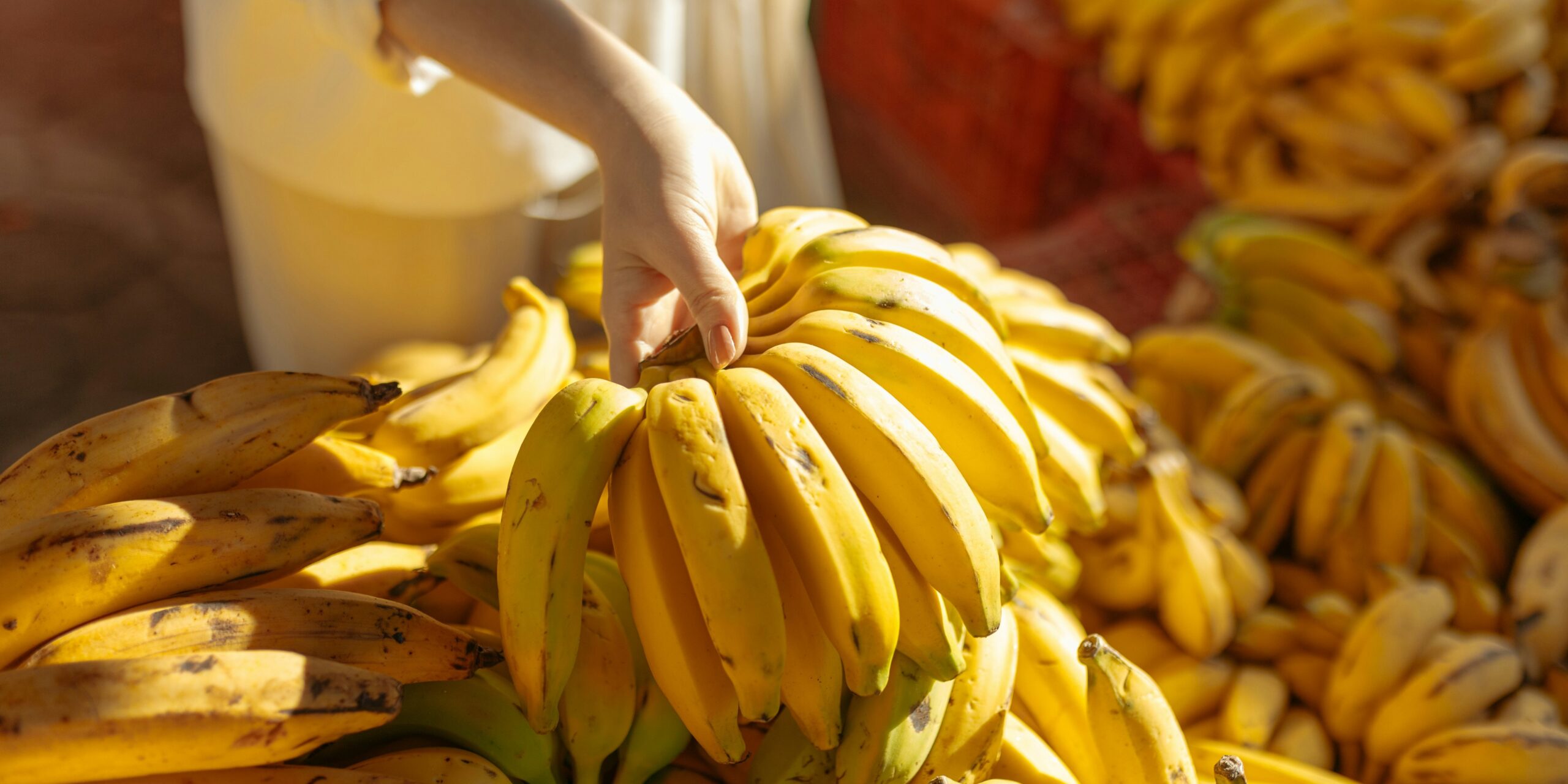
Recent research from UC Davis has uncovered a surprising discovery: adding a banana to your smoothie might significantly reduce the absorption of flavanols, which are powerful compounds known for their positive effects on heart and brain health. Flavanols, found in a variety of fruits and vegetables, have been linked to improved cardiovascular function and cognitive performance. However, the addition of a banana could interfere with the smoothie’s potential health benefits.
The issue stems from polyphenol oxidase (PPO), an enzyme found in high concentrations in bananas. PPO plays a key role in the degradation of flavanols, ultimately reducing their bioavailability. This enzyme, which is typically responsible for browning fruits, can also break down the flavanols present in other ingredients when blended into a smoothie, making them less effective in delivering their intended health benefits.
This new finding raises questions about the best combinations of ingredients for those seeking to maximize the health potential of their smoothies. While bananas are undeniably a nutritious fruit, offering essential vitamins and minerals like potassium and vitamin C, their potential to interfere with the absorption of flavanols suggests that they might not always be the best choice when aiming to boost heart and brain health.
It is important to note that while this discovery could affect the smoothie’s flavanol content, bananas still offer a variety of other nutritional benefits, such as promoting digestive health and providing an energy boost due to their natural sugars. Therefore, this research does not suggest that bananas should be avoided altogether, but rather that they may need to be paired with other ingredients more carefully, depending on one’s health goals.
For smoothie enthusiasts focused on heart and brain health, the study suggests considering alternatives to bananas, such as berries or apples, which do not contain high levels of PPO and may better preserve the benefits of flavanols. As the understanding of food interactions continues to evolve, this discovery serves as a reminder of the complexities of nutrition and the importance of choosing the right ingredients to achieve optimal health outcomes.