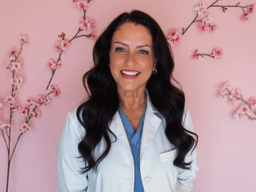

Dr. Gemaine Owen Wants To Put Practical Caregiving Knowledge Into Every Family’s Hands
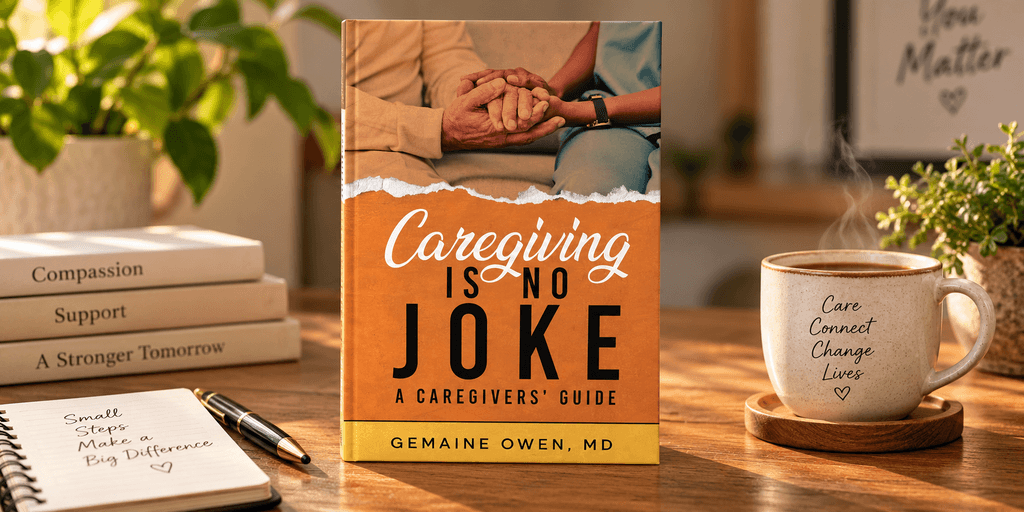
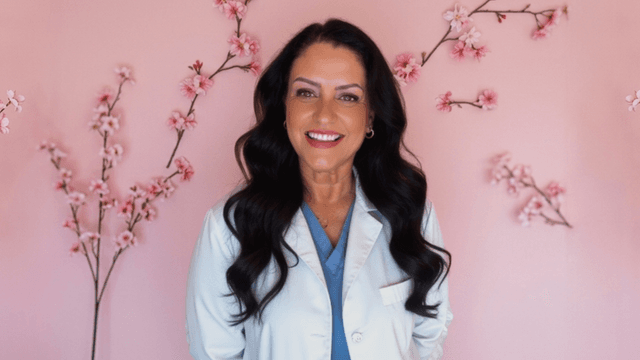
Dr. Gemaine Owen is bringing practical caregiving knowledge from the medical world into the homes of everyday families.
A family member comes home from the hospital, and suddenly the house looks different. The bathroom may present a safety concern. Medications need organizing. Important paperwork must be found. Someone has to understand what the doctor said, recognize changes in a loved one’s condition, prepare meals, arrange appointments, and somehow keep everyday life moving.
For millions of ordinary people, becoming a caregiver does not begin with training. It begins with responsibility.
That reality is at the heart of Dr. Gemaine Owen’s mission and her book, Caregiving Is No Joke. Dr. Owen, a physician who has spent years seeing patients in their homes, wants practical caregiving information to move beyond medical offices and professional circles. She wants it where she believes it can have an immediate impact: in the hands of everyday people caring for someone they love.
“My book has to get into the hands of the layperson,” Dr. Owen says.
It is a simple statement, but it captures a significant gap in caregiving. Families may receive instructions from doctors, nurses, therapists, social workers, and other professionals, yet the caregiver is often the person responsible for connecting all those pieces at home.
Dr. Gemaine Owen Brings The Doctor’s Perspective Home
Dr. Owen’s experience with patient care across the hospital setting, private practice, public health, and home visits has uniquely prepared her to bring professional medical expertise into the everyday realities of caregiving.
Home visits, in particular, gave Dr. Owen a perspective on what happens after a traditional medical appointment ends.
Inside a home, healthcare becomes practical. A recommendation that sounds straightforward in an office may be difficult to carry out in a crowded bedroom. Mobility problems can turn an ordinary bathroom into a challenge. A medication schedule that makes sense on paper can become confusing when several prescriptions are involved.
Then Dr. Owen experienced caregiving personally.
Dr. Owen has publicly explained that caring for a loved one made her feel that she was not doing the job as well as she wanted. That experience inspired the phrase that eventually became her book title: Caregiving Is No Joke.
Her experience helped transform years of professional knowledge into something more personal. The question was no longer only what healthcare professionals know. It became what families need to know when they are the ones responsible for care.
A Caregiving Guide Built For Real Life
That distinction shapes Caregiving Is No Joke. Rather than assuming readers have a medical background, the book addresses practical concerns that can emerge when caring for an older adult, a person with dementia, someone with cancer, or another loved one who needs substantial assistance.
An independent 2026 review of the 110 page book noted that it discusses caregiving for older parents and people experiencing dementia, cancer, or stroke. The review also highlighted topics including medication preparation, finances, medical insurance, pressure sores, caregiver health, and end of life considerations.
Dr. Owen also places attention on the environment in which caregiving happens. Her recommendations include considerations for setting up the home and improving safety, as well as preparing important paperwork before families find themselves trying to make decisions during stressful moments.
The goal is not to turn relatives into doctors. It is to help caregivers become better prepared participants in the care of someone they love.
That makes accessibility central to Dr. Owen’s message. A resource can contain excellent information, but its value is limited when the people who need that information never encounter it.
Why Preparation Matters Before A Family Feels Ready
Caregiving can require families to make many decisions at the same time. What needs to change inside the home? Which documents should be organized? How should responsibilities be divided? What should relatives expect when dementia changes a loved one’s behavior or communication?
These questions become harder when families are already exhausted.
Dr. Owen’s approach encourages caregivers to think about these issues as part of preparation rather than waiting until each new problem becomes a crisis. At the same time, she brings empathy to the discussion because she understands that knowing what should be done and actually doing it are very different experiences.
That combination of professional and personal experience has become one of the defining qualities of Dr. Owen’s work.
Her caregiving guide received Best of Best Review’s Best Caregiving Guide in the U.S. of 2026 recognition. The organization cited Dr. Owen’s experience as a house call physician and her personal understanding of caregiving when announcing the award.
Still, recognition is not Dr. Owen’s final objective. Reach is.
She wants information to travel beyond readers who already know to search for a caregiving book. She wants families approaching caregiving for the first time to have a resource that can help them understand the responsibilities ahead.
From Caregiving To Navigating A Cancer Diagnosis
That same desire to make complicated information easier to approach also appears in Dr. Owen’s work related to cancer. Her official website identifies her as the author of Doc, What Would You Do in My Shoes?, which she describes as a cancer care roadmap. Her site also lists discussions for cancer diagnosis support groups among her educational activities.
Dr. Owen says the cancer book has already helped some readers, but she wants it to reach many more people.
That ambition reflects the larger idea connecting her work. Medical knowledge is most useful when patients and families can understand it, discuss it with their healthcare professionals, and use it to ask informed questions.
For someone confronting caregiving or a serious diagnosis for the first time, even knowing which questions to ask can provide a clearer starting point.
Putting Useful Knowledge Where Families Can Find It
Dr. Owen’s work ultimately makes a case for something straightforward: families should not have to become experts before they can begin understanding the responsibilities placed before them.
They need information written for the kitchen table, the family meeting, and the difficult conversation with a loved one. They need explanations that recognize both the practical demands and the emotional reality of caregiving.
That is the audience Dr. Owen is determined to reach.
For families preparing to care for a loved one, Caregiving Is No Joke offers a starting point for understanding home preparation, caregiver responsibilities, dementia care, important documents, and personal well being. Readers can learn more about Dr. Gemaine Owen, her caregiving resources, and her cancer care roadmap through Dr. Gemaine Owen’s official website.
For ongoing caregiving education, practical insights, and encouragement, readers can also follow Dr. Owen on TikTok and connect with Dr. Owen on Pinterest. Her broader message is worth considering before caregiving begins: useful knowledge has the greatest value when it reaches people early enough to put it to work.

Good Morning US Contributor
Covers health, consumer technology, and entertainment, tracking the stories driving the daily conversation.
This article features partner, contributor, or branded content from a third party. Members of the Good Morning US editorial staff were not involved in the creation of this content. All views and opinions are those of the contributor alone.
You May Also Like
Catherine Gibson Writes Children’s Books Parents And Grandparents Can Feel Good About
The Transformation Behind Palm Beach Body Sculpting

Federal Health Researchers Launch New AI Program to Improve Intensive Care

U.S. Proposes AI Incident Notification System in Talks With China

Measles Case Reported in Minnesota as U.S. Cases Continue to Require Public Health Attention