

GLP-1 Drugs Show Promise in Reducing Addictive Behaviors
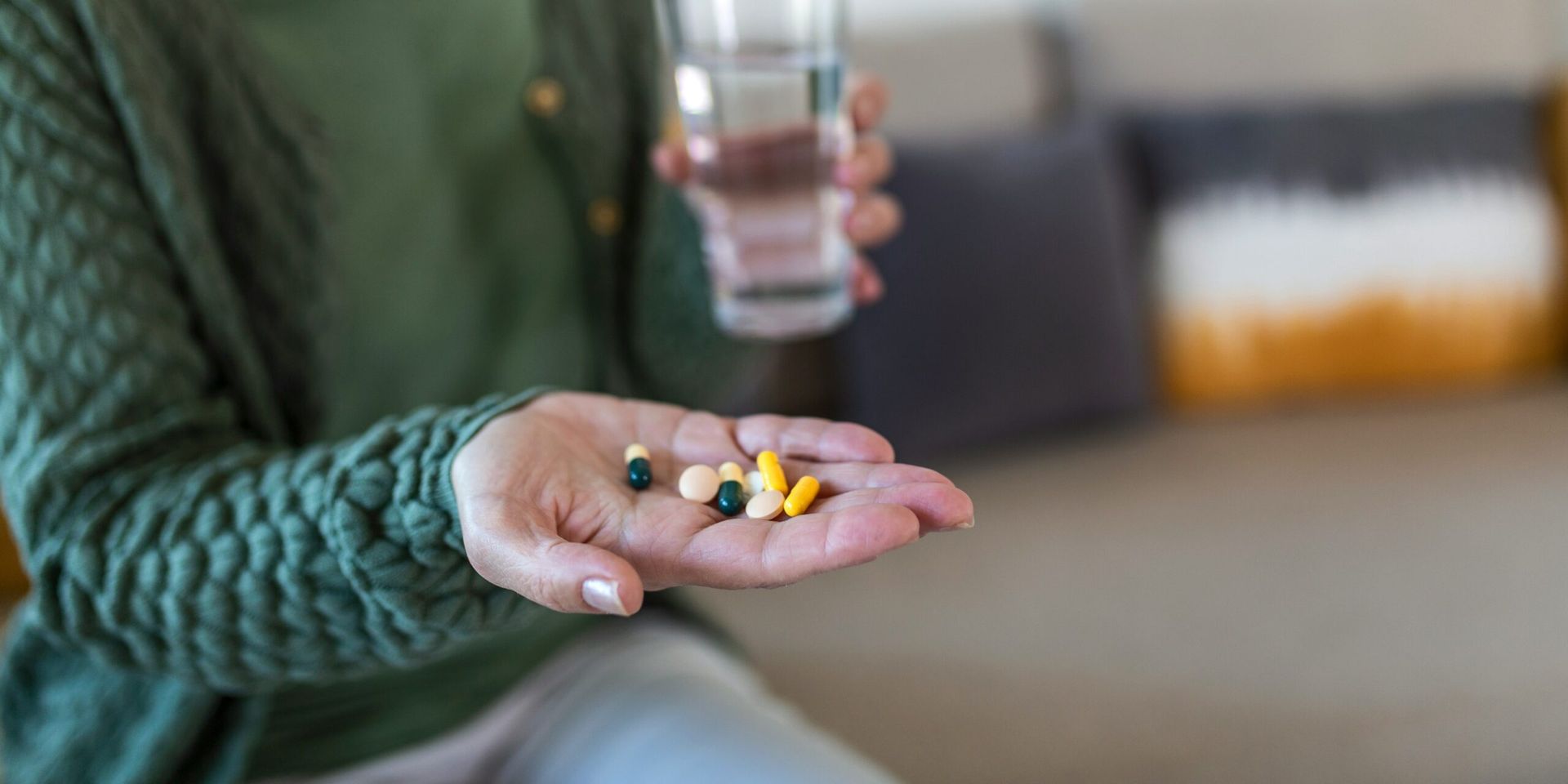
On October 26, 2025, a groundbreaking study revealed that GLP-1 drugs, initially developed to manage diabetes and obesity, may offer a new avenue for combating addictive behaviors. The research suggests that these medications could have a significant impact on addiction, potentially helping individuals reduce their intake of alcohol, their seeking of opioids, and their use of nicotine.
GLP-1, or glucagon-like peptide-1, drugs work by influencing the body’s metabolic processes, helping to regulate blood sugar levels and reduce hunger. However, recent studies have shown that these drugs may also act on the brain’s reward circuits, which are crucial in the development and maintenance of addictive behaviors. By affecting these neural pathways, GLP-1 drugs seem to reduce the desire to engage in activities associated with addiction, such as alcohol consumption or the use of tobacco and opioids.
In the early trials, participants showed promising results, with significant reductions in their consumption of alcohol and tobacco and lessening of their cravings for opioids. This finding opens up the possibility of a new treatment option for individuals struggling with substance abuse disorders, especially those who have been resistant to traditional methods like therapy and rehabilitation programs.
Despite the encouraging results, experts caution that these findings are still in the early stages. Further research is needed to confirm the efficacy of GLP-1 drugs in treating addiction and to explore their long-term effects. Addiction is a complex condition that involves multiple factors, including genetics, environment, and psychological influences, and while these drugs show promise, they should not be seen as a standalone solution.
Additionally, scientists are keen to learn more about the potential side effects and risks of long-term use of GLP-1 drugs. While they are generally considered safe for managing diabetes and obesity, their effects on addiction and behavior are still being studied.
As this area of research progresses, GLP-1 drugs could offer a novel therapeutic approach to addiction, providing hope for those struggling with various forms of substance abuse. However, as with all new treatments, ongoing research will be crucial to fully understand their potential and limitations.

Good Morning US Contributor
Covers health, consumer technology, and entertainment, tracking the stories driving the daily conversation.
This article features partner, contributor, or branded content from a third party. Members of the Good Morning US editorial staff were not involved in the creation of this content. All views and opinions are those of the contributor alone.
You May Also Like

Beyond Hormones: What Science Is Revealing About Botanicals and Women's Midlife Health

Troy Allen Is Building a Psychedelic Business Around Trust

Turning Your Life Savings Into a Retirement Plan

Water Guys Reveals The Hidden Costs Of Hard Water For Homeowners In Eastern Washington And North Idaho
Scientists and Technology Companies Commit $1.8 Billion to AI-Based Biology Research