
Great California ShakeOut Highlights Science Behind Earthquake Preparedness
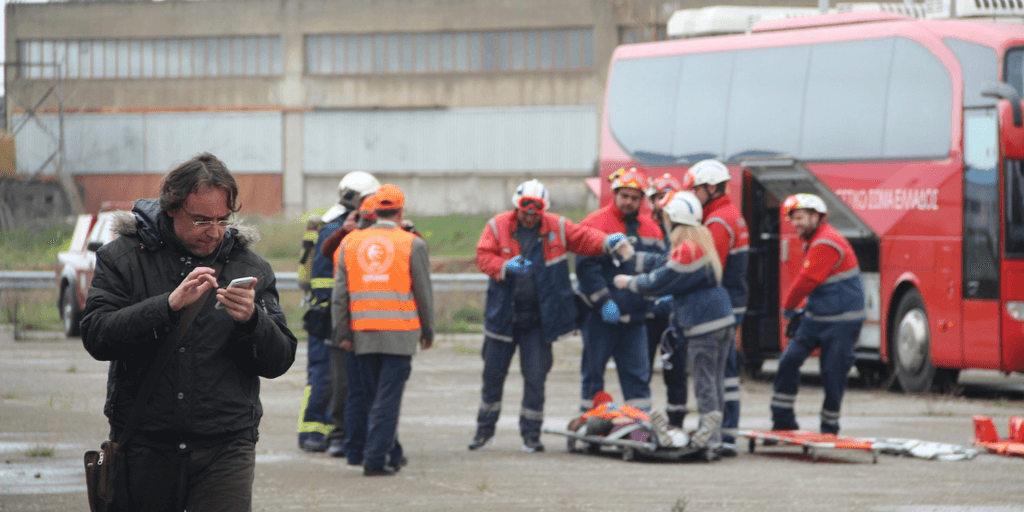
Scientists and emergency officials joined a Los Angeles school event to demonstrate practical steps that can reduce risks during an earthquake.
Science Meets Emergency Preparedness
Scientists, educators and emergency management officials gathered at Fremont High School in Los Angeles for a major Great California ShakeOut event, demonstrating how earthquake science can inform practical safety measures.
The event was organized with the Earthquake Country Alliance and the Los Angeles Unified School District, with participation from the American Red Cross Los Angeles Region. Organizers expected more than 10 million Californians to participate in the statewide preparedness exercise.
Activities included a campus-wide earthquake drill, a student evacuation exercise, preparedness exhibits and a demonstration using an earthquake simulator. The program aimed to help students and the wider public understand what to do before, during and after an earthquake.
Earthquake preparedness relies on scientific understanding of ground motion, building response and human behavior during emergencies. Although researchers can identify active faults and estimate long-term seismic hazards, they cannot reliably predict the exact time and location of a future earthquake.
That uncertainty makes preparation an important part of reducing risk.
Why Earthquakes Create Different Hazards
An earthquake begins when stress accumulated in the Earth's crust is released along a fault, generating seismic waves that travel through the ground. The resulting shaking can affect buildings and infrastructure over a wide area.
The intensity experienced at a particular location depends on several factors, including the earthquake’s magnitude, depth, distance from the source, local ground conditions and the characteristics of nearby structures.
Buildings respond differently to shaking depending on their design, construction materials, age and maintenance. Poorly secured objects can fall, while structural damage may affect walls, foundations and other components.
Secondary hazards can include broken glass, fires, damaged utilities and blocked roads. Even when a building remains standing, falling objects and damaged equipment can create serious risks for occupants.
Preparedness drills help people focus on actions that can reduce immediate exposure to these hazards.
The Importance of Drop, Cover and Hold On
One of the central safety messages reinforced during earthquake drills is to drop, cover and hold on.
People are generally advised to drop to their hands and knees, cover their head and neck, take shelter beneath sturdy furniture when possible and hold on until shaking stops. If suitable furniture is unavailable, individuals should protect their head and neck while staying away from windows and objects that could fall.
Attempting to run through a building during strong shaking can expose people to falling debris and broken glass. Moving outside is not necessarily safer while the ground is shaking, particularly near exterior walls and overhead structures.
People outdoors should move away from buildings, power lines and other hazards where possible. Drivers should pull over safely and remain inside the vehicle until shaking stops, avoiding bridges and overhead structures where practical.
The appropriate response depends on circumstances, which is why drills and public education are useful.
Schools as Preparedness Laboratories
Schools provide an environment in which preparedness procedures can be rehearsed and evaluated. Students and staff can practice protective actions, test communication systems and identify problems with evacuation routes or emergency responsibilities.
The Los Angeles event included an evacuation exercise and demonstrations designed to make preparedness tangible. Such activities can help participants understand the difference between knowing a safety recommendation and being able to follow it under pressure.
Schools must also plan for the aftermath of shaking. Staff may need to account for students, assess injuries, communicate with families and respond to disruptions affecting transportation or utilities.
Preparedness plans should reflect the needs of the people using a building, including students or staff who may require assistance during evacuation or reunification.
From Individual Readiness to Community Resilience
Earthquake safety is not solely a matter of personal behavior. Building codes, structural assessments, emergency services and resilient infrastructure all contribute to reducing potential harm.
Households can improve readiness by securing heavy furniture, keeping emergency supplies available and establishing communication plans. Businesses can identify emergency responsibilities, protect equipment and plan for temporary interruptions.
Public agencies contribute through hazard mapping, public information and emergency response planning. Scientific research also helps improve understanding of seismic hazards and the performance of buildings and infrastructure.
No single measure eliminates earthquake risk. However, combining scientific knowledge with preparation can reduce preventable injuries and help communities respond more effectively.
Why the Annual Exercise Matters
The Great California ShakeOut offers a recurring opportunity for schools, households and organizations to practice earthquake safety. The Los Angeles event demonstrated how scientific information can be translated into actions that people can rehearse before an emergency.
For communities in seismically active areas, preparedness remains important precisely because the timing of the next major earthquake cannot be known with certainty.
The exercise at Fremont High School brought together research, education and emergency planning in a practical demonstration. Its broader message was that understanding earthquakes is valuable, but preparation determines how effectively that knowledge is used when the ground begins to shake.

Good Morning US Contributor
Covers world affairs and science, connecting research and foreign policy to the readers they affect.
This article features partner, contributor, or branded content from a third party. Members of the Good Morning US editorial staff were not involved in the creation of this content. All views and opinions are those of the contributor alone.
You May Also Like

Chris Gibson: America's Holistic Esthetician
Denise Janette Bruneau Writes Hope Into Love

Beyond Hormones: What Science Is Revealing About Botanicals and Women's Midlife Health
Troy Allen Is Building a Psychedelic Business Around Trust
Turning Your Life Savings Into a Retirement Plan