
Hurricane Marie Sends Rain and Dangerous Surf Into Southern California
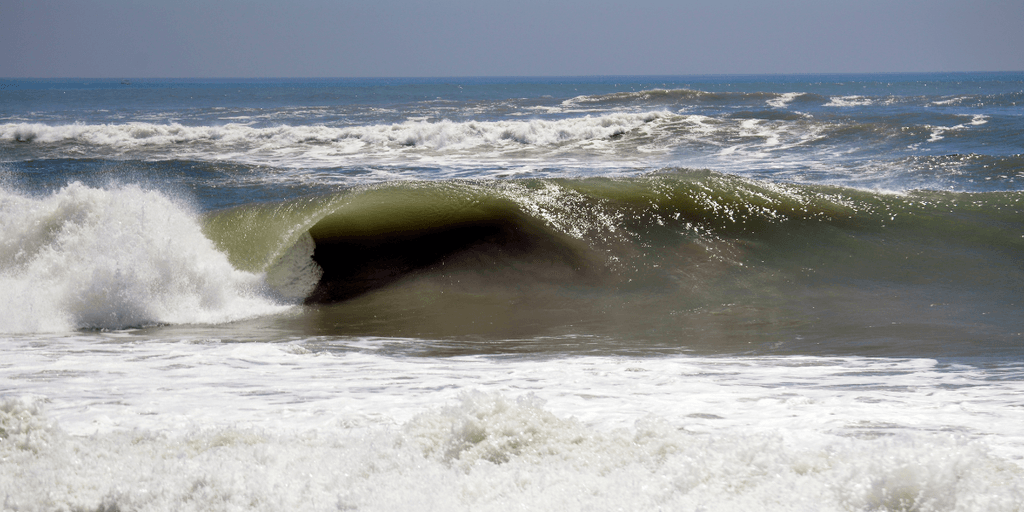
Hurricane Marie brought an unusual combination of tropical moisture, rainfall and dangerous ocean conditions to Southern California on Sunday, demonstrating how a tropical cyclone can affect the United States even when its center remains far offshore.
Marie remained over the Pacific rather than making landfall in California. Its outer effects nevertheless reached Los Angeles County and other parts of Southern California, where forecasters reported rainfall, elevated surf and an increased risk of rip currents.
The event drew attention because September weather in Southern California is typically associated with heat and relatively dry conditions rather than tropical-influenced rain.
Rainfall Spreads Across the Region
The National Weather Service forecast roughly a quarter-inch to an inch of rain across much of Los Angeles County, with higher totals possible in mountain areas. Localized thunderstorms were also possible, although forecasters placed the probability of those events at relatively low levels.
Parts of the region experienced periods of intense rainfall over short intervals. Such bursts can create localized flooding even when overall rainfall totals are not exceptionally high.
The storm also raised concerns in areas affected by recent wildfires. Burn scars can leave hillsides more vulnerable to runoff and debris flows because vegetation and soil structure have been altered by fire.
The Ocean Presented the Larger Immediate Hazard
While rainfall affected communities inland, dangerous surf remained a major concern along the coastline.
Waves reached as high as 10 feet at some beaches, while strong rip currents created conditions that could quickly become dangerous for swimmers and surfers. The National Weather Service urged people to exercise caution around the ocean and avoid entering hazardous water.
Authorities in several coastal communities took practical measures in response. Seal Beach closed beach parking lots because of elevated surf and coastal flooding conditions, while other communities increased attention to beach safety.
The impacts showed how tropical storms can produce meaningful hazards without the direct wind and rainfall associated with a landfall.
Why a Distant Hurricane Can Affect California
Tropical cyclones influence their surroundings through much more than the strongest winds near the center.
A large storm can generate ocean swells that travel considerable distances. Atmospheric moisture associated with the system can also reach areas far from the storm's center, increasing the potential for rain.
Marie provided an example of both processes. Its core remained offshore, but its interaction with the Pacific atmosphere and ocean produced weather effects along the Southern California coastline.
That distinction is important when assessing tropical storm risks. A location does not necessarily need to experience a direct landfall to face flooding, surf, rip currents or heavy rain.
Conditions Expected to Change
The storm was weakening and expected to move away from the region. Southern California was also expected to return quickly toward warmer conditions, with temperatures forecast to rise into the mid-90s in parts of the Los Angeles area later in the week.
That rapid transition illustrates the region's highly variable weather environment.
For residents, the event combined several hazards that normally receive separate attention: rainfall, coastal flooding, large waves and rip currents. Emergency agencies continued monitoring those conditions as the storm weakened.
Marie ultimately remained a Pacific storm rather than a California landfall, but its effects provided a useful demonstration of how large-scale atmospheric and oceanic systems can influence communities hundreds of miles from the storm center.

Good Morning US Contributor
Covers world affairs and science, connecting research and foreign policy to the readers they affect.
This article features partner, contributor, or branded content from a third party. Members of the Good Morning US editorial staff were not involved in the creation of this content. All views and opinions are those of the contributor alone.
You May Also Like

Turning Your Life Savings Into a Retirement Plan
Water Guys Reveals The Hidden Costs Of Hard Water For Homeowners In Eastern Washington And North Idaho

Scientists and Technology Companies Commit $1.8 Billion to AI-Based Biology Research

Kully Bath: A Voice for the Unseen

Diana Sussman Unveils The Texter’s Secret, Her Latest Maddie Mystery