
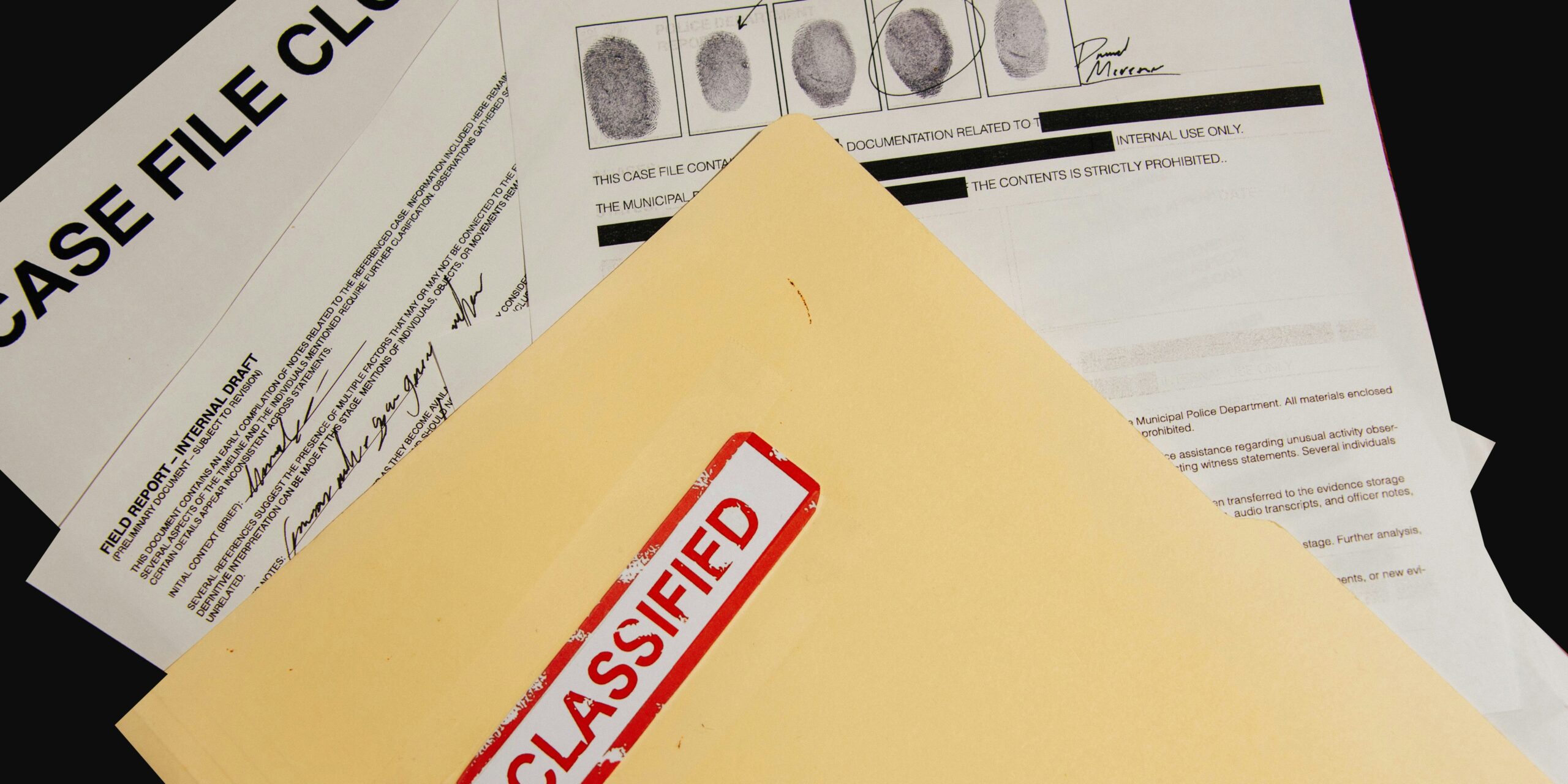
The U.S. Department of Justice made public more than 11,000 files related to the long-standing investigation into disgraced financier Jeffrey Epstein, marking the largest single release of documents to date. The disclosure is part of the federal government’s broader effort to comply with the Epstein Files Transparency Act, a recently enacted law requiring the systematic publication of all non-classified materials tied to the Epstein case.
This release includes travel records, correspondence, photographs, court filings, financial documents, and investigative materials, providing the most comprehensive public view yet of Epstein’s activities, connections, and the government’s investigative efforts. Justice Department officials have emphasized that this latest tranche of documents was carefully reviewed and redacted to protect ongoing investigations and the privacy of survivors.
The newly released materials include detailed travel logs and emails that reference prominent political, business, and entertainment figures, many of whom had previously been speculated to have ties to Epstein. While inclusion in the documents does not indicate criminal involvement, the presence of high-profile names has reignited debate about the depth and breadth of Epstein’s network.
Federal authorities noted that the decision to release such a vast trove of information reflects a growing demand for transparency. Public interest in the Epstein case has remained high since his 2019 arrest and subsequent death in custody, and lawmakers across party lines have called for full disclosure of all related files. The bipartisan Epstein Files Transparency Act, passed in November, mandated the release and set a timetable for the Justice Department to begin rolling out the documents in stages.
Officials said this December release accounts for a fraction of the total documents slated for disclosure in 2026. The files represent years of investigative work by federal prosecutors, the FBI, and various cooperating agencies. Many contain background materials used to support the prosecution of Epstein’s associates, including Ghislaine Maxwell, who was convicted in 2021 for aiding Epstein in his crimes.
Public reaction to the release has been mixed. Survivors and their advocates have expressed support for the transparency effort, viewing it as a form of acknowledgment for the harms suffered and a step toward greater accountability. However, some legal analysts have voiced concern over the possibility of misinformation or speculation arising from misinterpreted documents, particularly when redacted sections obscure context or intent.
Among the files, several items drew immediate attention from journalists and researchers, including flight manifests listing frequent passengers aboard Epstein’s private jet, emails suggesting coordination of events involving influential figures, and correspondence related to Epstein’s vast real estate holdings. Legal experts cautioned that many of the documents may contain unverified claims or hearsay, and the Justice Department has reiterated that inclusion in the archive does not imply guilt or criminal activity.
Critics of the document release have also raised questions about the thoroughness of the redaction process. Some lawmakers have called for more transparency regarding the criteria used to withhold names and sensitive information. Others have questioned whether all relevant agencies have complied fully with the law’s disclosure requirements.
Despite these concerns, the release is expected to fuel renewed reporting, academic inquiry, and potentially legal action. Advocacy groups are combing through the documents for patterns of institutional failure or negligence by law enforcement, while journalists continue to investigate the extent of Epstein’s influence in elite circles.
As 2025 concludes, the release of the largest batch of Epstein files to date is likely to keep public interest alive well into 2026. With more documents slated for publication in the coming months, scrutiny of Epstein’s legacy, his network, and the governmental response to his crimes remains far from over. The disclosures serve not only as a window into one of the most notorious criminal cases of the 21st century but also as a test of the government’s commitment to transparency and justice.