

NASA Study Finds Some Earth Microbes Could Survive for Weeks or Months on the Moon
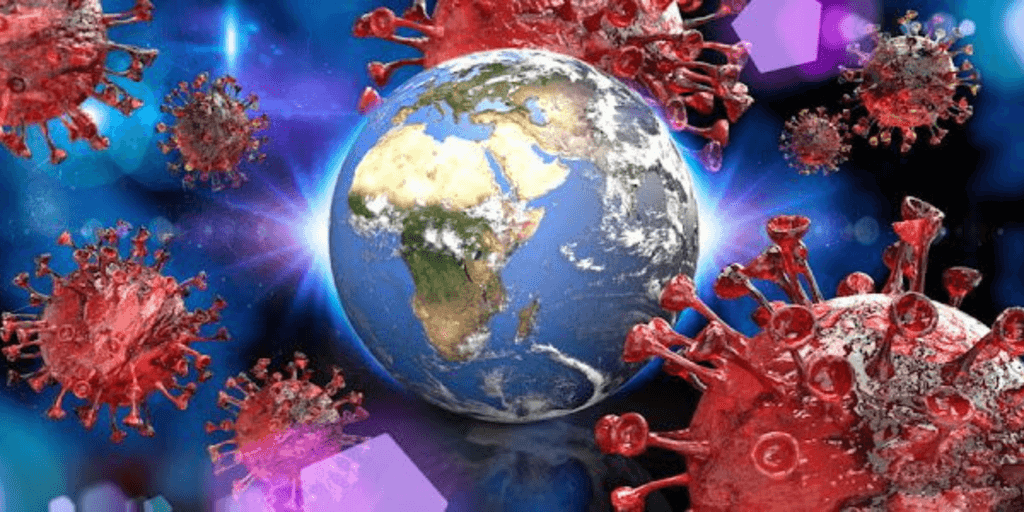
A NASA-led study published this week has found that several types of Earth microbes could potentially survive for weeks or months under certain conditions on the lunar surface, raising new concerns about biological contamination as nations prepare for future human exploration of the Moon.
The research, published in Science Advances, examined five species of fungi and bacteria under simulated environmental conditions corresponding to regions near the lunar South Pole.
The findings do not show that microbes could thrive or reproduce on the Moon. Instead, researchers studied whether individual cells could remain viable under lunar conditions.
The Moon is hostile to Earth life
The lunar surface presents an extremely difficult environment for terrestrial organisms.
There is no breathable atmosphere, temperatures vary dramatically and the surface is exposed to intense ultraviolet radiation and energetic particles.
The research team modeled conditions in three areas near the lunar South Pole: Nobile Rim, Connecting Ridge and de Gerlache Rim. The simulations incorporated environmental information from NASA's Lunar Reconnaissance Orbiter.
The researchers found that some microorganisms could survive for periods ranging from weeks to months under particular combinations of radiation exposure, temperature and location.
Fungi proved especially resilient
The study examined two fungal species and three bacterial species.
Among the organisms tested, Aspergillus niger emerged as the most resilient. The fungus is commonly found in warm and damp environments and has previously been detected aboard the International Space Station.
Researchers also tested species of Fusarium, another group of fungi commonly associated with soil.
The fungi generally showed greater resilience than the bacteria in the simulated lunar environments.
Among the bacteria, Deinococcus radiodurans demonstrated the greatest resistance, while Staphylococcus aureus and Bacillus subtilis were more vulnerable to ultraviolet radiation and other conditions.
Survival is not the same as growth
One of the study's most important qualifications is that researchers examined survival rather than reproduction.
The results do not establish that these organisms could establish a functioning ecosystem on the Moon.
NASA scientists emphasized that the study focused on whether cells could persist under specific environmental conditions.
The distinction is important because surviving for a period of time is substantially different from growing, reproducing or spreading.
The research therefore does not suggest that the Moon could support ordinary terrestrial life in the way Earth does.
Permanently shadowed regions could provide protection
Some lunar locations may offer greater protection from radiation.
The researchers identified potentially survivable niches, including areas within craters that remain permanently shadowed.
Such locations can experience different thermal and radiation conditions from exposed lunar surfaces.
The study indicated that some organisms could potentially survive longer when shielded from direct ultraviolet exposure.
Burial beneath lunar material could provide additional protection from radiation and extreme surface conditions.
Why contamination matters
The research has important implications for future lunar exploration.
Human spacecraft inevitably carry microorganisms because people, equipment and materials are not completely sterile.
If microbes survive after being transported to the lunar surface, they could complicate scientific investigations.
Researchers studying lunar soil or possible organic materials would need to determine whether a biological or chemical signal originated naturally on the Moon or was introduced by human activity.
The issue becomes particularly important as future missions target regions near the lunar poles.
The lunar South Pole is becoming a major destination
The United States and China are developing plans for future human lunar exploration.
NASA's Artemis program is intended to return astronauts to the Moon and eventually establish a more sustained human presence.
The lunar South Pole is particularly important because permanently shadowed regions may contain deposits of water ice.
That makes the region a potential focus for future scientific and exploration activities.
The possibility that Earth microbes could survive in protected lunar environments therefore becomes relevant not only to planetary protection but also to future resource studies.
No evidence of dangerous mutation
The researchers also cautioned against extending the findings beyond what was actually tested.
The study did not examine whether lunar conditions could make the microorganisms more dangerous or cause them to mutate into harmful pathogens.
Its focus was cellular persistence.
That limitation is important because the study provides evidence about survival, not about the creation of new biological threats.
Why the discovery matters
The research provides new evidence that some Earth microorganisms may be more resilient than previously assumed when exposed to particular lunar environments.
That does not mean the Moon is becoming habitable for Earth life.
Instead, the finding highlights a practical problem for future exploration: humans may unintentionally transport life to other worlds.
As lunar missions become more ambitious, scientists will need reliable ways to track biological contamination.
The study therefore adds another consideration to the growing effort to establish long-term human activity on the Moon.
For future missions, keeping track of Earth's microscopic passengers could be almost as important as tracking the astronauts themselves.

Good Morning US Contributor
Covers world affairs and science, connecting research and foreign policy to the readers they affect.
This article features partner, contributor, or branded content from a third party. Members of the Good Morning US editorial staff were not involved in the creation of this content. All views and opinions are those of the contributor alone.
You May Also Like

SunKissed Greenz Expands Its Natural Wellness Mission With More Thoughtful Choices For Pets

The Assurance Network: Insurance With Heart
Money Is Not Your Problem. Your Pattern Is.

Are Kids' Shoes Hurting Growing Feet? Zebs Says Yes

Castaways Bistro Enters a New Chapter in Punta Cana