

Newly Discovered Exoplanet Exhibits Earth-Like Atmosphere, Raising Hopes for Life
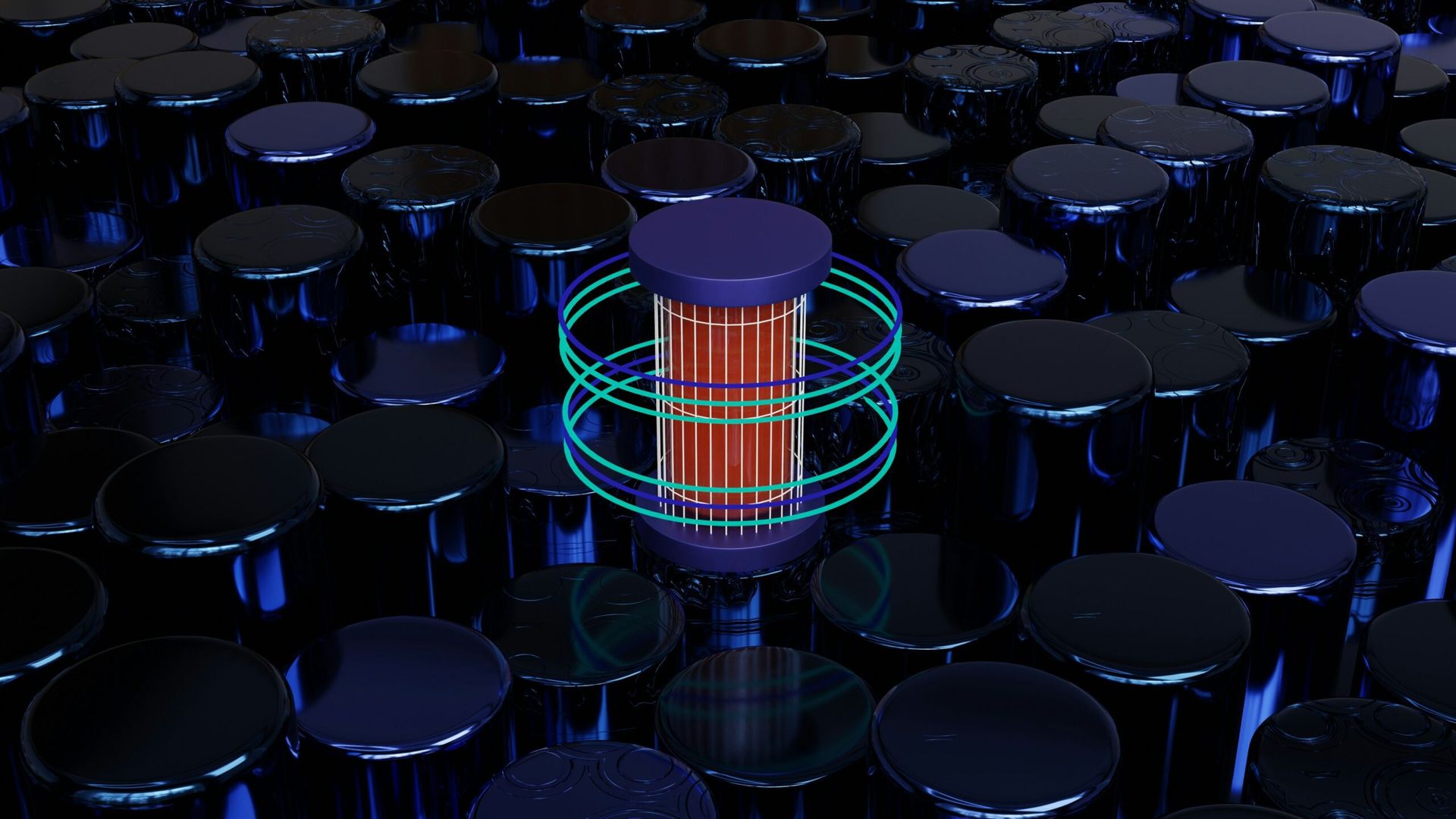
On November 13, 2024, IBM unveiled the world’s largest quantum computer, “IBM Quantum Titan,” at its research facility in Yorktown Heights, New York. This groundbreaking system, boasting 1,121 qubits, has successfully demonstrated superior performance in solving complex optimization problems, marking a new era in computational power and capability.
The IBM Quantum Titan’s development involved years of advancements in quantum hardware and error correction. Led by Dr. Priya Nair, IBM’s Quantum Systems team integrated novel superconducting qubit technology with advanced cryogenic systems to stabilize and control this unprecedentedly large quantum processor.
A key moment during the unveiling was the demonstration of Quantum Titan solving a logistics optimization problem far beyond the reach of today’s classical supercomputers. The system identified the most efficient routing for a fleet of delivery trucks across thousands of locations, illustrating quantum computing’s potential to transform industries such as transportation, finance, and pharmaceuticals.
Dr. Nair highlighted the breakthrough’s significance: “Quantum Titan is a milestone that validates the promise of quantum advantage. While there is still work ahead, this system brings us closer to solving real-world problems that can impact millions of lives.”
The commercial implications are vast. Industries reliant on complex data processing are investing heavily in quantum technologies, hoping to leverage these capabilities for improved decision-making, drug discovery, and cryptography. IBM’s achievement boosts confidence in quantum computing as a practical, scalable technology.
Behind the scenes, developing Quantum Titan required overcoming immense engineering challenges, including mitigating qubit decoherence and designing efficient quantum algorithms. The project combined expertise from physicists, engineers, and computer scientists across multiple countries.
Public reception has been enthusiastic, with widespread media coverage and increased interest in STEM education. IBM plans to expand access to Quantum Titan through cloud platforms, democratizing research opportunities worldwide.
Looking ahead, IBM aims to build even larger quantum systems with enhanced error correction, moving toward fault-tolerant quantum computing capable of revolutionizing science and technology.

Good Morning US Contributor
Covers world affairs and science, connecting research and foreign policy to the readers they affect.
This article features partner, contributor, or branded content from a third party. Members of the Good Morning US editorial staff were not involved in the creation of this content. All views and opinions are those of the contributor alone.
You May Also Like

Castaways Bistro Enters a New Chapter in Punta Cana

When Technology Fails Care: Why Behavioral Health Can No Longer Treat IT as an Afterthought

Christian Clothing Co. Makes Faith Wearable

Lee A. Patterson: The Hope Dealer

Why Our Competitors Field Has Fewer Entries Than Yours