

Northern Lights Expected Across the U.S. as Solar Activity Intensifies
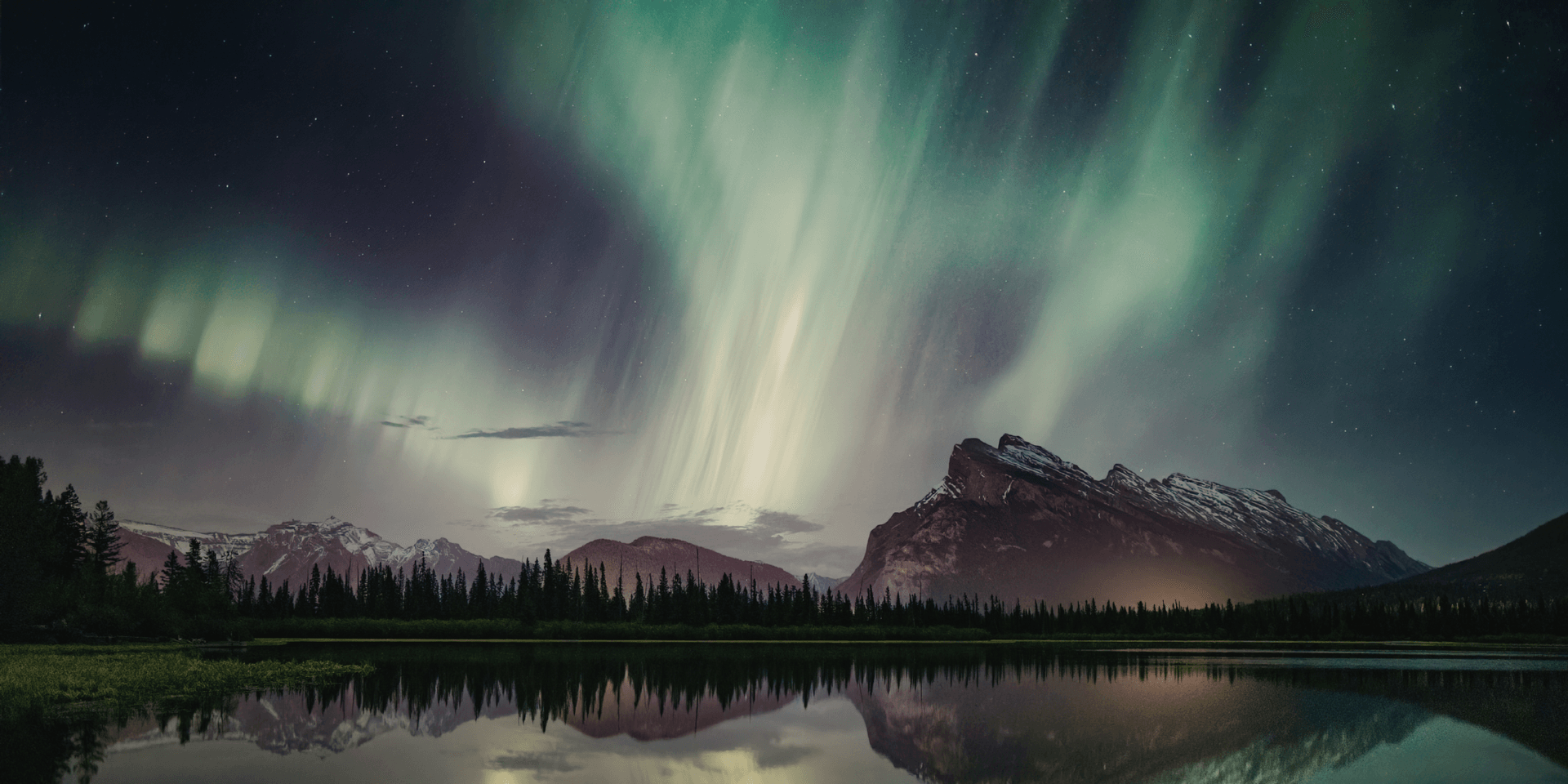
A surge in solar activity is expected to produce a rare and widespread display of the northern lights across multiple regions of the United States tonight, offering millions of Americans an opportunity to witness one of nature’s most striking atmospheric phenomena. Scientists and space weather agencies have identified heightened geomagnetic conditions that could make the aurora borealis visible much farther south than usual, marking a notable scientific and observational event for the country.
What Is Happening and Why It Matters
The northern lights, typically visible in high-latitude regions such as Alaska and northern Canada, are caused by interactions between charged particles from the Sun and Earth’s magnetic field. Current observations indicate that a stream of solar wind originating from a coronal hole on the Sun is interacting with Earth’s magnetosphere, leading to increased geomagnetic activity.
The National Oceanic and Atmospheric Administration (NOAA) has indicated that conditions may approach levels associated with a G1 (minor) geomagnetic storm, with a planetary Kp index near 4. While this level is just below official storm classification, even slight increases could significantly expand the visibility range of the aurora.
If conditions intensify as forecast, residents across a wide swath of the northern United States including Washington, Montana, North Dakota, Minnesota, Wisconsin, Michigan, and Maine may see the phenomenon. In stronger scenarios, sightings could extend into more central states such as Illinois, Iowa, and New York.
A Rare Opportunity for Observation
Events like this are noteworthy because they bring a typically polar phenomenon into more densely populated areas. While Alaska frequently experiences auroral activity, it is comparatively rare for large portions of the contiguous United States to have favorable viewing conditions simultaneously.
Geomagnetic storms of this scale are part of the Sun’s natural activity cycle, which is currently entering a more active phase. Increased solar output during this period can produce more frequent and intense auroral displays, as well as heightened interest in space weather monitoring.
For observers, the event offers both a scientific and cultural moment. Beyond its visual appeal, the aurora serves as a visible reminder of the dynamic relationship between Earth and the Sun one that has implications for satellite communications, navigation systems, and power infrastructure during stronger storms.
Viewing Conditions and Practical Guidance
Authorities recommend that those hoping to observe the aurora take specific steps to improve visibility. The best viewing conditions typically occur in areas far from urban light pollution, with clear skies and unobstructed views of the northern horizon.
Real-time aurora forecasts are updated frequently, allowing viewers to track changes in geomagnetic activity and optimize their chances of seeing the display. Timing is also important, with the best visibility often occurring between late evening and early morning hours.
Photography enthusiasts may also find this event particularly appealing. Modern smartphone cameras equipped with night mode or long-exposure capabilities can capture auroral colors that may appear faint to the naked eye. Using a tripod or a stable surface can significantly improve image quality.
Scientific Significance
While visually captivating, auroral events are also scientifically important. They provide researchers with real-time insights into solar-terrestrial interactions and the behavior of Earth’s magnetic field. Monitoring these interactions helps scientists better understand space weather patterns, which can influence modern technologies.
Space weather forecasting has become increasingly relevant in recent years, as society relies more heavily on satellite-based systems for communication, navigation, and weather monitoring. Even minor geomagnetic disturbances can introduce anomalies, making events like this valuable for both research and preparedness.
Broader Context: A Year of Scientific Engagement
The aurora event occurs during a period of heightened public engagement with science in the United States. Advances in research across physics, space science, and environmental monitoring continue to draw attention to the importance of scientific innovation and discovery.
Together, these developments underscore a broader trend: increased public visibility of science, whether through major research achievements or natural phenomena that capture widespread attention.
Key Takeaways for Readers
- Widespread Visibility: The northern lights may be visible across multiple U.S. states, including areas where sightings are uncommon.
- Solar Activity Driver: A stream of solar wind is interacting with Earth’s magnetic field, potentially producing a minor geomagnetic storm.
- Best Viewing Tips: Seek dark locations, monitor real-time forecasts, and use long-exposure photography for better results.
- Scientific Importance: The event provides valuable data on space weather and highlights the connection between solar activity and Earth’s environment.
Conclusion
Tonight’s anticipated aurora borealis display represents both a rare visual spectacle and an important scientific event. For many Americans, it offers a unique chance to witness a phenomenon typically confined to far northern latitudes. At the same time, it serves as a reminder of the powerful forces at work beyond Earth’s atmosphere and the ongoing importance of scientific observation in understanding them.
As solar activity continues to evolve in the coming months, similar events may occur with increasing frequency making this not just a one-time occurrence, but part of a broader cycle of natural activity worth watching closely.

Good Morning US Contributor
Covers world affairs and science, connecting research and foreign policy to the readers they affect.
This article features partner, contributor, or branded content from a third party. Members of the Good Morning US editorial staff were not involved in the creation of this content. All views and opinions are those of the contributor alone.
You May Also Like

Bayan Health Puts the Human Connection Back Into Telehealth

Anthropic Reports AI Safety Measures After Blocking Attempts to Misuse Its Models

Amazon and Qualcomm Announce Major AI Chip Partnership for AWS Data Centers
Amazon and Qualcomm Announce Major AI Chip Partnership for AWS Data Centers

Hurricane Marie Sends Rain and Dangerous Surf Into Southern California