
Tropical Storm Rachel Brings Flooding Concerns to Las Vegas as Rain Moves Across the Southwest
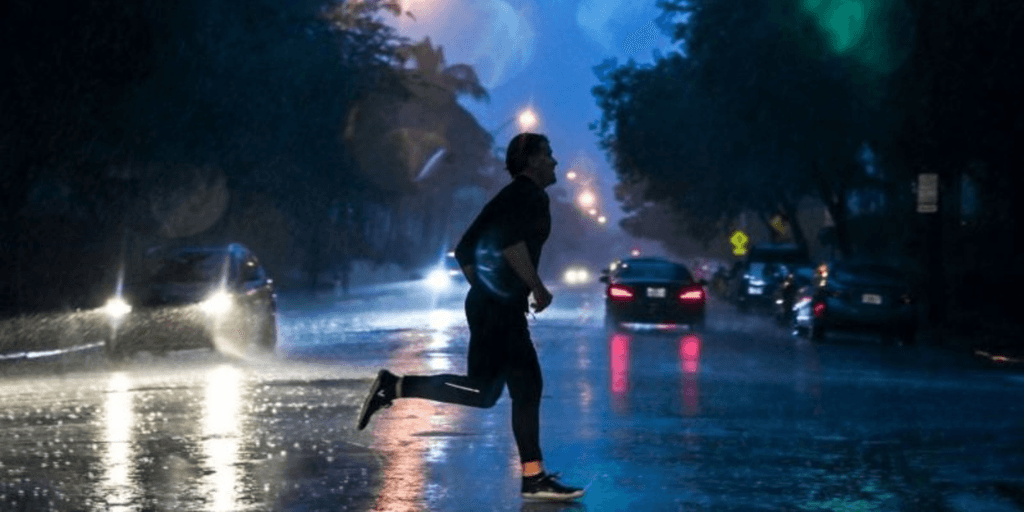
Rain associated with Tropical Storm Rachel brought flooding concerns to Las Vegas, highlighting the risks of tropical moisture reaching dry desert communities.
Rain Creates a Different Kind of Desert Weather Risk
Rain associated with Tropical Storm Rachel caused flooding across Las Vegas, Nevada, in a weather event that illustrated how moisture from tropical systems can create hazards far from the areas most commonly associated with tropical storms. Reports published on October 11 described flooding impacts in the Las Vegas area as the system's remnants affected the region.
The event drew attention to the challenges of managing heavy rainfall in a desert environment. Las Vegas receives relatively little precipitation compared with many American cities, and its infrastructure, roads and surrounding terrain face distinct challenges when rainfall arrives in concentrated bursts.
Flooding in such settings can develop quickly, particularly where runoff moves across paved surfaces, drainage channels and low-lying roadways. Even areas that remain dry for much of the year can experience dangerous conditions when rainfall exceeds the capacity of local drainage systems.
The Las Vegas event demonstrated why the effects of a tropical system cannot be assessed solely by its distance from the coast. Once tropical moisture moves inland, it can interact with regional weather conditions and produce rainfall that creates localized hazards.
Why Heavy Rain Can Be Dangerous in the Desert
Desert environments are not immune to flooding. In some locations, dry or compacted soils absorb water slowly, while roads, parking areas and buildings prevent rainfall from soaking naturally into the ground.
When heavy rain falls faster than the landscape can absorb or channel it, water moves across the surface. That runoff can collect in streets, underpasses, washes and other low areas. Because desert communities may experience long periods without substantial rainfall, residents can underestimate the danger of water flowing across normally dry terrain.
Flash flooding presents particular risks to motorists. Water covering a road may conceal its depth, damage pavement or carry debris. A crossing that appears shallow can become dangerous when water is moving quickly.
Urban development adds another dimension. Large paved areas generate runoff, while drainage systems must manage the water moving from surrounding neighborhoods into channels and collection points. The speed and volume of that movement can create hazards beyond the location where the rain initially fell.
The risk is not limited to areas directly beneath the heaviest showers. Water can travel downhill through drainage routes, meaning that flooding may occur some distance from the location where precipitation was recorded.
Tropical Moisture Can Affect Inland Communities
Tropical systems are often associated with coastal wind damage, storm surge and heavy rain near the ocean. However, moisture can continue moving inland after a system weakens or changes structure.
The resulting weather depends on the system's remaining moisture, its movement and interactions with other atmospheric conditions. A weakened tropical system may no longer produce the same wind threats as a powerful coastal storm, but it can still contribute to substantial rainfall.
For inland communities, this creates a forecasting challenge. Local conditions can change quickly as bands of rain move across a region, and the location of the most intense precipitation may vary.
Forecast agencies monitor rainfall potential, flash-flood threats and developing weather patterns to help local authorities communicate risks. The appropriate response depends on the anticipated severity, the geography of the affected area and the condition of local drainage infrastructure.
The Las Vegas flooding reports underscored the importance of understanding rainfall hazards independently from a storm's maximum wind strength or coastal classification.
Implications for Residents and Infrastructure
Flooding can disrupt ordinary travel, delay emergency responses and damage public or private property. Roads that become temporarily impassable can affect access to workplaces, schools, medical facilities and commercial areas.
For businesses, weather-related interruptions may affect employee travel, deliveries and customer access. Hotels, entertainment venues and other visitor-oriented operations can also face operational complications when transportation routes are disrupted.
Infrastructure planning is another important consideration. Drainage networks in fast-growing urban areas must account for the relationship between development, paved surfaces and runoff. Extreme rainfall can test systems designed around historical weather patterns, particularly when the intensity or timing of precipitation differs from typical conditions.
The event also highlights the value of clear communication. Residents need reliable information about warnings, road closures and areas experiencing dangerous conditions. Emergency officials and weather services play complementary roles by identifying hazards and communicating the actions people should take.
The most important safety principle during flooding is to avoid driving or walking through moving water. A flooded road may conceal hazards that cannot be judged from a vehicle, and water can move with considerable force even when its depth appears limited.
A Reminder of Regional Weather Vulnerability
The flooding associated with Tropical Storm Rachel showed that desert communities can face serious rainfall hazards despite their generally dry climate. The source of the moisture may be tropical, but the consequences are shaped by local terrain, drainage systems and urban development.
For Las Vegas, the event reinforced the need to prepare for episodes of intense rain rather than treating flooding as a remote possibility. Infrastructure, emergency communication and public awareness all influence how communities respond when conditions change.
The broader lesson extends beyond Nevada. Weather systems can produce different hazards as they move across regions, and communities must consider how local geography affects the consequences of rainfall.
Understanding those risks helps explain why a tropical system's inland effects can remain significant even after its strongest coastal characteristics have diminished.

Good Morning US Contributor
Covers national politics and policy, with an eye on how decisions in Washington reach everyday households.
This article features partner, contributor, or branded content from a third party. Members of the Good Morning US editorial staff were not involved in the creation of this content. All views and opinions are those of the contributor alone.
You May Also Like

Chris Gibson: America's Holistic Esthetician
Denise Janette Bruneau Writes Hope Into Love

Beyond Hormones: What Science Is Revealing About Botanicals and Women's Midlife Health

Troy Allen Is Building a Psychedelic Business Around Trust

Turning Your Life Savings Into a Retirement Plan