
U.S. Freezes Foreign Aid to Israel and Egypt Amid Policy Shift
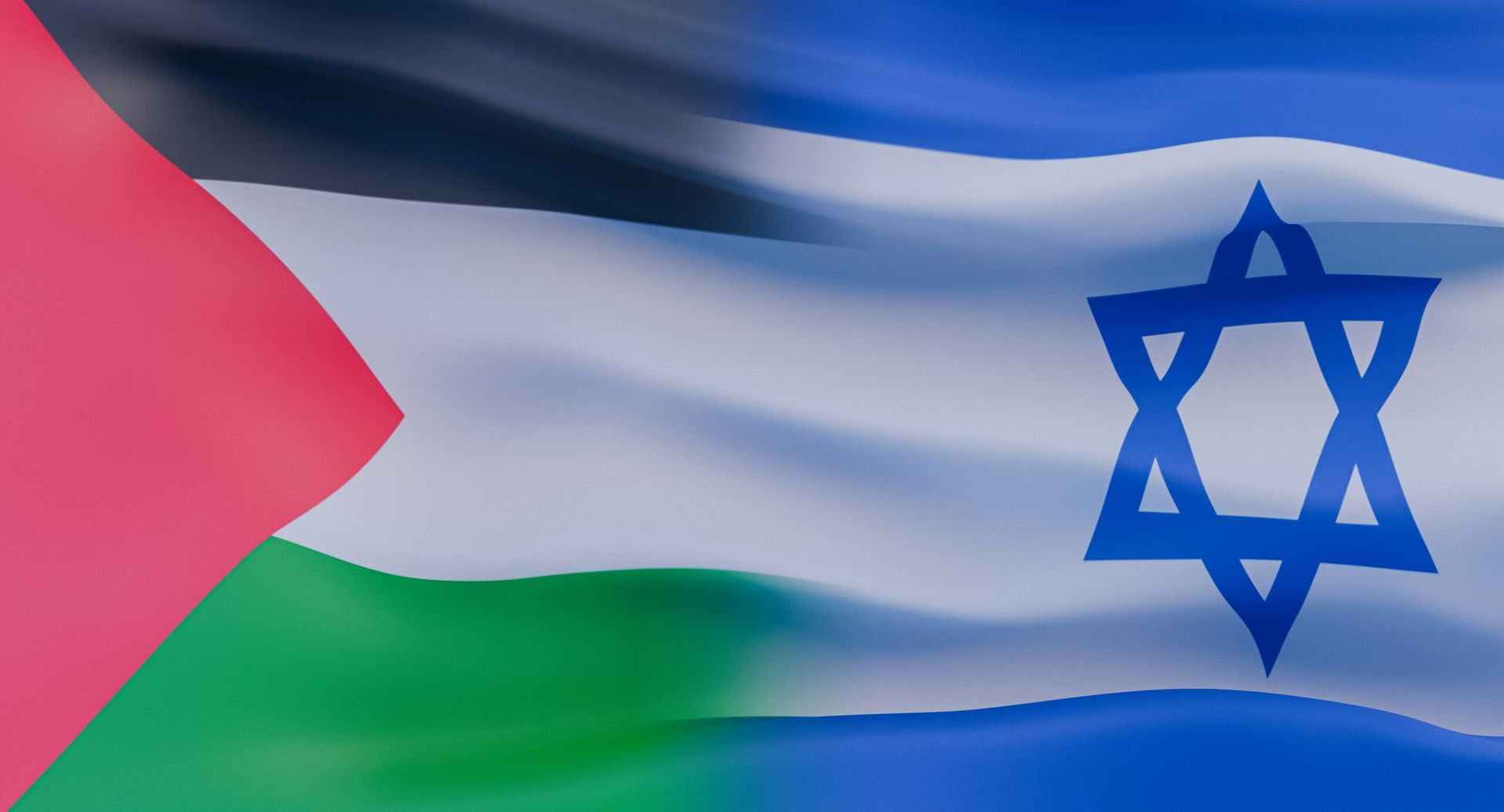
On January 24, 2025, the U.S. State Department announced a sweeping freeze on nearly all foreign aid programs, marking a significant shift in American foreign policy. This decision, stemming from Executive Order 14169 signed by President Donald Trump, aims to reassess aid distribution in light of recent geopolitical developments and human rights considerations.
Scope and Exceptions
The freeze encompasses a broad range of U.S.-funded global initiatives, including health, education, development, job training, and anti-corruption efforts. However, exceptions have been made for emergency food programs and military assistance to key allies Israel and Egypt.
Israel receives approximately $3.3 billion annually in foreign military financing, while Egypt receives about $1.3 billion. These exceptions underscore the strategic importance of these alliances in U.S. foreign policy.
Implementation and Review
Secretary of State Marco Rubio issued the directive to halt new funding, initiating a comprehensive review to ensure that foreign assistance aligns with President Trump’s “America First” agenda. The review is expected to be completed within 90 days, after which recommendations will be made regarding the continuation or termination of specific aid programs.
Global Impact and Reactions
The freeze has elicited varied responses from the international community and stakeholders. Humanitarian organizations have expressed concern over the potential disruption of life-saving services, particularly in regions heavily reliant on U.S. aid.
Critics argue that the abrupt halt could undermine U.S. influence and leadership in global humanitarian efforts, potentially allowing adversaries to fill the void. Conversely, supporters contend that the reassessment is necessary to eliminate inefficiencies and ensure that aid serves U.S. interests.
Domestic Implications
Domestically, the freeze has led to significant upheaval within the U.S. Agency for International Development (USAID). Reports indicate that numerous officials have been placed on administrative leave amid investigations into alleged resistance to the new directives. This internal turmoil reflects the broader challenges of implementing such a sweeping policy shift.
Conclusion
The U.S. decision to freeze foreign aid, excluding military assistance to Israel and Egypt, represents a pivotal moment in American foreign policy. As the 90-day review progresses, the global community watches closely to assess the long-term implications of this significant policy shift.

Good Morning US Contributor
Covers world affairs and science, connecting research and foreign policy to the readers they affect.
This article features partner, contributor, or branded content from a third party. Members of the Good Morning US editorial staff were not involved in the creation of this content. All views and opinions are those of the contributor alone.
You May Also Like

Castaways Bistro Enters a New Chapter in Punta Cana
When Technology Fails Care: Why Behavioral Health Can No Longer Treat IT as an Afterthought

Christian Clothing Co. Makes Faith Wearable

Lee A. Patterson: The Hope Dealer
Why Our Competitors Field Has Fewer Entries Than Yours