

U.S. Hospitals Begin Nationwide Rollout of AI-Assisted Early Detection System, Marking a New Era in Preventive Healthcare
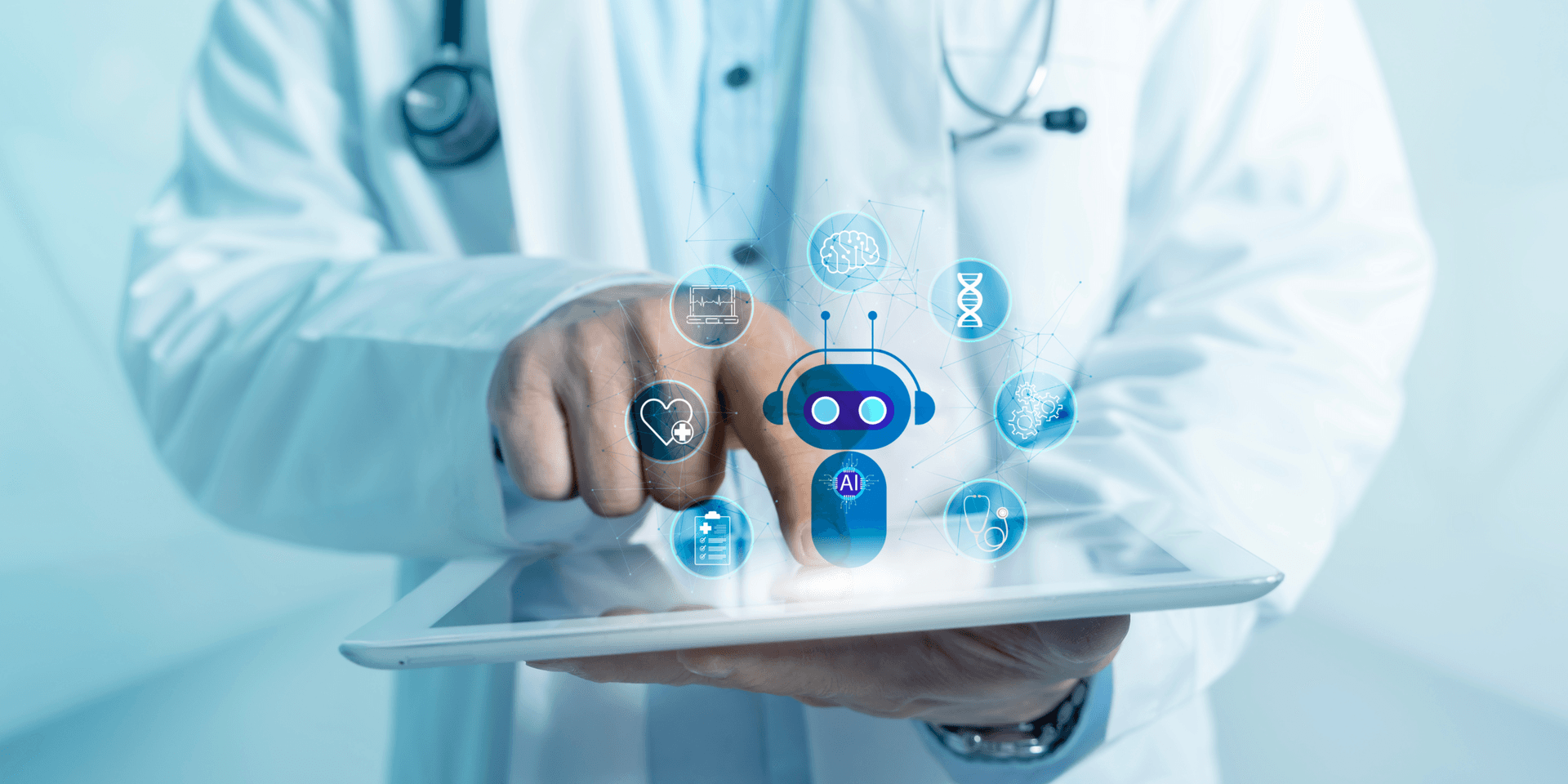
A major advancement in preventive healthcare is underway across the United States as hospitals begin implementing a new AI-assisted early detection system designed to help identify potential health risks at significantly earlier stages. The nationwide rollout, which began this week across major hospital networks and regional medical centers, is being hailed as a meaningful step forward in improving patient outcomes and strengthening the country’s healthcare infrastructure.
The system uses advanced machine learning models trained on large-scale medical imaging and diagnostic data to assist physicians in identifying early warning signs of conditions such as cancer, cardiovascular disease, and certain neurological disorders. While the technology does not replace medical professionals, it is designed to support clinical decision-making by highlighting patterns that may warrant further examination.
Strengthening Early Detection and Preventive Care
One of the central goals of the initiative is to improve early detection rates, which are often critical in determining treatment success. Physicians involved in the rollout have noted that the system helps streamline diagnostic workflows, allowing healthcare providers to focus more time on patient care and less on manual image review and data sorting.
Hospitals participating in the early phase of deployment report that the AI system is already assisting radiology and pathology departments by flagging subtle indicators that may not always be immediately visible during routine screenings. These alerts are then reviewed by licensed medical professionals, ensuring that final decisions remain firmly in human hands.
Healthcare administrators emphasize that the technology is intended to complement, not replace, existing medical expertise. The goal is to enhance accuracy, reduce diagnostic delays, and support physicians in managing increasing patient volumes across the healthcare system.
Improving Patient Experience and Access
Beyond clinical efficiency, the initiative is also expected to improve patient experience. Early reports from participating hospitals suggest that diagnostic turnaround times are becoming faster, reducing wait periods for patients undergoing routine screenings or follow-up evaluations.
Patients are also benefiting from more personalized care pathways. By identifying potential risks earlier, physicians can recommend preventive measures, lifestyle adjustments, or targeted testing before conditions progress. This shift toward proactive care represents a broader transformation in how healthcare is delivered in the United States.
For many patients, the reassurance of quicker results and earlier insights into their health status has been highlighted as a significant improvement in their overall care experience.
Supporting Healthcare Professionals
Medical professionals have played a key role in shaping the development and implementation of the system. Doctors, nurses, and specialists across multiple disciplines contributed feedback during testing phases to ensure the technology aligns with real-world clinical needs.
Radiologists in particular have noted that the system helps reduce repetitive workload, allowing them to allocate more attention to complex cases that require deeper analysis. In busy hospital environments, this added efficiency is expected to help alleviate staffing pressures and improve overall service delivery.
Training programs are also being rolled out alongside the technology to ensure healthcare staff are fully equipped to interpret AI-generated insights responsibly and effectively.
A Step Toward Modernized Healthcare Systems
Public health experts view the initiative as part of a broader shift toward modernizing healthcare infrastructure through digital innovation. As medical systems continue to face rising demand, aging populations, and resource constraints, tools that enhance efficiency and accuracy are becoming increasingly important.
The integration of AI-assisted diagnostics is seen as a way to support long-term sustainability in healthcare delivery while maintaining high standards of patient safety and care quality.
While the rollout is still in its early stages, participating institutions are expected to expand usage over the coming months, with additional hospitals scheduled to join the program later in the year.
Looking Ahead
The nationwide deployment represents an important milestone in the evolution of healthcare technology in the United States. As the system continues to be refined through real-world use, developers and medical professionals will work closely to ensure it adapts to clinical needs and continues to support improved patient outcomes.
Healthcare leaders remain optimistic that innovations like this will help shape a more responsive, efficient, and patient-centered system in the years ahead.
For now, hospitals and patients alike are beginning to experience the benefits of a healthcare approach that blends advanced technology with human expertise, offering a promising outlook for the future of preventive medicine in the United States.

Good Morning US Contributor
Covers health, consumer technology, and entertainment, tracking the stories driving the daily conversation.
This article features partner, contributor, or branded content from a third party. Members of the Good Morning US editorial staff were not involved in the creation of this content. All views and opinions are those of the contributor alone.
You May Also Like

Turning Your Life Savings Into a Retirement Plan

Water Guys Reveals The Hidden Costs Of Hard Water For Homeowners In Eastern Washington And North Idaho

Scientists and Technology Companies Commit $1.8 Billion to AI-Based Biology Research

Kully Bath: A Voice for the Unseen

Diana Sussman Unveils The Texter’s Secret, Her Latest Maddie Mystery