

U.S. Proposes AI Incident Notification System in Talks With China
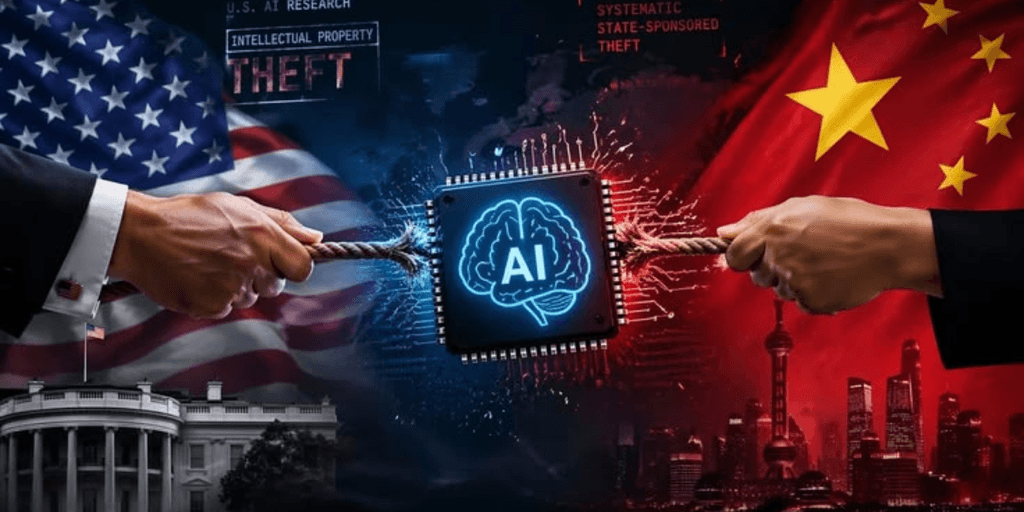
U.S. officials proposed an AI incident notification mechanism with China as advanced technology becomes a growing international concern.
AI Safety Becomes Part of U.S.-China Discussions
The United States proposed creating a notification system with China for significant artificial intelligence incidents during high-level economic discussions in New York, placing AI safety alongside trade and technology issues being considered between the world's two largest economies.
Treasury Secretary Scott Bessent and Chinese Vice Premier He Lifeng concluded discussions that included the proposed AI mechanism ahead of an expected meeting between the countries' leaders.
The proposal would create a channel for communication about major AI incidents, particularly events with potential national-security implications. It does not yet represent a finalized agreement, and Chinese officials have not publicly committed to the framework described by U.S. officials.
Why AI Incidents Matter
Artificial intelligence is increasingly being used in businesses, research institutions, software platforms and government systems. As these systems become more capable, failures involving cybersecurity, infrastructure or other sensitive applications could have effects beyond the organization where an incident begins.
A formal government communication mechanism could provide a way for officials to exchange information about serious incidents and emerging risks.
The proposal is part of a broader shift in how governments approach advanced AI. Rather than treating artificial intelligence solely as a technology or commercial issue, officials are increasingly considering its implications for security, infrastructure and international relations.
No Formal System Yet
The proposed notification framework remains at the discussion stage.
Officials have not announced a finalized agreement establishing rules, reporting requirements or specific thresholds for what would qualify as a reportable incident. China's response to the proposal has also not resulted in a formal commitment.
That distinction is important because the announcement concerns a proposed mechanism rather than a new requirement for technology companies or consumers.
For businesses, however, the discussion provides another indication that governments are examining how to manage increasingly advanced AI systems.
Trade Remains Part of the Picture
The AI discussion occurred alongside negotiations covering broader economic issues.
The two sides discussed possible tariff reductions involving certain non-strategic goods. They did not reach agreement on several other matters, including Chinese purchases of U.S. agricultural products and aircraft. Officials also said high-end AI chip export controls were not discussed during the meetings.
The combination of trade and AI discussions illustrates how technology has become intertwined with economic policy.
AI companies depend on global supply chains, advanced semiconductors, cloud infrastructure and international markets. Decisions affecting any of those areas can influence the technology sector and businesses that rely on AI tools.
What the Proposal Could Mean
If a bilateral notification system were eventually established, its practical effect would depend on how the two governments define major incidents and what information they agree to share.
The concept could provide a formal channel for communication during significant events involving advanced AI systems. It could also contribute to broader discussions about transparency and risk management.
At present, those outcomes remain uncertain because the proposal has not become an operational agreement.
The development nevertheless demonstrates how quickly AI has moved into high-level international discussions. Governments are now considering not only the economic opportunities associated with artificial intelligence but also the systems needed to respond when advanced technologies create unexpected risks.
A Growing Technology Issue
For American consumers, businesses and technology professionals, the discussions are relevant because AI is becoming part of everyday digital infrastructure.
The proposed U.S.-China mechanism represents one small part of a much larger debate over how advanced artificial intelligence should be monitored and governed.
The New York talks did not resolve the broader technology disagreements between the two countries. They did, however, put AI safety and incident communication directly into the economic dialogue.
As the technology continues to develop, those international discussions are likely to remain connected to questions involving cybersecurity, trade, infrastructure and the future of digital systems.

Good Morning US Contributor
Covers health, consumer technology, and entertainment, tracking the stories driving the daily conversation.
This article features partner, contributor, or branded content from a third party. Members of the Good Morning US editorial staff were not involved in the creation of this content. All views and opinions are those of the contributor alone.
You May Also Like

Catherine Gibson Writes Children’s Books Parents And Grandparents Can Feel Good About

The Transformation Behind Palm Beach Body Sculpting

Federal Health Researchers Launch New AI Program to Improve Intensive Care

Measles Case Reported in Minnesota as U.S. Cases Continue to Require Public Health Attention

Markets Recover as Investors Adjust to Federal Reserve Rate Increase