

Federal Reserve Holds Interest Rates Steady as Inflation Remains Elevated
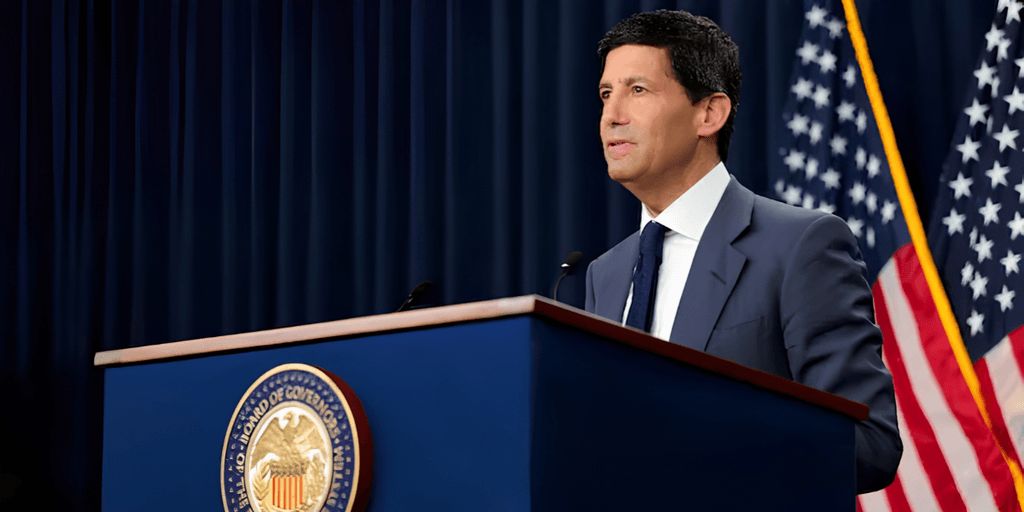
The central bank maintained its benchmark rate at 3.75% to 4%, signaling that policymakers need more evidence before deciding their next move.
The Federal Reserve left its benchmark interest rate unchanged at a target range of 3.75% to 4% on Wednesday, October 28, as policymakers weighed persistent inflation against an economy they described as continuing to grow at a strong pace. The decision was a major focus of U.S. economic coverage on October 29, with financial markets reassessing the outlook for borrowing costs and future monetary policy.
The central bank's decision followed a rate increase in September, the first in three years, as officials sought to address inflation that remained above their longer-term goal. The latest statement indicated that policymakers wanted more information before determining the appropriate next step.
The decision affects a broad range of economic activity, including mortgage financing, business borrowing, credit-card costs and investment decisions. It does not mean that all consumer interest rates will remain unchanged, since those rates also depend on market conditions and individual lending terms.
Why the Fed Paused
The Federal Reserve uses monetary policy to pursue its goals of price stability and maximum employment. Raising interest rates can make borrowing more expensive, potentially slowing demand and easing inflationary pressure. Holding rates steady gives policymakers time to evaluate how earlier decisions are affecting the economy.
In its latest statement, the Fed acknowledged that inflation remained elevated while describing economic activity as expanding at a strong pace. That combination presents a difficult policy problem: officials want inflation to move toward their 2% objective without unnecessarily weakening employment or economic growth.
The decision was not unanimous. The committee voted 10–2 to maintain the target range, reflecting differing views among policymakers about the appropriate direction of policy.
The Fed also said it would reduce its policy-meeting schedule beginning next year. The change adds an institutional dimension to the announcement, although the immediate focus for markets remained the interest-rate decision and the outlook for inflation.
Borrowing Costs for Households
Interest-rate policy influences consumer borrowing, but the effect differs by product. Credit-card rates and some variable-rate loans can respond relatively quickly to changes in benchmark rates. Fixed-rate mortgages, by contrast, are influenced heavily by longer-term bond yields and expectations about future inflation and economic growth.
For households, the decision means there is no immediate reduction in the Fed's benchmark rate to provide broad relief to borrowing costs. People carrying high-interest debt may continue to face expensive financing, while prospective homebuyers must consider mortgage rates, property prices and other housing expenses.
A steady benchmark rate does not guarantee that mortgage rates will remain at the same level. Mortgage pricing can change as financial markets respond to economic data, Treasury yields and expectations for future monetary policy.
Households planning large purchases may therefore benefit from evaluating their budgets under different borrowing-cost scenarios rather than assuming that rates will quickly fall.
Business Investment and Hiring
Businesses also respond to the cost of borrowing. Higher financing expenses can make it harder to fund expansion, purchase equipment or support projects that take years to generate returns.
For smaller businesses, borrowing costs may influence decisions about hiring, inventory and new locations. Larger companies may have more access to different financing options, but they also weigh interest expenses against the expected return on capital investments.
The Fed's decision provides some short-term continuity for financial planning, but uncertainty remains about the future path of rates. Executives may delay major commitments if they are unsure whether financing costs will rise or fall, while other businesses may proceed if demand and cash flow justify the investment.
The impact is not uniform. Some industries are more sensitive to credit conditions than others, and businesses with strong cash reserves may be less exposed to higher borrowing costs.
Inflation Remains the Central Question
The Fed's 2% inflation goal is a longer-term objective, not a claim that prices will return to their previous levels. Inflation measures how quickly prices rise over time. Even when inflation slows, households may continue to face higher prices for goods and services than they paid several years earlier.
Policymakers examine a range of information, including consumer prices, wages, employment, spending and business activity. No single report determines the direction of monetary policy.
If inflation remains persistent, officials may conclude that restrictive rates are needed for longer or that further tightening could be appropriate. If price pressures ease while economic activity weakens, the balance of risks could shift.
The latest decision shows that policymakers are still assessing how the economy responds to earlier changes in rates and other conditions.
What Markets Are Watching
Investors are looking for clues about the next policy decision, including changes in the Fed's language and upcoming inflation and employment data. The central bank's statement emphasized the value of accumulating more information before determining the appropriate policy stance.
Financial markets can react quickly to new economic data because expectations about interest rates affect bond yields, currency values and equity prices. However, a single market reaction does not necessarily indicate where rates will ultimately settle.
Businesses and households should also distinguish between the Fed's benchmark rate and the rates available to individual borrowers. Lending terms depend on credit history, loan type, collateral and other factors.
An Uncertain Path Ahead
The Federal Reserve's decision to hold rates steady reflects the challenge of managing inflation while supporting continued economic activity. Policymakers have not declared victory over price pressures, and the decision does not establish a fixed path for future rates.
For households, the immediate priority remains understanding borrowing costs and maintaining financial flexibility. For businesses, the challenge is to make investment and hiring decisions while accounting for uncertainty.
The next phase of monetary policy will depend on how inflation, employment and economic growth evolve. Until clearer evidence emerges, the Fed's approach suggests that decisions will continue to be guided by incoming data rather than a predetermined timetable for rate cuts.

Good Morning US Contributor
Covers national politics and policy, with an eye on how decisions in Washington reach everyday households.
This article features partner, contributor, or branded content from a third party. Members of the Good Morning US editorial staff were not involved in the creation of this content. All views and opinions are those of the contributor alone.
You May Also Like

Memorra: Best AI Powered Memory Preservation Service in the USA of 2026

How ORYN Quest Uses AI to Help Parents Discover Kids’ Activities and Support Their Growth

Kranay Academy Is Taking the Guesswork Out of Scholarships With 3 FREE Personalized Matches

U.S. New-Home Sales Fall in September as Mortgage Costs Weigh on Buyers

Oregon Seafood Plant Fire Triggers Evacuations After Ammonia Leak on Newport Bayfront