

U.S. Reaches Historic Agreement with Iran Over Nuclear Program
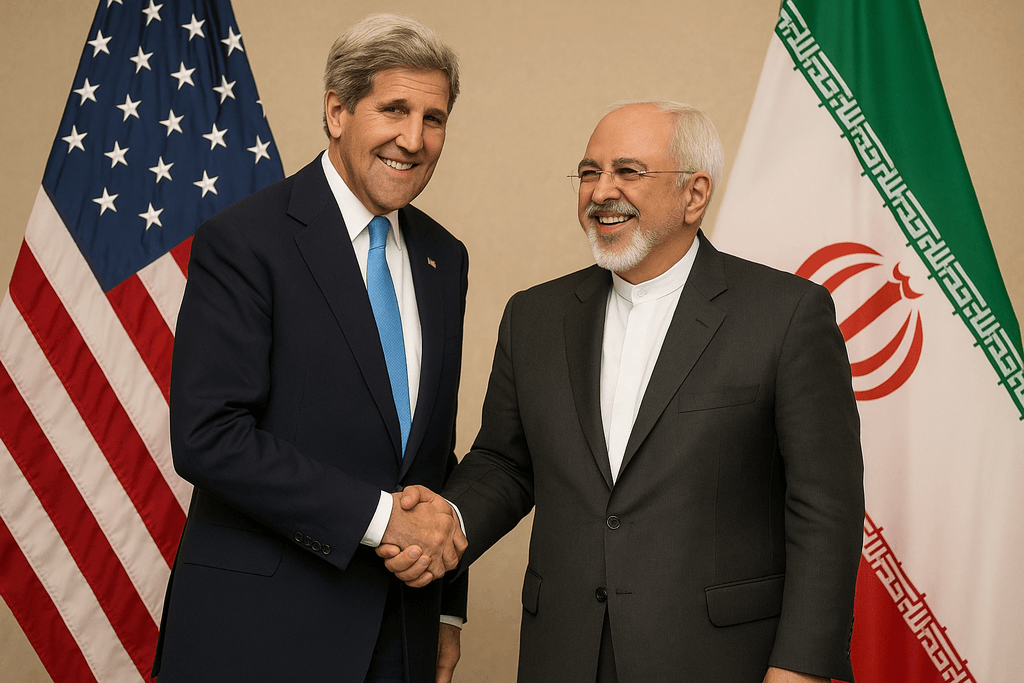
In February 2024, the United States reached a historic agreement with Iran that could significantly alter the course of Middle Eastern geopolitics. The agreement, which was brokered through months of behind-the-scenes diplomacy, seeks to limit Iran’s nuclear program in exchange for the lifting of certain sanctions. The deal has been hailed by some as a breakthrough for U.S.-Iran relations, but it has also drawn sharp criticism from political opponents and key allies in the Middle East.
The negotiations were spearheaded by the Biden administration, which has prioritized reducing tensions in the region while addressing the risks posed by Iran’s nuclear ambitions. The agreement, known as the Tehran Accords, stipulates that Iran will limit its uranium enrichment to civilian levels, with stringent oversight by the International Atomic Energy Agency (IAEA). In return, the U.S. will ease some of the economic sanctions that have crippled the Iranian economy.
This diplomatic breakthrough marks a significant shift from the previous administration’s “maximum pressure” strategy, which sought to isolate Iran economically and diplomatically. President Biden, in a public statement, emphasized the importance of diplomacy in preventing the further spread of nuclear weapons in the Middle East. “This agreement is a step toward a more stable and secure future for the region,” Biden said. “We believe that engaging Iran diplomatically is the best path forward for the U.S. and our allies.”
However, the agreement has faced substantial pushback from critics who argue that the deal could embolden Iran and undermine U.S. credibility in the region. Israel, a key ally of the United States, has expressed concerns that the lifting of sanctions could provide Iran with the resources to further destabilize the region. “This agreement only delays Iran’s pursuit of nuclear weapons,” said Israeli Prime Minister Benjamin Netanyahu.
Despite the criticisms, the deal has the potential to reshape U.S.-Iran relations and offer a new path toward de-escalation in the Middle East. As the agreement progresses, its long-term impact on American foreign policy and regional stability will be closely monitored.

Good Morning US Contributor
Covers world affairs and science, connecting research and foreign policy to the readers they affect.
This article features partner, contributor, or branded content from a third party. Members of the Good Morning US editorial staff were not involved in the creation of this content. All views and opinions are those of the contributor alone.
You May Also Like

Castaways Bistro Enters a New Chapter in Punta Cana
When Technology Fails Care: Why Behavioral Health Can No Longer Treat IT as an Afterthought

Christian Clothing Co. Makes Faith Wearable

Lee A. Patterson: The Hope Dealer

Why Our Competitors Field Has Fewer Entries Than Yours