

U.S. Science Milestone: NASA Advances Artemis Program with Successful Lunar Systems Testing
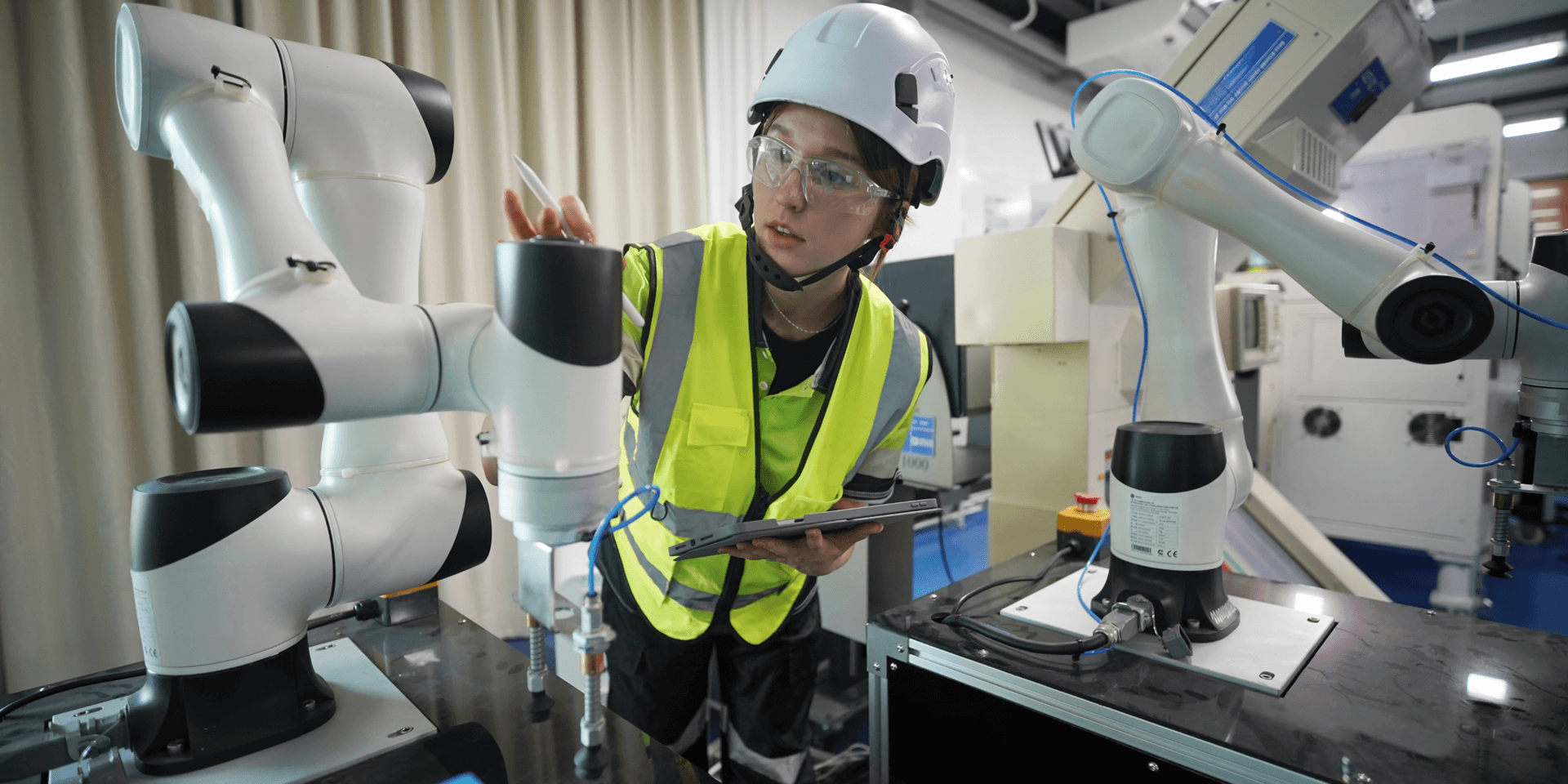
A significant and encouraging milestone in American space exploration was reached this week as the National Aeronautics and Space Administration (NASA) reported successful progress in testing critical systems for its Artemis program. The development marks another step forward in the United States’ renewed effort to return humans to the Moon and expand long-term exploration capabilities beyond Earth.
NASA confirmed that recent integrated system tests for the Artemis missions, including components of the Space Launch System (SLS) rocket and the Orion spacecraft, have met key performance benchmarks. These systems are designed to work together to safely carry astronauts into deep space, laying the groundwork for sustained lunar missions and future journeys to Mars.
Progress Toward Human Return to the Moon
The Artemis program represents NASA’s most ambitious human spaceflight initiative in decades. Building on the legacy of the Apollo program, Artemis aims not only to land astronauts on the Moon again but also to establish a long-term human presence on and around the lunar surface.
Recent testing focused on validating the performance, safety, and integration of mission-critical systems. Engineers evaluated propulsion, navigation, and life-support systems under simulated mission conditions, ensuring readiness for upcoming crewed flights. According to NASA, the successful outcomes reflect years of engineering refinement and collaboration across multiple research centers and private industry partners.
These achievements bring NASA closer to its goal of launching Artemis missions that will include both orbital and surface operations. Future missions are expected to support scientific research, technology demonstrations, and international cooperation in space exploration.
Innovation Driving Exploration
The technologies being developed through Artemis are not limited to space travel alone. Many innovations tied to the program, such as advanced materials, energy systems, and communication technologies, have potential applications on Earth.
For example, improvements in sustainable power systems designed for lunar environments may contribute to energy solutions in remote or extreme locations on Earth. Similarly, advancements in autonomous navigation and robotics are expected to enhance industries ranging from transportation to disaster response.
NASA officials have emphasized that these developments demonstrate how investment in space exploration continues to yield practical benefits for everyday life, reinforcing the broader value of scientific research and innovation.
Collaboration Across Sectors
A defining feature of the Artemis program is its collaborative nature. NASA is working alongside private aerospace companies, academic institutions, and international space agencies to bring the program to life. This cooperative approach allows for shared expertise, reduced costs, and expanded opportunities for innovation.
Commercial partners are contributing to spacecraft design, lunar lander development, and mission logistics, while international partners are supporting scientific payloads and infrastructure planning. This model reflects a modern approach to space exploration, where public and private entities work together to achieve ambitious goals.
The result is a program that not only advances U.S. leadership in space but also fosters global cooperation in scientific discovery.
Inspiring the Next Generation
Beyond its technical achievements, the Artemis program is also playing a vital role in inspiring future generations. NASA continues to engage students and educators through outreach programs, STEM initiatives, and public engagement campaigns tied to Artemis missions.
By showcasing real-world applications of science, technology, engineering, and mathematics, the program encourages young people to pursue careers in these fields. This focus on education ensures that the benefits of today’s achievements extend well into the future.
Why This Matters
The progress announced this April highlights a moment of optimism and forward momentum in American science and technology. As NASA moves closer to returning humans to the Moon, the Artemis program stands as a symbol of innovation, resilience, and collective achievement.
For the public, these developments offer a reminder of what can be accomplished through sustained investment in research and collaboration. The advancements made today are not only shaping the future of space exploration but also contributing to technological progress here on Earth.
Key Takeaways
The successful testing of Artemis systems represents a meaningful step toward the next era of human space exploration. With strong collaboration, cutting-edge technology, and a clear vision for the future, NASA continues to push the boundaries of what is possible.
As preparations for upcoming missions continue, the Artemis program serves as a powerful example of how science and innovation can drive progress, inspire communities, and create lasting benefits for society.

Good Morning US Contributor
Covers world affairs and science, connecting research and foreign policy to the readers they affect.
This article features partner, contributor, or branded content from a third party. Members of the Good Morning US editorial staff were not involved in the creation of this content. All views and opinions are those of the contributor alone.
You May Also Like

When Technology Fails Care: Why Behavioral Health Can No Longer Treat IT as an Afterthought

Christian Clothing Co. Makes Faith Wearable

Lee A. Patterson: The Hope Dealer

Why Our Competitors Field Has Fewer Entries Than Yours

John David Gregory And The Story Behind The Faceless Man