
Vice President JD Vance Criticizes U.S. Bishops Over Immigration Stance
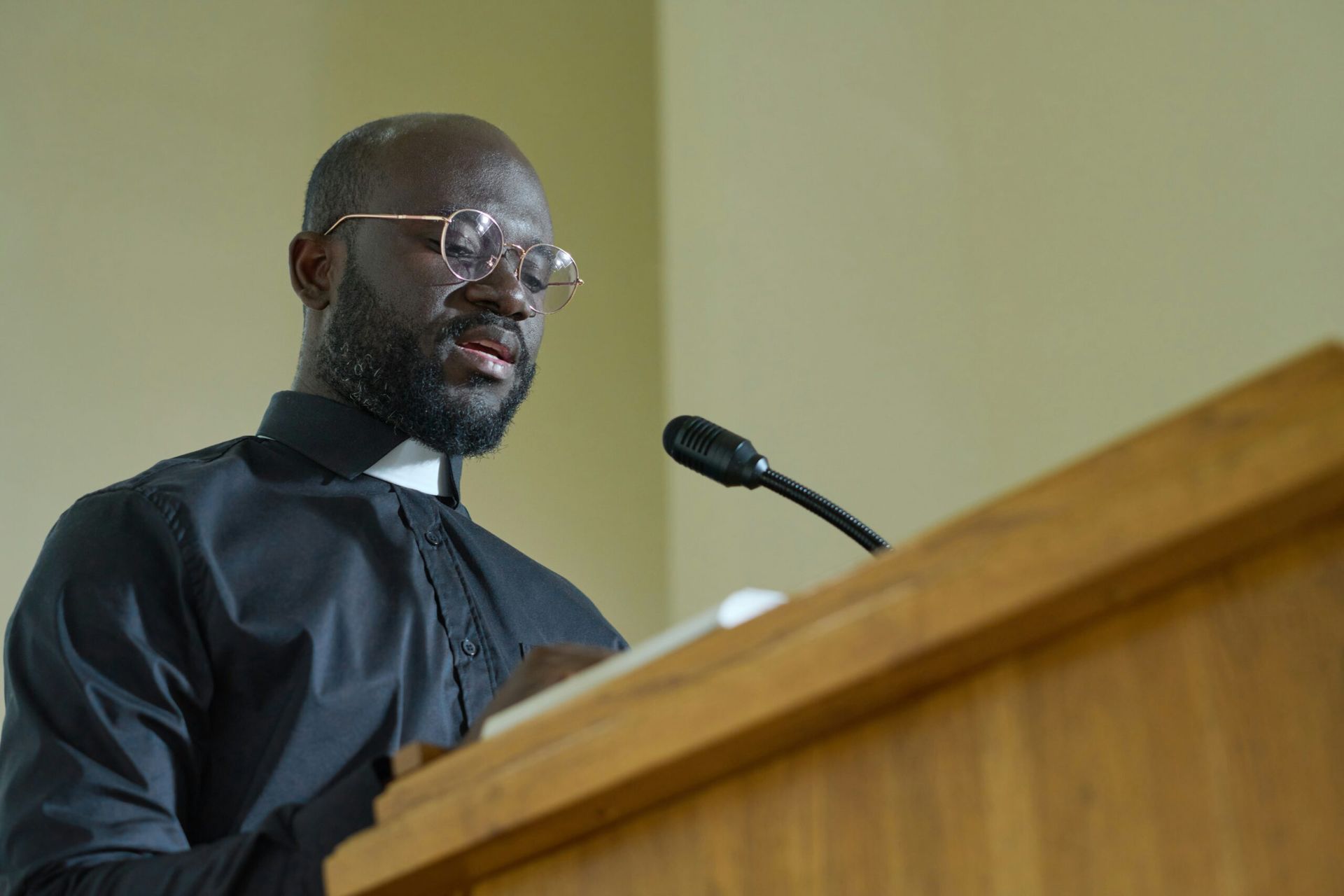
In a televised interview on January 26, Vice President JD Vance, a practicing Catholic, publicly challenged the U.S. Conference of Catholic Bishops (USCCB) for their criticism of President Donald Trump’s recent immigration policies. Vance suggested that the bishops’ opposition might be financially motivated, aiming to protect federal resettlement funding rather than focusing solely on humanitarian concerns.
Vance’s Remarks
During his appearance on CBS’s “Face the Nation,” Vance expressed disappointment with the USCCB’s condemnation of the administration’s immigration directives, including the rescission of policies that previously limited Immigration and Customs Enforcement (ICE) operations in sensitive locations such as churches and schools. He questioned whether the bishops’ stance was influenced by the substantial federal funding they receive for refugee resettlement programs.
“I think the U.S. Conference of Catholic Bishops has, frankly, not been a good partner in commonsense immigration enforcement that the American people voted for,” Vance stated. “And I hope, again, as a devout Catholic, that they’ll do better.”
USCCB’s Response
In response, the USCCB defended its long-standing commitment to aiding refugees, emphasizing that their resettlement efforts are rooted in faith-based humanitarian principles. They clarified that while they receive federal funds to assist in refugee resettlement, these funds do not cover the entire cost of their programs. “This remains a work of mercy and ministry of the Church,” the USCCB stated.
The bishops also highlighted that individuals resettled through the U.S. Refugee Admissions Program are thoroughly vetted and approved by the federal government before entering the United States.
Broader Implications
Vance’s comments have sparked a broader debate about the role of religious organizations in political discourse and their involvement in immigration issues. Critics argue that questioning the motives of faith-based humanitarian efforts undermines the moral authority of religious institutions. Supporters of the administration’s policies contend that a reassessment of federal funding and immigration enforcement is necessary for national security.
The tension between the Trump administration and the Catholic Church reflects the complex dynamics of Middle Eastern diplomacy and domestic policy. As the administration continues to implement its immigration agenda, the responses from religious and humanitarian organizations will play a significant role in shaping public perception and policy outcomes.

Good Morning US Contributor
Covers world affairs and science, connecting research and foreign policy to the readers they affect.
This article features partner, contributor, or branded content from a third party. Members of the Good Morning US editorial staff were not involved in the creation of this content. All views and opinions are those of the contributor alone.
You May Also Like

Chris Gibson: America's Holistic Esthetician
Denise Janette Bruneau Writes Hope Into Love

Beyond Hormones: What Science Is Revealing About Botanicals and Women's Midlife Health

Troy Allen Is Building a Psychedelic Business Around Trust
Turning Your Life Savings Into a Retirement Plan