

Controversial ‘Don’t Say Gay’ Bill Passes in Florida
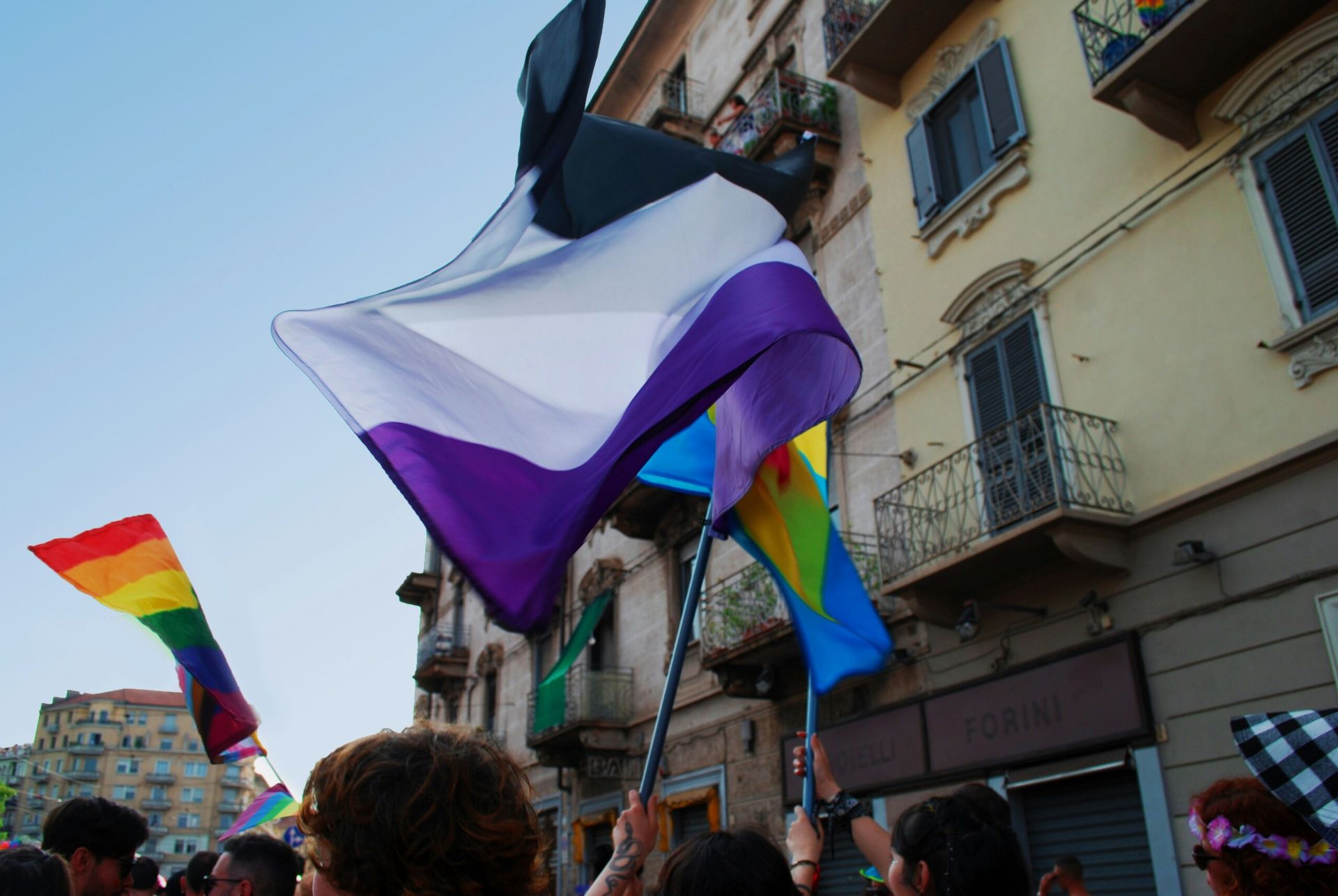
Florida’s Governor, Ron DeSantis, made headlines this week as he signed into law a highly debated education bill that prohibits discussions of sexual orientation and gender identity in elementary school classrooms, specifically for children from kindergarten through third grade. This legislation, widely referred to as the “Don’t Say Gay” bill, has ignited a fierce national debate, with LGBTQ+ advocates condemning it as an attack on rights and inclusivity. The bill, which has already triggered protests and calls for action from civil rights organizations, bans teachers from addressing or even acknowledging topics related to sexual orientation and gender identity in the classroom.
Critics argue that the law marginalizes LGBTQ+ children and families by creating an environment where children are unable to freely express their identities or receive support from educators. These critics warn that the law not only silences the LGBTQ+ community but also sends a harmful message to young people that their identities are something to be ashamed of or hidden. Nadine Smith, executive director of Equality Florida, called the bill “an attack on LGBTQ+ rights and freedom,” reflecting the sentiments of many who believe the legislation will harm vulnerable children.
On the other side of the debate, supporters of the bill argue that it provides much-needed protection for young children, keeping them safe from what they deem age-inappropriate discussions. Florida Governor Ron DeSantis, a key proponent of the law, emphasized that the bill was about safeguarding children and reaffirming parental rights. He stated, “It’s a law that protects our children from inappropriate discussions that should be left to parents,” expressing his belief that it is up to parents to determine when and how their children should learn about these sensitive topics. For these supporters, the legislation aligns with their views on what should be taught to young children in schools, prioritizing parental control and the preservation of innocence.
The law’s passage has thrust Florida into the center of a broader national culture war, with many Republican-led states considering similar legislation. This has led to intense scrutiny of Florida’s education policies and a rising tide of resistance from LGBTQ+ advocacy groups, educators, and parents. While the bill may have passed in Florida, the ripple effects are expected to reverberate across the United States, as other states may look to implement similar laws.
The controversy surrounding the “Don’t Say Gay” bill underscores the deep divisions within the country over issues of gender and sexuality in education. As the battle over this legislation continues to unfold, it remains clear that this bill is more than just a local issue—it is part of a larger, ongoing struggle over the direction of American education and the rights of LGBTQ+ individuals.

Good Morning US Contributor
Covers national politics and policy, with an eye on how decisions in Washington reach everyday households.
This article features partner, contributor, or branded content from a third party. Members of the Good Morning US editorial staff were not involved in the creation of this content. All views and opinions are those of the contributor alone.
You May Also Like

When Technology Fails Care: Why Behavioral Health Can No Longer Treat IT as an Afterthought

Christian Clothing Co. Makes Faith Wearable
Lee A. Patterson: The Hope Dealer

Why Our Competitors Field Has Fewer Entries Than Yours
John David Gregory And The Story Behind The Faceless Man