

Live Streaming Amplifies Reach: CJI 2’s Free Broadcast Breaks Barriers in Sports Consumption
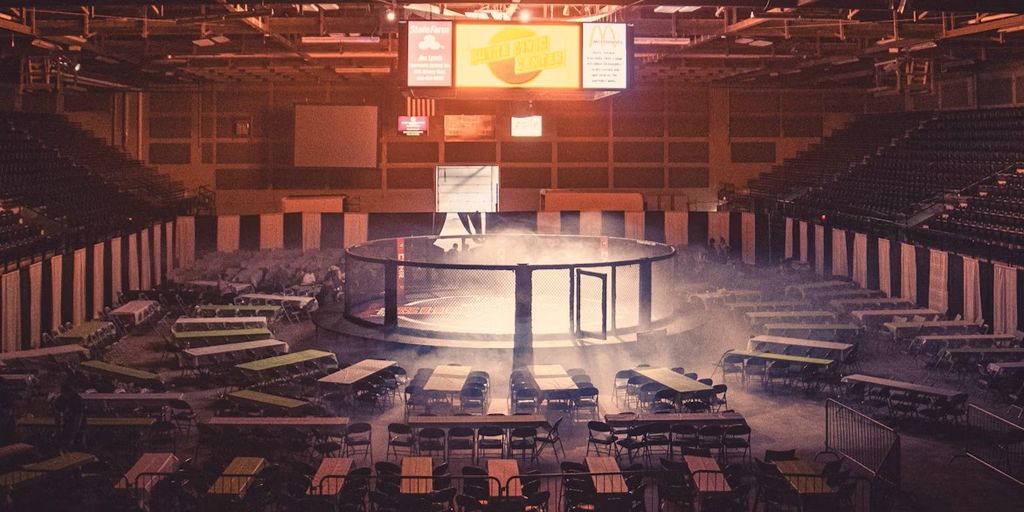
The Craig Jones Invitational 2 (CJI 2), held in Las Vegas on August 30 and 31, 2025, was more than a record-setting grappling tournament. It was a pivotal moment in how sports content can be distributed and consumed globally. By choosing to stream the event live and free on YouTube, organizers departed from the traditional pay-per-view model that has long defined combat sports. The decision not only broadened the audience but also signaled a shift toward a more inclusive and digitally connected future for niche athletic competitions.
Historically, grappling has been overshadowed by mainstream combat sports like boxing and mixed martial arts. Its events, while fiercely competitive, often drew only modest viewership and were confined to specialized streaming platforms with subscription paywalls. For fans outside of the sport’s core community, gaining access could be cost-prohibitive or simply too inconvenient. CJI 2 broke that mold. By making its broadcast free and globally accessible, it invited fans everywhere—whether casual viewers, aspiring athletes, or those discovering the sport for the first time—to join in without barriers. The result was a groundswell of engagement that extended far beyond the arena in Las Vegas.
The free stream quickly became a social media phenomenon. Highlights of matches circulated across platforms like X (formerly Twitter), Instagram, and TikTok, where clips of dramatic submissions and emotional victories went viral. Viewers interacted through live chat functions during the stream, adding to the communal atmosphere and transforming the competition into a global conversation. In this way, the broadcast did more than showcase grappling matches—it created an interactive experience that mirrored how modern audiences engage with sports. Rather than being passive spectators, fans became active participants, sharing content and fueling real-time discussion.
Read Also: https://goodmorningus.com/amazon-introduces-prime-video-vr-a-virtual-reality-streaming-experience/
From a business perspective, the strategy was equally significant. By forgoing short-term broadcast revenue, organizers focused on maximizing long-term value through scale. The massive online audience provided sponsors with exposure that far exceeded the reach of a conventional pay-per-view event. Branded content, embedded ads, and product placement throughout the stream gave companies access to a diverse international viewership. Merchandise sales and athlete recognition also received a notable boost, showing that free access can translate into sustainable revenue streams when paired with the right marketing strategy. For niche sports, this approach represents a blueprint for how to expand influence and financial stability without relying solely on ticket sales or traditional broadcast fees.
The decision also highlighted shifting audience expectations in the digital age. Younger fans, who are increasingly resistant to paying for static cable subscriptions, expect immediacy, accessibility, and interactivity. They want content that is not only easy to access but also easy to share. By choosing YouTube as the platform, CJI 2 tapped directly into that cultural shift. The event was not confined to a single broadcast window; instead, it lives on through replayable clips, highlight reels, and fan-created content that continue to circulate long after the competition ended. This extended digital life amplifies the impact of the event, ensuring it remains part of the conversation well beyond the tournament’s closing moments.
For the athletes, the benefits were profound. Free global exposure means grapplers who might have been unknown outside of their regional circuits were suddenly thrust onto the international stage. This visibility can lead to sponsorships, seminar opportunities, and fan followings that were previously out of reach. The women’s division, which awarded an unprecedented $100,000 prize, gained particular attention, with its competitors receiving media coverage that elevated their profiles in ways that paid broadcasts might have limited. By democratizing access, CJI 2 not only rewarded its athletes financially but also gave them the kind of platform that can sustain careers.
Of course, challenges remain. Craig Jones himself admitted that ticket sales alone could not cover the event’s enormous prize pools. Sustainability will require refining the model, layering revenue streams through sponsorships, merchandise, and possibly premium content tiers for future editions. Yet what CJI 2 proved is that the foundation exists for niche sports to thrive if they embrace accessibility and leverage technology. By treating visibility as the most valuable currency, the event pointed toward a future where financial success is measured not by pay-per-view buys but by reach, engagement, and community building.
CJI 2’s decision to broadcast free to the world marked a turning point in sports consumption. It showed that audiences are eager for inclusive, high-quality content, and that technology can dissolve traditional barriers between niche sports and global recognition. For grappling, the event may be remembered as the moment the sport stepped out of the shadows and embraced a model that aligned with modern viewing habits. For the broader sports industry, it was a signal that the future lies not in restricting access but in expanding it—and in doing so, creating communities of fans who are as invested in the story as they are in the competition itself.

Good Morning US Contributor
Covers health, consumer technology, and entertainment, tracking the stories driving the daily conversation.
This article features partner, contributor, or branded content from a third party. Members of the Good Morning US editorial staff were not involved in the creation of this content. All views and opinions are those of the contributor alone.
You May Also Like

Turning Your Life Savings Into a Retirement Plan

Water Guys Reveals The Hidden Costs Of Hard Water For Homeowners In Eastern Washington And North Idaho

Scientists and Technology Companies Commit $1.8 Billion to AI-Based Biology Research

Kully Bath: A Voice for the Unseen

Diana Sussman Unveils The Texter’s Secret, Her Latest Maddie Mystery