
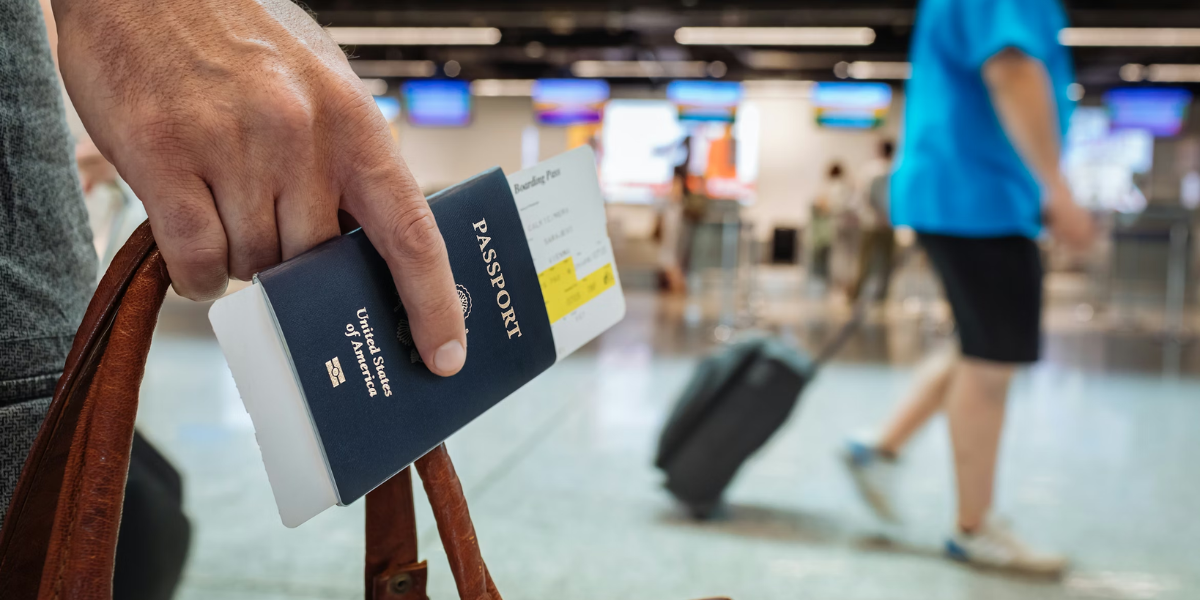
A growing number of major U.S. airlines and airport authorities are expanding the use of biometric boarding technology, marking a significant step forward in the modernization of air travel. Announced and implemented across several major hubs this week, including airports in Atlanta, Los Angeles, and Dallas, the rollout reflects a broader push to streamline passenger processing while enhancing security and efficiency.
Biometric boarding systems use facial recognition technology to verify passenger identities at the gate, replacing traditional boarding passes and manual identity checks. The technology matches a live image of a traveler with government-issued identification data already on file, allowing for faster and more seamless boarding. These systems are designed to reduce wait times and improve accuracy in identity verification, particularly in high-traffic travel environments.
Industry leaders such as Delta Air Lines, American Airlines, and United Airlines have confirmed expanded deployments of biometric systems in partnership with federal agencies. These implementations build on earlier pilot programs that began in select airports over the past several years. The systems have already processed millions of travelers, demonstrating strong accuracy rates and operational efficiency.
The expansion comes at a time when air travel demand in the United States continues to rebound and grow. Increased passenger volumes are placing pressure on airports to adopt technologies that can handle higher traffic without compromising service quality. Biometric systems are seen as a key solution, enabling airports to move passengers more quickly through critical checkpoints while maintaining consistent security standards.
From a business perspective, the adoption of biometric technology represents a substantial investment in infrastructure and innovation. Airlines and airport operators are allocating resources to upgrade hardware, integrate software systems, and train staff to manage the new processes. The market for biometric technologies in aviation is expected to grow significantly over the coming years, driven by the demand for automation and enhanced traveler experiences.
Health and safety considerations also play a role in the shift toward contactless travel solutions. The use of facial recognition reduces the need for physical interaction with documents or touchpoints, contributing to more efficient and hygienic processes in crowded transportation hubs. This aligns with broader efforts across industries to incorporate touch-free technologies into everyday operations.
At the same time, the expansion of biometric systems has prompted discussions around privacy and data protection. Technology experts and advocacy groups continue to emphasize the importance of transparency in how biometric data is collected, stored, and used. Ensuring that appropriate safeguards are in place remains a key priority as adoption increases.
In response, stakeholders have introduced measures designed to address these concerns. Many systems are structured to store data securely, with policies in place to limit retention periods where applicable. Additionally, passengers are often given the option to opt out and use traditional boarding methods, allowing for flexibility based on personal preference.
The science behind biometric systems continues to advance. Improvements in artificial intelligence and machine learning have enhanced the accuracy of facial recognition, enabling reliable performance even under varying conditions such as changes in lighting or appearance. Ongoing research in computer vision is expected to further strengthen these capabilities in the years ahead.
For travelers, the immediate impact of biometric boarding is a more streamlined airport experience. Early observations from participating airports indicate shorter boarding times and reduced congestion at gates. Many passengers report increased convenience, though levels of familiarity and comfort with the technology continue to evolve.
From a lifestyle perspective, the integration of biometric systems reflects a broader shift toward digital-first experiences. Similar technologies are already widely used in smartphones, banking, and secure access systems, and their expansion into travel represents a natural progression. As adoption grows, biometric authentication is likely to become a standard part of daily interactions.
The developments observed on April 12, 2026, highlight a key moment in the evolution of air travel in the United States. By combining technological innovation with practical application, the expansion of biometric boarding systems demonstrates how the industry is adapting to modern demands. The result is a more efficient, secure, and increasingly seamless travel experience for millions of passengers.