

Nationwide STEM and AI Learning Expansion Brings New Opportunities to Students Across the United States
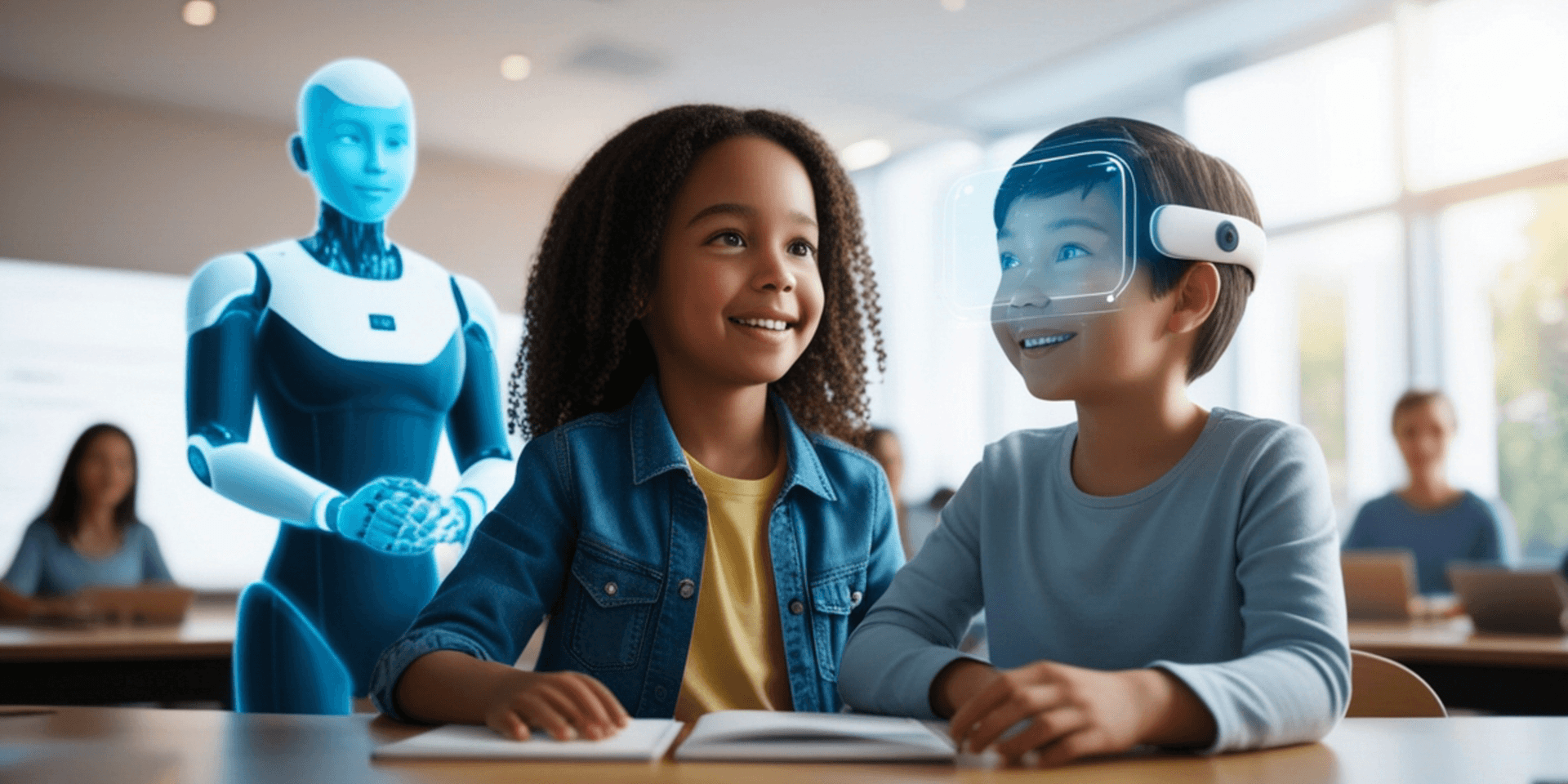
Across the United States, schools, educators, and private-sector partners are celebrating a new wave of education-focused initiatives aimed at expanding access to science, technology, engineering, and mathematics (STEM) learning. Announced this week through a coordinated coalition of education organizations and technology partners, the initiative is designed to strengthen digital literacy, introduce artificial intelligence (AI) learning tools in classrooms, and create more equitable access to advanced technical education for students of all backgrounds.
The effort reflects a growing national emphasis on preparing students for an increasingly technology-driven future, where skills in coding, data analysis, and digital problem-solving are becoming essential across industries. Rather than focusing only on traditional classroom instruction, the initiative emphasizes hands-on learning, creativity, and real-world applications of technology.
Expanding Access to Modern Learning Tools
At the center of the initiative is a commitment to ensuring that students in both urban and rural communities have access to updated digital learning resources. Participating schools are introducing new interactive platforms that allow students to explore coding, robotics, and machine learning concepts in a simplified and engaging way.
Teachers are also receiving updated training programs designed to help them integrate technology more effectively into their lesson plans. These programs focus on making complex topics more accessible, using visual learning tools and project-based instruction that encourages collaboration among students.
One of the most widely praised elements of the initiative is its emphasis on accessibility. Schools that previously faced limitations in equipment or technical infrastructure are being provided with expanded resources, including portable learning kits, cloud-based software tools, and mobile-friendly educational platforms. This approach helps ensure that students can participate regardless of geographic or economic barriers.
Encouraging Innovation and Creativity in the Classroom
Beyond technical skills, the initiative places strong importance on creativity and innovation. Students are encouraged to design their own digital projects, from interactive storytelling apps to simple AI models that can recognize patterns or solve basic problems.
Educators involved in the program report that students are showing increased engagement when learning is connected to real-world applications. Instead of focusing solely on theory, students are able to see how technology can be used to solve everyday challenges, from organizing community projects to analyzing environmental data.
School administrators have noted that this approach is helping students build confidence in their abilities. By working on projects that allow for experimentation and trial-and-error learning, students are developing resilience, critical thinking skills, and a stronger interest in pursuing further studies in STEM-related fields.
Supporting Teachers Through Professional Development
A key pillar of the initiative is professional development for teachers. Many educators are participating in workshops and training sessions designed to help them adapt to new digital tools and evolving classroom technologies.
These programs are not only focused on technical instruction but also on teaching strategies that encourage collaboration and problem-solving. Teachers are learning how to guide students through open-ended projects, where there may be multiple correct solutions rather than a single fixed answer.
This shift in teaching approach is helping create more dynamic classrooms, where students are encouraged to ask questions, test ideas, and learn through exploration. Educators have expressed that the training is helping them feel more confident in integrating technology into everyday lessons.
Strengthening Community and Industry Collaboration
Another notable aspect of the initiative is the collaboration between schools, community organizations, and technology professionals. Local workshops, mentorship programs, and virtual learning events are being organized to connect students with professionals working in science and technology fields.
These interactions provide students with valuable insight into potential career paths and help them understand how classroom learning applies to real-world industries. Many programs also include opportunities for students to present their projects to mentors, fostering a sense of accomplishment and motivation.
Community organizations are playing a supportive role by hosting learning spaces, providing volunteer instructors, and helping bridge gaps in resources for underserved areas. This collaborative model is contributing to a more inclusive learning environment nationwide.
Positive Outlook for the Future of Education
Education leaders involved in the initiative emphasize that the long-term goal is to prepare students not only for future jobs, but also for lifelong learning in a rapidly evolving technological landscape. By introducing students to modern tools and encouraging curiosity at an early age, the program aims to build a strong foundation for future innovation.
Early feedback from participating schools has been encouraging, with teachers reporting higher levels of student participation and enthusiasm in STEM-related subjects. Parents have also expressed appreciation for programs that give students practical, engaging, and future-focused learning experiences.
As the initiative continues to expand, more schools are expected to join in the coming months, further broadening access to technology education across the country. The momentum reflects a shared belief among educators and partners that investing in young learners today will help shape a more innovative and capable generation tomorrow.

Good Morning US Contributor
Covers health, consumer technology, and entertainment, tracking the stories driving the daily conversation.
This article features partner, contributor, or branded content from a third party. Members of the Good Morning US editorial staff were not involved in the creation of this content. All views and opinions are those of the contributor alone.
You May Also Like

Oliver Happy Hour: Siblings on AI and Humanity

SunKissed Greenz Expands Its Natural Wellness Mission With More Thoughtful Choices For Pets

The Assurance Network: Insurance With Heart

Money Is Not Your Problem. Your Pattern Is.

Are Kids' Shoes Hurting Growing Feet? Zebs Says Yes