

Delta Air Lines Reports Strong Second-Quarter Results Despite Record Fuel Costs
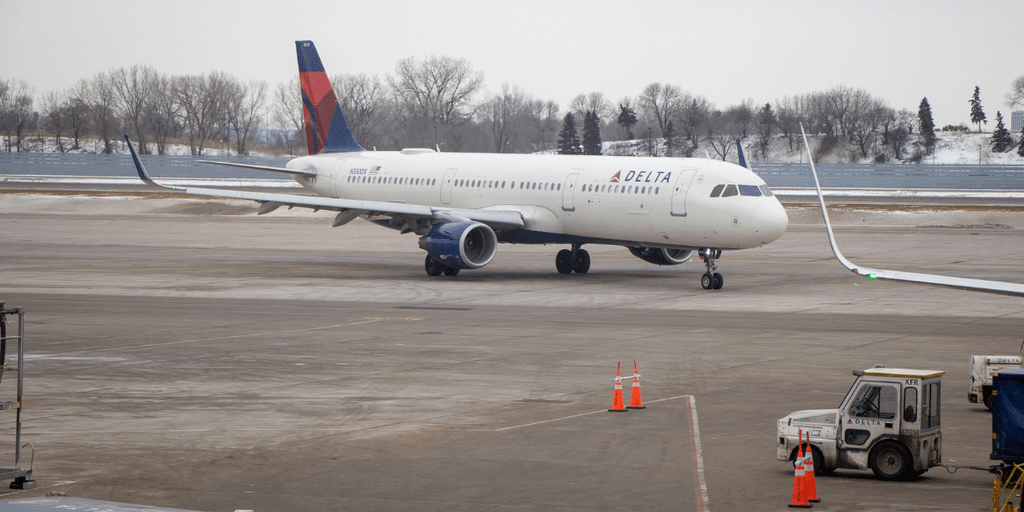
Delta Air Lines reported stronger-than-expected second-quarter financial results on Friday, July 9, demonstrating continued resilience despite record fuel expenses and broader economic uncertainty. The airline exceeded Wall Street expectations for both earnings and revenue, supported by strong demand for both leisure and business travel during the busy summer season.
The Atlanta-based carrier reported adjusted earnings of $1.56 per share on $19.76 billion in revenue, both surpassing analysts’ forecasts. Company executives noted that passenger demand remained healthy across domestic and international markets, helping offset rising operating costs during the quarter.
One of the biggest challenges facing the airline was fuel. Delta said it experienced the highest quarterly fuel expense in its history, driven largely by elevated oil and jet fuel prices. Despite those increased costs, the company maintained profitability through strong ticket sales, premium travel demand, and continued operational performance.
The airline also issued an optimistic outlook for the months ahead. Delta reaffirmed its full-year financial guidance and projected third-quarter results above analysts’ expectations, signaling confidence that travel demand will remain steady through the remainder of 2026. Company leadership cited continued consumer interest in travel, particularly premium cabin bookings and international routes, as key drivers supporting its forecast.
Delta’s quarterly earnings are closely watched because they often provide an early indication of broader trends within the travel industry. As one of the first major U.S. airlines to report financial results each earnings season, the company’s performance offers insight into consumer spending patterns, corporate travel activity, and the overall health of the aviation sector.
Investors reacted cautiously following the announcement. Although the company exceeded expectations, Delta’s shares traded modestly lower in premarket activity as markets continued weighing higher fuel costs and ongoing geopolitical developments that have affected global energy prices. Analysts noted that strong operational performance helped ease some concerns surrounding rising expenses.
The earnings report arrives as financial markets increasingly focus on second-quarter corporate results. Investors are evaluating company performance against a backdrop of inflationary pressures, evolving consumer behavior, and uncertainty surrounding future interest rate decisions. Transportation companies, including airlines, are receiving particular attention because their financial performance often reflects broader economic activity and consumer confidence.
Industry observers also highlighted Delta’s diversified revenue strategy. In addition to passenger ticket sales, the airline continues to generate significant income through premium travel offerings, loyalty programs, maintenance services, and strategic partnerships. These additional revenue streams have helped strengthen the company’s financial position during periods of higher operating costs.
The latest results underscore the continued recovery of the airline industry following years of disruption earlier in the decade. While challenges such as fuel price volatility, labor costs, and supply chain issues remain, many carriers have benefited from sustained travel demand as consumers continue prioritizing leisure experiences and businesses expand corporate travel.
Delta’s report also sets the tone for the broader airline earnings season, with investors expected to closely monitor financial results from other major U.S. carriers in the coming weeks. Their reports will help determine whether Delta’s strong performance reflects broader industry trends or company-specific strengths.
As the summer travel season reaches its peak, Delta’s latest earnings provide a snapshot of an industry balancing rising costs with steady customer demand. For travelers, investors, and industry analysts alike, the results suggest that demand for air travel remains resilient even as airlines continue navigating a challenging operating environment.

Good Morning US Contributor
Covers national politics and policy, with an eye on how decisions in Washington reach everyday households.
This article features partner, contributor, or branded content from a third party. Members of the Good Morning US editorial staff were not involved in the creation of this content. All views and opinions are those of the contributor alone.
You May Also Like

The Assurance Network: Insurance With Heart

Money Is Not Your Problem. Your Pattern Is.

Are Kids' Shoes Hurting Growing Feet? Zebs Says Yes

Castaways Bistro Enters a New Chapter in Punta Cana

When Technology Fails Care: Why Behavioral Health Can No Longer Treat IT as an Afterthought