
NASA and Research Partners Advance Artemis Preparations Through New Lunar Technology Testing
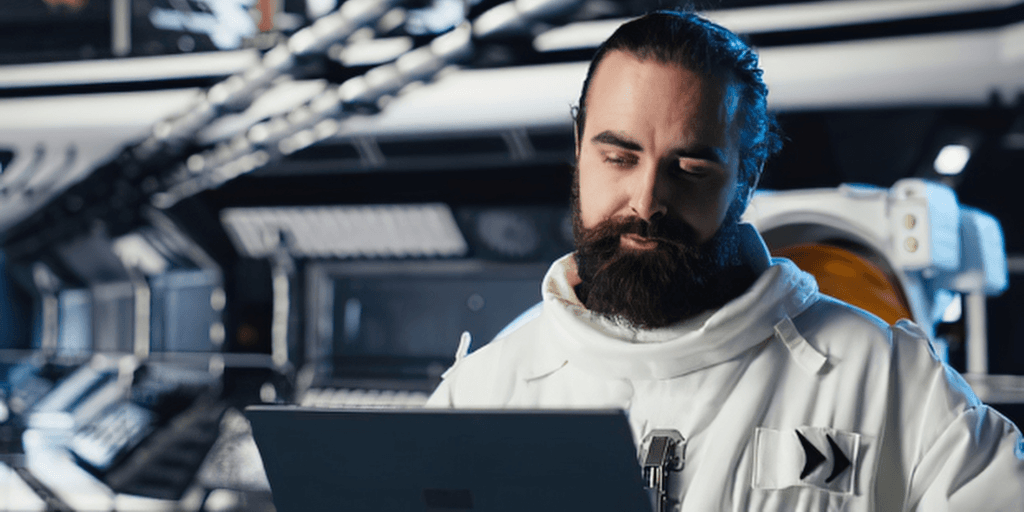
NASA and its research and industry partners continued advancing preparations for the Artemis campaign as testing and development efforts moved forward on technologies designed to support future lunar missions. Engineers across multiple NASA centers have been evaluating systems that will play important roles in returning astronauts to the Moon and establishing a sustained human presence on and around the lunar surface.
The Artemis program represents one of the United States’ most ambitious scientific and engineering initiatives in decades. Beyond landing astronauts on the Moon, the program is intended to demonstrate technologies that could eventually support future human missions to Mars while expanding scientific knowledge about the lunar environment.
Officials have emphasized that every phase of testing contributes to reducing mission risks and improving the reliability of the systems that astronauts will depend upon during future exploration missions.
Testing Focuses on Long-Term Mission Readiness
Engineers continue conducting rigorous evaluations of spacecraft components, life-support technologies, propulsion systems, and lunar surface equipment before they are approved for flight.
Unlike short-duration missions of previous decades, Artemis is designed to support increasingly complex operations that may involve astronauts spending extended periods working in lunar orbit and on the Moon’s surface.
That objective requires extensive verification of hardware under conditions that simulate the harsh environment of space, including extreme temperatures, radiation exposure, and prolonged operational demands.
NASA officials have repeatedly noted that thorough testing remains one of the most important elements of mission preparation, helping engineers identify potential improvements before flight systems are deployed.
Collaboration Drives Technological Innovation
The Artemis program brings together expertise from government agencies, private aerospace companies, universities, and international partners.
This collaborative approach allows researchers to combine scientific knowledge with engineering experience across multiple disciplines, accelerating the development of technologies needed for deep-space exploration.
Commercial partners continue contributing spacecraft components, lunar landing systems, communications technologies, and other mission-critical hardware, while academic institutions provide research supporting planetary science, robotics, and human health in space.
Science policy experts say these partnerships demonstrate how large-scale research initiatives increasingly rely on cooperation between public and private organizations to achieve ambitious goals.
Scientific Research Extends Beyond Exploration
The technologies being developed for Artemis are expected to support scientific discoveries extending far beyond the lunar missions themselves.
Researchers anticipate that instruments deployed on the Moon will improve understanding of lunar geology, the history of the solar system, and the availability of natural resources that may support future exploration.
Engineers are also studying methods for generating power, recycling water, producing oxygen, and improving habitat systems capable of supporting astronauts during longer missions.
Many of these innovations may eventually find applications on Earth in areas such as energy efficiency, environmental monitoring, advanced manufacturing, and resource management.
NASA has long emphasized that investments in space exploration often contribute to technological advances benefiting industries and communities worldwide.
Workforce Development Remains a Priority
The continued progress of the Artemis program has also strengthened interest in science, technology, engineering, and mathematics education.
Universities, research institutions, and educational organizations have expanded programs encouraging students to pursue careers in aerospace engineering, computer science, robotics, and related scientific fields.
NASA continues supporting educational outreach initiatives that introduce students to space exploration through classroom resources, internships, and partnerships with schools across the country.
Education leaders believe programs like Artemis help inspire the next generation of scientists and engineers while strengthening the nation’s long-term innovation capacity.
The growing demand for highly skilled technical professionals has also encouraged collaboration between universities and aerospace companies seeking to prepare future workforces.
Building Toward the Next Era of Space Exploration
The Artemis campaign represents more than a return to the Moon.
Officials describe the initiative as the foundation for a broader era of human exploration that includes sustained lunar operations, expanded international cooperation, and eventual crewed missions to Mars.
Each successful engineering milestone contributes to that larger objective by validating technologies and operational procedures needed for increasingly ambitious missions.
Space policy analysts note that careful preparation today can significantly improve mission safety and scientific outcomes in the years ahead.
Looking Ahead
As research and testing continue, NASA remains focused on ensuring that every component of the Artemis program meets the rigorous standards required for human spaceflight.
The work taking place in laboratories, testing facilities, and research centers across the United States reflects years of planning and collaboration among scientists, engineers, astronauts, and industry partners committed to advancing space exploration.
While future missions will capture global attention, much of their success will depend on the detailed engineering, scientific research, and technological innovation happening long before launch. Those efforts continue laying the groundwork for a new chapter in human exploration while expanding scientific knowledge that may benefit generations to come.

Good Morning US Contributor
Covers national politics and policy, with an eye on how decisions in Washington reach everyday households.
This article features partner, contributor, or branded content from a third party. Members of the Good Morning US editorial staff were not involved in the creation of this content. All views and opinions are those of the contributor alone.
You May Also Like

Money Is Not Your Problem. Your Pattern Is.

Are Kids' Shoes Hurting Growing Feet? Zebs Says Yes

Castaways Bistro Enters a New Chapter in Punta Cana
When Technology Fails Care: Why Behavioral Health Can No Longer Treat IT as an Afterthought

Christian Clothing Co. Makes Faith Wearable