
San Antonio’s Fiesta 2026 Kicks Off, Marking One of the Largest Cultural Celebrations in the United States
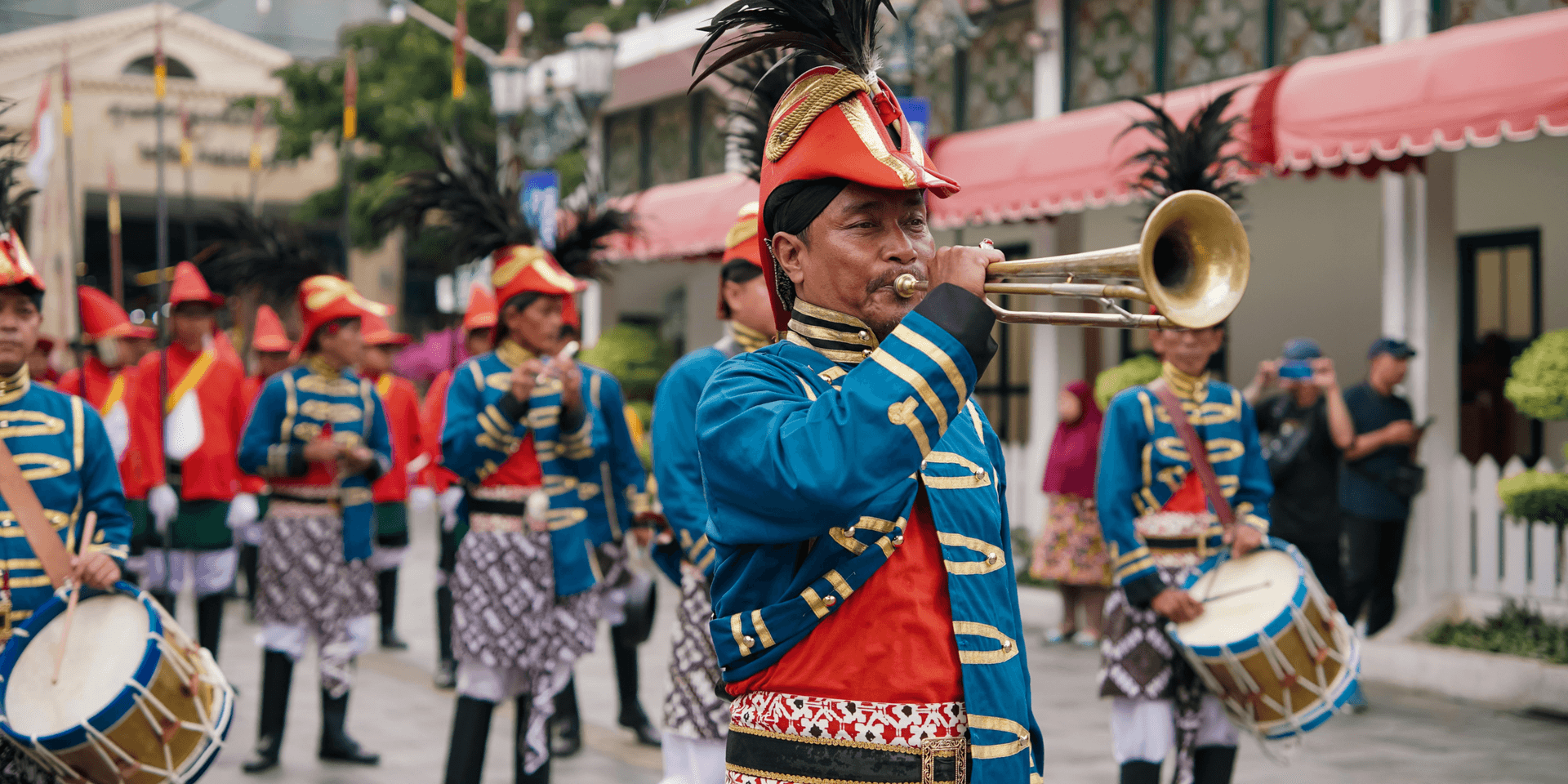
A major cultural event unfolded in the United States this week as Fiesta 2026 officially began in San Antonio, Texas, launching one of the country’s longest-running and most significant community festivals. The opening celebration, known as “Fiesta Fiesta,” drew large crowds to Travis Park and marked the start of an 11-day series of events that blend history, culture, and civic engagement.
A Historic Tradition with Deep Roots
Fiesta traces its origins back to 1891, when the first Battle of Flowers Parade was organized to honor the heroes of the Alamo and the Battle of San Jacinto. Over time, the event has evolved into a citywide celebration featuring more than 100 individual events, including parades, concerts, food fairs, and cultural exhibitions.
The 2026 kickoff reflected this rich heritage, with attendees gathering in festive attire to enjoy live music and regional cuisine. Traditions such as the use of cascarones—confetti-filled eggs—continue to symbolize the vibrant and participatory spirit of the festival.
Scale and Community Impact
Fiesta is not only a cultural celebration but also a major civic and economic event. Each year, the festival attracts hundreds of thousands of visitors and supports numerous nonprofit organizations. Proceeds from Fiesta events often go toward community programs, scholarships, and local initiatives, making it one of the most impactful annual gatherings in Texas.
The 2026 edition continues this tradition, with organizers emphasizing accessibility and inclusivity. Many events are free and family-friendly, ensuring that both residents and visitors can participate. The festival is scheduled to run through late April, offering a wide range of activities across the city.
Cultural Significance in Modern America
In today’s social landscape, large-scale public gatherings often reflect broader cultural dynamics. Fiesta stands out as a unifying event that celebrates both historical milestones and the living traditions of San Antonio’s communities. The festival highlights Mexican-American heritage and the cultural blending that defines much of the American Southwest.
Events like Fiesta play an important role in preserving cultural identity while also fostering tourism and economic growth. They provide opportunities for local artists, musicians, and small businesses to showcase their work, contributing to the broader cultural economy.
A Boost for Tourism and Local Economy
Spring festivals across the United States have seen growing travel activity, and Fiesta remains a key contributor to that trend. Increased visitor numbers drive demand for hotels, restaurants, and transportation services, providing a seasonal boost to the local economy.
San Antonio, already known for its historic landmarks and vibrant downtown, becomes an even more attractive destination during Fiesta. The combination of cultural programming and historical significance draws both domestic and international tourists, reinforcing the city’s reputation as a cultural hub.
Key Takeaways for Readers
Fiesta 2026 offers several important insights:
- Cultural traditions can evolve while preserving their historical significance.
- Community-driven events can generate meaningful social and economic impact.
- Public festivals play a vital role in supporting local economies and tourism.
- Inclusive programming helps ensure broad participation and community engagement.
Looking Ahead
As Fiesta 2026 continues through the remainder of April, strong attendance and active community participation are expected. With its blend of history, culture, and civic pride, the festival remains one of the most notable annual events in the United States.
For readers, Fiesta serves as a reminder of the enduring importance of cultural celebrations in shaping local identity and bringing communities together.

Good Morning US Contributor
Covers health, consumer technology, and entertainment, tracking the stories driving the daily conversation.
This article features partner, contributor, or branded content from a third party. Members of the Good Morning US editorial staff were not involved in the creation of this content. All views and opinions are those of the contributor alone.
You May Also Like

Scientists and Technology Companies Commit $1.8 Billion to AI-Based Biology Research

Kully Bath: A Voice for the Unseen

Diana Sussman Unveils The Texter’s Secret, Her Latest Maddie Mystery

Michael J. Bannach: The Most Expensive IT Plan Is the One Without an Agreement
Michelle Bishop: Choose You First and Thrive