

NASA Advances Artemis II Preparations as Crewed Moon Mission Nears Historic Milestone
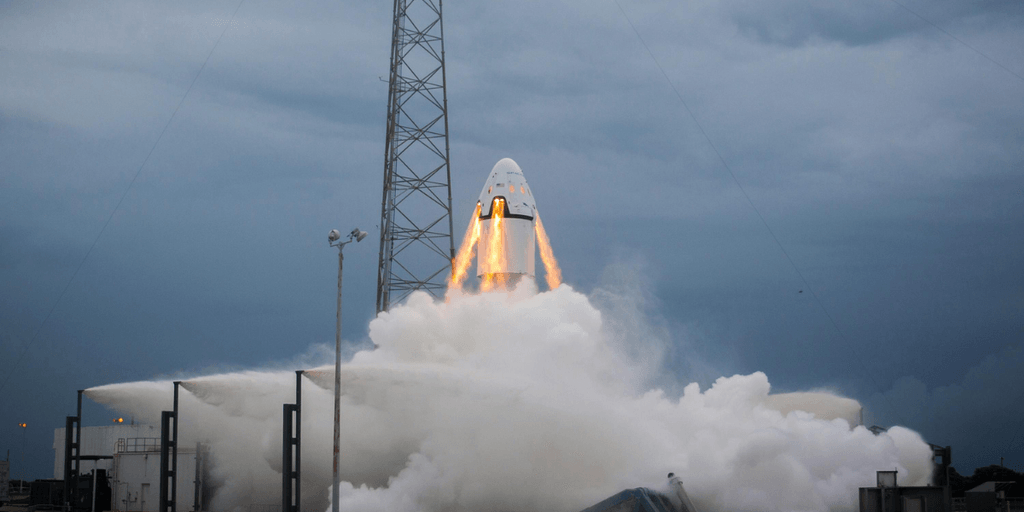
NASA has reached a major milestone this month in its preparations for Artemis II, the first crewed mission in the Artemis program and a pivotal step toward returning humans to the Moon. Engineers and mission teams confirmed in mid-April 2026 that final integrated testing of the Space Launch System (SLS) rocket and Orion spacecraft has entered its last phase at Kennedy Space Center in Florida, marking one of the most significant developments in U.S. space exploration this year.
The Artemis II mission, scheduled for launch in 2026, will carry four astronauts on a lunar flyby, traveling farther from Earth than any human crew since the Apollo era. Unlike the uncrewed Artemis I test flight completed in late 2022, Artemis II will validate life-support systems, onboard navigation, and crew operations in deep space—critical components for future lunar landings.
Final Testing Phase Underway
According to NASA’s latest updates, teams have successfully completed key systems checks, including propulsion integration, avionics validation, and environmental control testing inside the Orion capsule. Engineers are now conducting end-to-end “wet dress rehearsals,” where the fully assembled rocket is fueled and run through a simulated countdown without liftoff.
This stage is essential to identify any final technical issues before the mission proceeds to launch readiness. NASA officials emphasized that safety remains the top priority, noting that each system undergoes rigorous verification before approval.
“Every milestone brings us closer to safely sending astronauts back into deep space,” NASA stated in a recent mission briefing.
Why Artemis II Matters
Artemis II is more than just a test flight—it represents the United States’ return to human lunar exploration after more than 50 years. The last crewed Moon mission, Apollo 17, took place in 1972. Since then, advancements in technology, materials science, and computing have transformed how space missions are designed and executed.
The Artemis program aims to establish a sustainable human presence on the Moon, with Artemis III expected to land astronauts on the lunar surface. Artemis II serves as the bridge between initial testing and operational missions, ensuring that all systems can safely support human life beyond low Earth orbit.
Key objectives of Artemis II include testing life-support systems in deep space conditions, evaluating crew performance during extended missions, demonstrating safe re-entry into Earth’s atmosphere at high speeds, and verifying communication systems between spacecraft and ground control.
Broader Impact on Science and Technology
The progress of Artemis II has implications far beyond space exploration. The technologies being developed for the mission—such as advanced propulsion systems, radiation shielding, and autonomous navigation—have potential applications in industries ranging from aviation to healthcare.
Additionally, the Artemis program is fostering collaboration between NASA and private aerospace companies, contributing to the growth of the commercial space sector. Companies involved in manufacturing, software, and logistics are playing a critical role in supporting mission infrastructure.
The program also supports a wide network of jobs across the United States and contributes significantly to the national economy through research, development, and industrial partnerships.
International and Educational Significance
While Artemis II is a U.S.-led mission, it is part of a broader international effort. NASA continues to collaborate with global partners, including the European Space Agency (ESA), which has contributed service modules for the Orion spacecraft.
The mission also carries strong educational and inspirational value. NASA has expanded outreach programs tied to Artemis, encouraging students to pursue careers in science, technology, engineering, and mathematics (STEM). Schools and universities across the country are incorporating Artemis-related content into curricula, highlighting the mission’s role in shaping the future workforce.
What Comes Next
With final testing underway, NASA is expected to confirm a more precise launch window in the coming months. If successful, Artemis II will pave the way for Artemis III, which aims to land astronauts near the Moon’s south pole—a region of particular scientific interest due to the presence of water ice.
NASA officials caution that timelines may shift depending on test results, but the agency remains optimistic about maintaining its 2026 launch target.
Key Takeaways for Readers
Artemis II represents the first crewed mission to the Moon in over five decades. The ongoing testing phase in April 2026 marks a critical step toward launch readiness. The mission will validate essential systems needed for future lunar landings while contributing to technological innovation, economic activity, and international collaboration. It is also expected to inspire a new generation of scientists and engineers.
Category: Science

Good Morning US Contributor
Covers world affairs and science, connecting research and foreign policy to the readers they affect.
This article features partner, contributor, or branded content from a third party. Members of the Good Morning US editorial staff were not involved in the creation of this content. All views and opinions are those of the contributor alone.
You May Also Like

Beyond Hormones: What Science Is Revealing About Botanicals and Women's Midlife Health

Troy Allen Is Building a Psychedelic Business Around Trust

Turning Your Life Savings Into a Retirement Plan

Water Guys Reveals The Hidden Costs Of Hard Water For Homeowners In Eastern Washington And North Idaho

Scientists and Technology Companies Commit $1.8 Billion to AI-Based Biology Research