

2026 Atlantic Hurricane Season Begins with a Strong Focus on Preparedness and Community Resilience
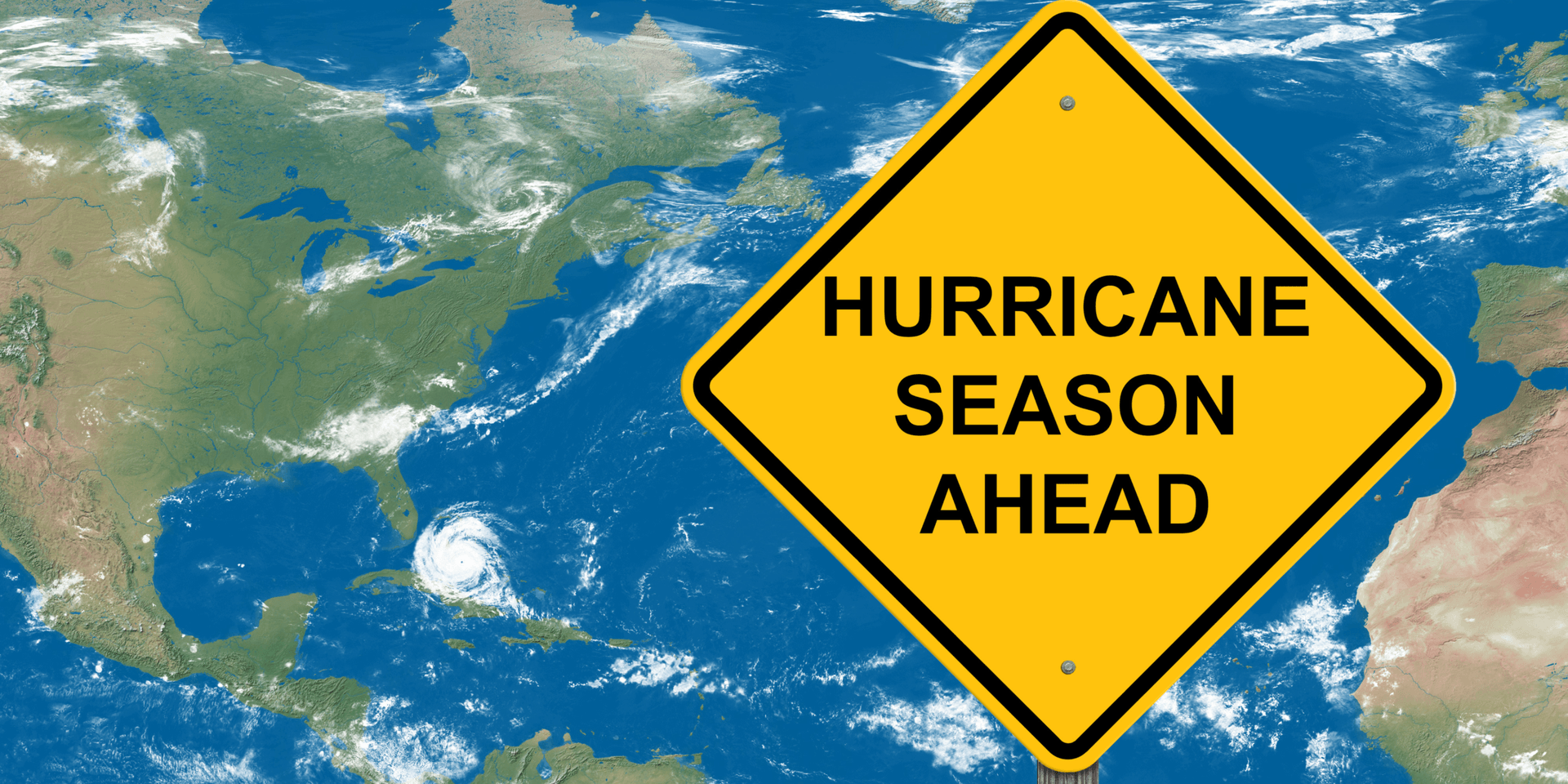
As the 2026 Atlantic hurricane season officially begins on June 1, communities across the United States are embracing a proactive approach to safety, preparedness, and resilience. The annual start of hurricane season serves as an important opportunity for residents, emergency management agencies, meteorologists, and local leaders to work together in strengthening readiness for the months ahead.
Running from June 1 through November 30, the Atlantic hurricane season is a well-established period during which weather experts closely monitor tropical activity across the Atlantic Ocean, Caribbean Sea, and Gulf of Mexico. While hurricanes and tropical storms can present challenges, advances in forecasting technology, emergency planning, and public awareness continue to help communities better prepare for severe weather events.
This year’s season begins with encouraging signs of preparedness nationwide. Federal, state, and local agencies have spent months coordinating response plans, conducting training exercises, and educating the public about hurricane safety. These efforts reflect a growing commitment to protecting lives, supporting communities, and improving disaster readiness before storms develop.
One of the most positive developments in recent years has been the significant improvement in weather forecasting capabilities. Modern satellites, advanced computer models, ocean-monitoring systems, and specialized hurricane reconnaissance aircraft provide meteorologists with more accurate and timely information than ever before. These technological advancements allow forecasters to track developing storms with greater precision, giving communities valuable time to prepare and make informed decisions.
Emergency management officials are also highlighting the importance of community engagement. Across hurricane-prone regions, residents are reviewing emergency plans, updating supply kits, and learning more about local resources available during severe weather situations. Schools, businesses, healthcare providers, and nonprofit organizations are participating in preparedness initiatives designed to strengthen local resilience and improve coordination during emergencies.
Preparedness efforts extend far beyond coastal areas. Experts note that hurricanes can bring heavy rainfall, flooding, and strong winds hundreds of miles inland. As a result, communities throughout the eastern and southern United States are encouraged to stay informed and remain aware of changing weather conditions throughout the season.
Another encouraging trend is the growing emphasis on resilience and long-term planning. Many communities have invested in stronger infrastructure, improved drainage systems, enhanced communication networks, and updated emergency response procedures. These improvements help reduce potential disruptions while supporting faster recovery efforts when severe weather occurs.
The start of hurricane season also highlights the dedication of the scientists, meteorologists, emergency responders, and public servants who work year-round to keep communities safe. Their efforts help ensure that critical information reaches the public quickly and accurately, allowing individuals and families to make informed decisions when weather conditions change.
For many Americans, June 1 serves as a practical reminder to review preparedness plans and take simple preventive measures. Actions such as securing important documents, checking emergency supplies, and understanding local evacuation procedures can contribute to greater peace of mind throughout the season. These steps are especially effective when taken early, before any specific storm threatens an area.
The beginning of the 2026 Atlantic hurricane season is ultimately a story of readiness, innovation, and community cooperation. While weather events cannot be controlled, preparation and planning continue to empower communities to respond more effectively and recover more quickly when challenges arise.
As the season gets underway, experts encourage residents to remain informed through trusted weather updates and local emergency management guidance. With strong preparation efforts already in place and continued advances in forecasting technology, communities across the United States are entering the 2026 hurricane season with greater awareness, confidence, and resilience than ever before.
The season’s official start serves as a positive reminder that preparedness is one of the most powerful tools available to individuals and communities. By working together, staying informed, and planning ahead, Americans can continue building safer and stronger communities for the months ahead.

Good Morning US Contributor
Covers world affairs and science, connecting research and foreign policy to the readers they affect.
This article features partner, contributor, or branded content from a third party. Members of the Good Morning US editorial staff were not involved in the creation of this content. All views and opinions are those of the contributor alone.
You May Also Like

Michael J. Bannach: The Most Expensive IT Plan Is the One Without an Agreement

Michelle Bishop: Choose You First and Thrive

Oliver Happy Hour: Siblings on AI and Humanity

SunKissed Greenz Expands Its Natural Wellness Mission With More Thoughtful Choices For Pets
The Assurance Network: Insurance With Heart