

NASA’s New Deep Space Telescope Captures Stunning Images That Could Transform Our Understanding of the Universe
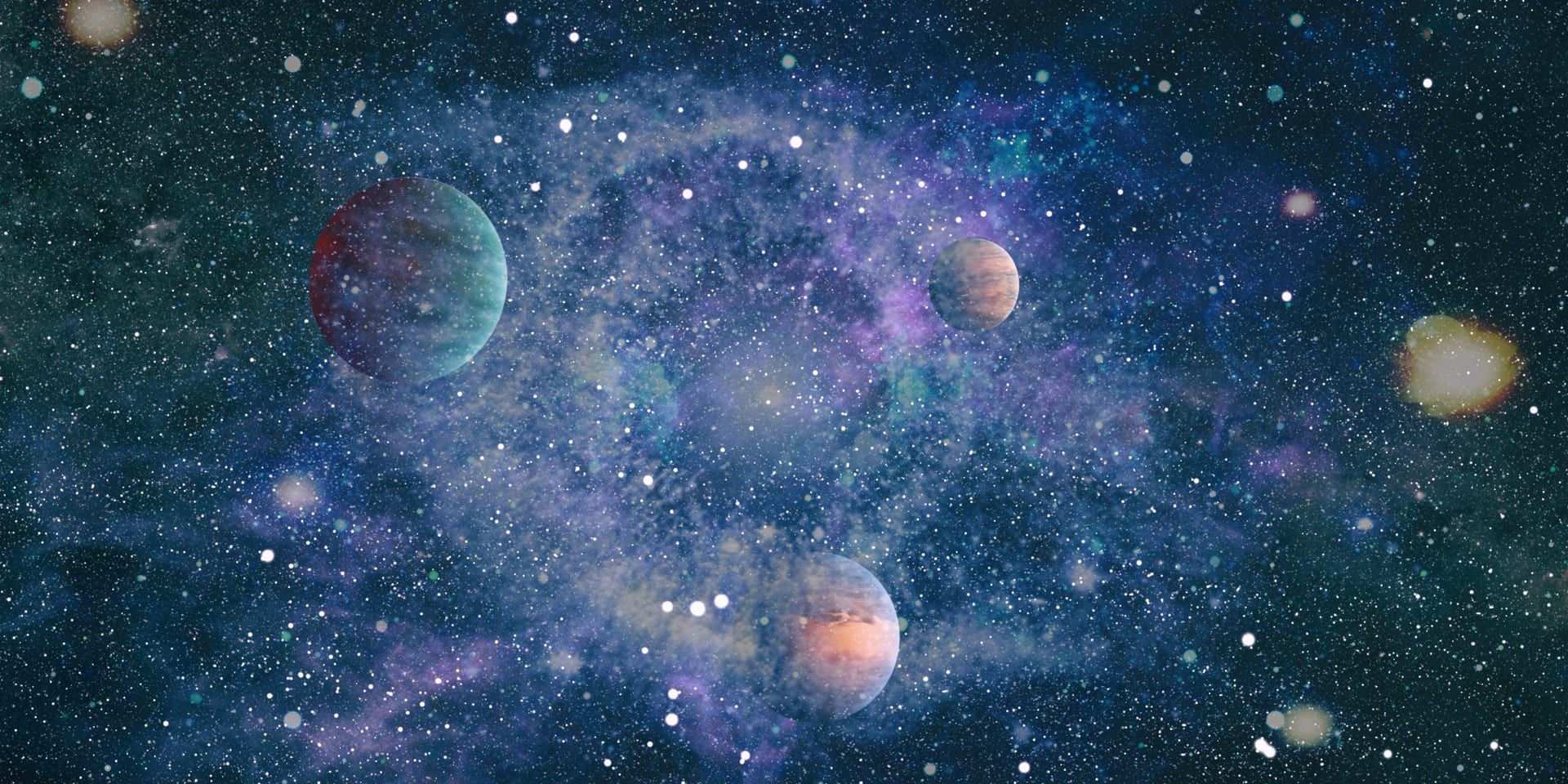
NASA announced a major scientific breakthrough in May 2026 after releasing the first full set of images captured by its newest deep space telescope, offering researchers and the public an extraordinary new view of distant galaxies, star-forming regions, and unexplored cosmic structures. Scientists say the early results could help answer long-standing questions about how the universe evolved and how stars and planetary systems are formed.
The telescope, launched as part of an international collaboration involving NASA, the European Space Agency (ESA), and several research institutions, was designed to observe deep regions of space with unprecedented clarity. Using advanced infrared imaging technology, the observatory can detect faint light from objects billions of light-years away, allowing astronomers to look further back in time than many previous missions.
Officials from NASA described the first wave of images as one of the most exciting milestones in modern space exploration. The released photographs include massive spiral galaxies, glowing nebulae, dense star clusters, and previously hidden regions where new stars are actively forming. Researchers noted that the telescope’s instruments are performing beyond expectations during the early phase of the mission.
One image drawing significant attention from scientists shows a distant galaxy cluster whose light has traveled for billions of years before reaching Earth. Experts believe studying these ancient formations may help researchers better understand the earliest stages of the universe following the Big Bang. Another series of images captured highly detailed views of interstellar gas clouds where stars are born, revealing structures never before seen with such precision.
Astronomers say the telescope’s infrared capabilities are especially important because they allow scientists to observe objects hidden behind cosmic dust. Traditional optical telescopes often struggle to see through dense dust clouds, but infrared imaging can reveal what lies beyond them. This technology is expected to lead to discoveries involving black holes, exoplanets, and distant galaxies that were previously difficult to study.
The mission has generated excitement not only within the scientific community but also among educators and students across the United States. Schools, universities, and science organizations have already begun using the newly released images in astronomy and physics programs. NASA officials emphasized that public access to the images is intended to inspire future generations of scientists, engineers, and explorers.
Experts believe the telescope may also contribute to the growing search for potentially habitable planets beyond Earth. By studying the atmospheres of distant exoplanets, researchers hope to identify chemical signatures that could suggest the presence of water or conditions favorable for life. While scientists caution that such research remains in its early stages, the new telescope significantly expands humanity’s ability to study distant planetary systems.
The project represents years of planning, engineering, and international cooperation. Thousands of scientists, technicians, and aerospace professionals contributed to the development of the telescope and its supporting systems. NASA officials praised the teamwork involved in bringing the mission from concept to reality, describing it as an example of how scientific collaboration can advance global knowledge.
Beyond the scientific achievements, the release of the images sparked widespread public interest online, where millions of viewers shared and discussed the photographs. Many social media users described the images as inspiring and emotional, highlighting humanity’s continued curiosity about the universe and our place within it.
Science educators say moments like this help strengthen public engagement with science and technology. Interest in astronomy often increases after major space discoveries, encouraging young students to pursue careers in STEM fields such as engineering, mathematics, and physics. Universities and research centers across the country reported increased interest in astronomy-related educational content following NASA’s announcement.
Researchers expect the telescope to continue delivering new discoveries throughout 2026 and beyond. Upcoming observation campaigns will focus on distant galaxies, supernova remnants, and nearby planetary systems. Scientists anticipate that the mission could reshape current theories about the structure and history of the universe while opening entirely new areas of research.
For many Americans, the images serve as a reminder of the power of scientific exploration and innovation. As the telescope continues its mission far beyond Earth, researchers hope its discoveries will deepen humanity’s understanding of space while inspiring future generations to continue exploring the unknown.

Good Morning US Contributor
Covers world affairs and science, connecting research and foreign policy to the readers they affect.
This article features partner, contributor, or branded content from a third party. Members of the Good Morning US editorial staff were not involved in the creation of this content. All views and opinions are those of the contributor alone.
You May Also Like

Money Is Not Your Problem. Your Pattern Is.

Are Kids' Shoes Hurting Growing Feet? Zebs Says Yes

Castaways Bistro Enters a New Chapter in Punta Cana

When Technology Fails Care: Why Behavioral Health Can No Longer Treat IT as an Afterthought

Christian Clothing Co. Makes Faith Wearable