

Artemis II Mission Marks a Historic Return to Deep Space Exploration
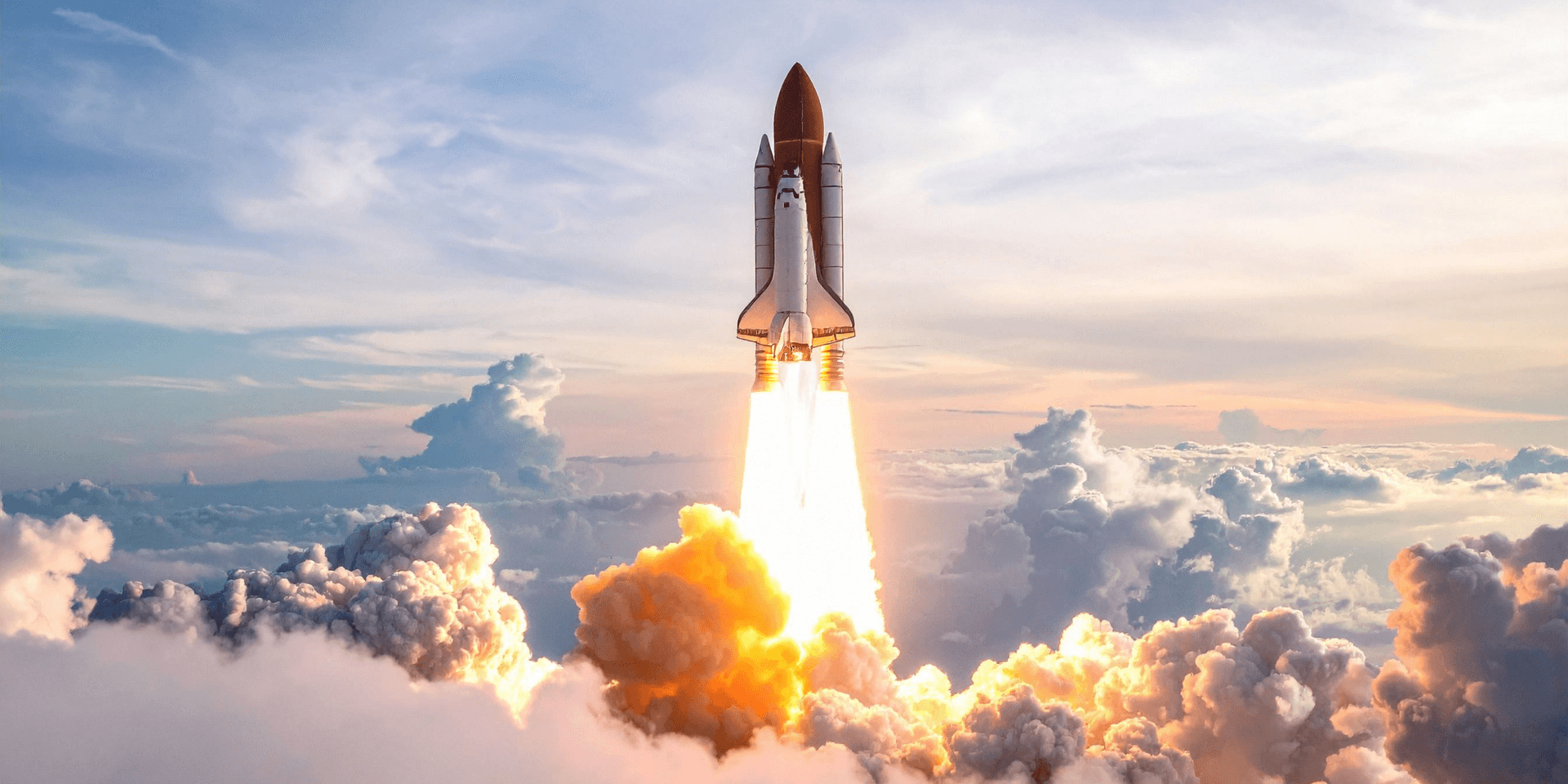
The United States reached another milestone in space exploration this month as NASA’s Artemis II mission continued its historic journey around the Moon, marking the first crewed mission beyond low Earth orbit in more than five decades. The mission, which launched in April 2026, has remained one of the most significant science and technology stories in the United States throughout May, drawing worldwide attention to NASA’s long-term plans for lunar exploration and future human missions to Mars.
Artemis II is the first crewed mission in NASA’s Artemis program, which aims to establish a sustained human presence on the Moon for the first time since the Apollo era. The four-member crew traveled aboard the Orion spacecraft, powered into space by NASA’s Space Launch System (SLS), the agency’s most powerful rocket ever developed. The mission represents a major technological achievement for the United States and highlights renewed international interest in space exploration.
According to NASA, Artemis II was designed to test the Orion spacecraft’s life-support systems, navigation capabilities, and deep-space performance with astronauts onboard before future lunar landing missions take place. The crew conducted multiple system checks and scientific evaluations while orbiting the Moon and traveling farther from Earth than any humans have gone since the Apollo missions ended in 1972.
One of the most widely discussed moments of the mission came when the crew passed around the far side of the Moon, temporarily losing direct communication with Earth before reconnecting successfully. NASA officials described the event as a critical operational milestone and an important demonstration of the spacecraft’s readiness for future lunar landing missions.
The Artemis program has become a central component of the United States’ broader space strategy. NASA has repeatedly emphasized that the Moon serves as a testing ground for technologies and operational systems needed for eventual crewed missions to Mars. Artemis II follows the uncrewed Artemis I mission, which successfully orbited the Moon in late 2022 and validated key spacecraft systems.
NASA Administrator Bill Nelson said in previous agency statements that Artemis missions are intended not only to advance scientific research but also to inspire a new generation of engineers, scientists, and astronauts. The agency has also stressed the international nature of the program, with contributions from commercial aerospace companies and global partners including the European Space Agency, the Canadian Space Agency, and the Japan Aerospace Exploration Agency.
The mission has generated strong public interest across the United States, particularly because it symbolizes a new chapter in American spaceflight after years of development delays and rising program costs. Space enthusiasts gathered at launch sites and science centers nationwide, while educational institutions used the mission as an opportunity to promote science, technology, engineering, and mathematics education.
Beyond its symbolic value, Artemis II carries substantial scientific and economic significance. NASA officials believe that sustained lunar exploration could support future research into resource extraction, long-duration human habitation, and advanced robotics. Technologies tested during Artemis missions may also contribute to innovations in telecommunications, computing, energy systems, and spacecraft engineering.
Commercial aerospace companies have also played a major role in the Artemis program. Contractors including Lockheed Martin, Boeing, Northrop Grumman, and SpaceX have contributed to spacecraft systems, launch infrastructure, and future lunar landing technologies. Analysts say the growing collaboration between NASA and private industry reflects a broader transformation in the U.S. space sector, where government agencies increasingly rely on commercial partnerships to expand exploration capabilities.
Despite the excitement surrounding Artemis II, the program still faces long-term challenges. Budget concerns, technical complexity, and scheduling pressures remain significant issues for NASA as it prepares for future missions, including Artemis III, which is expected to attempt the first crewed lunar landing of the modern era. Some experts have also noted the difficulty of maintaining political and financial support for large-scale space initiatives over many years.
Even so, the success of Artemis II has strengthened confidence in NASA’s ability to carry out future deep-space missions. Aerospace experts say the mission demonstrates that the United States remains a global leader in advanced space exploration technology. The mission has also renewed public conversations about humanity’s future beyond Earth and the scientific opportunities that lunar exploration could unlock.
As Artemis II continues to make headlines throughout May 2026, the mission stands as one of the year’s defining science and technology achievements in the United States. More than a symbolic return to the Moon, it represents a broader effort to expand human exploration deeper into space while advancing scientific knowledge and international cooperation.

Good Morning US Contributor
Covers world affairs and science, connecting research and foreign policy to the readers they affect.
This article features partner, contributor, or branded content from a third party. Members of the Good Morning US editorial staff were not involved in the creation of this content. All views and opinions are those of the contributor alone.
You May Also Like

Money Is Not Your Problem. Your Pattern Is.

Are Kids' Shoes Hurting Growing Feet? Zebs Says Yes

Castaways Bistro Enters a New Chapter in Punta Cana

When Technology Fails Care: Why Behavioral Health Can No Longer Treat IT as an Afterthought

Christian Clothing Co. Makes Faith Wearable