
NASA and SpaceX Advance U.S. Space Research With New ISS Resupply Mission
NASA and SpaceX successfully moved forward this week with preparations for another major International Space Station (ISS) resupply mission, highlighting continued progress in American space exploration and scientific innovation. The upcoming launch represents an important step in supporting astronauts aboard the ISS while expanding research that could benefit millions of people on Earth.
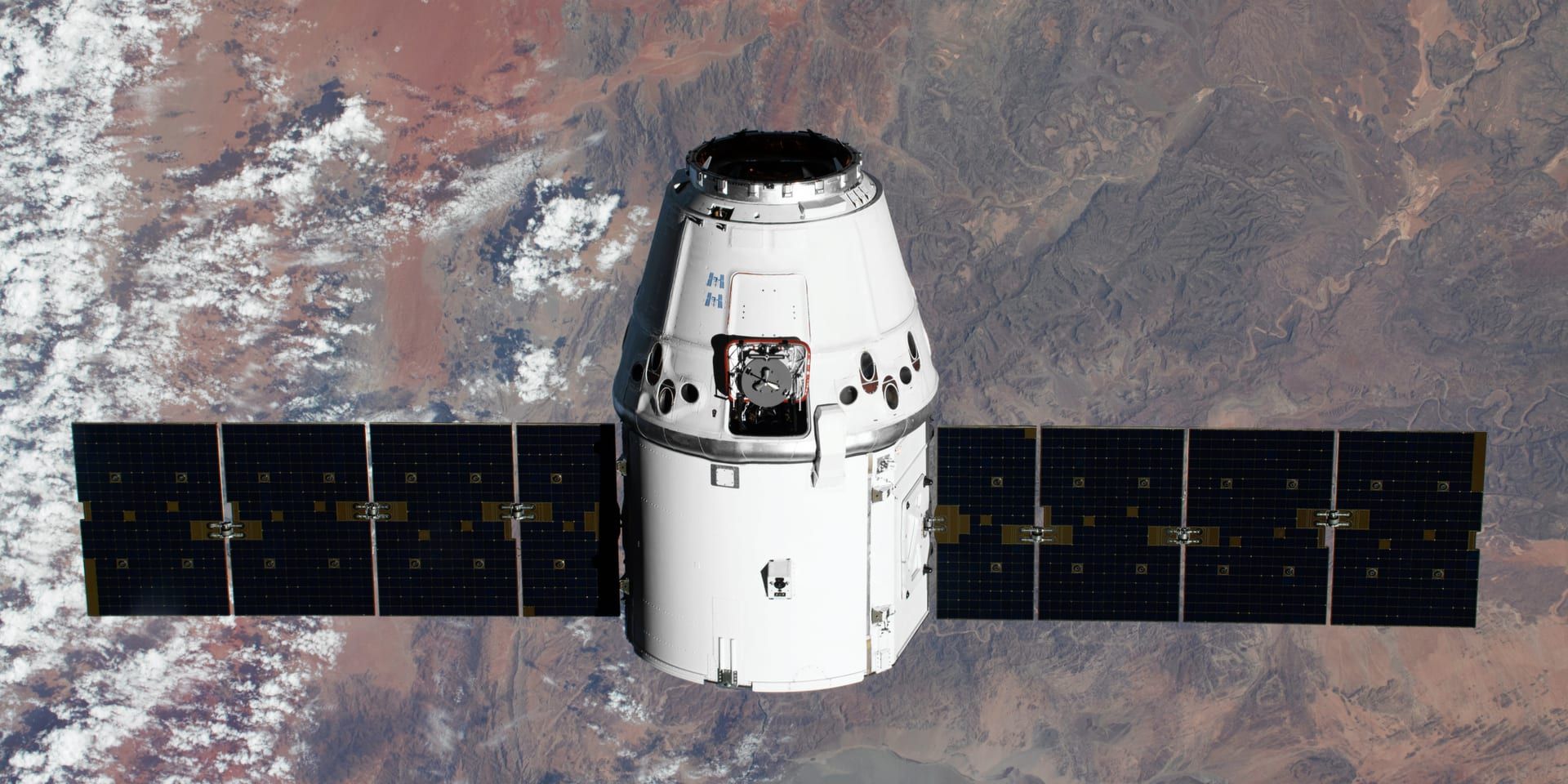
Scheduled from NASA’s Kennedy Space Center in Florida, the mission will send a SpaceX Dragon spacecraft carrying scientific equipment, crew supplies, food, and research materials to the orbiting laboratory. The launch underscores the growing strength of partnerships between government agencies and private aerospace companies, a collaboration that has transformed the future of spaceflight in the United States.
The International Space Station has remained one of the world’s most important scientific laboratories for more than two decades. Orbiting roughly 250 miles above Earth, the station allows researchers to conduct experiments in microgravity, creating opportunities to study science in ways impossible under normal Earth conditions. Each cargo mission helps ensure that astronauts can continue these groundbreaking investigations safely and effectively.
Among the most exciting aspects of this latest mission are the scientific studies focused on improving life on Earth. Researchers are using the ISS to better understand human health, plant growth, and advanced engineering systems. Some of the experiments aboard the mission aim to support future medical discoveries, improve food production technologies, and contribute to sustainable living solutions for future generations.
NASA officials have repeatedly emphasized that many everyday innovations trace their origins to space research. Technologies first developed for space missions have helped improve medical devices, water purification systems, communications technology, and weather forecasting. Continued investment in scientific missions aboard the ISS may lead to even more practical benefits for communities across the country and around the world.
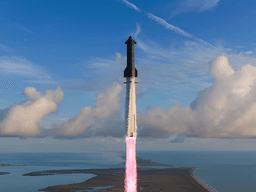
The mission also demonstrates the reliability and efficiency of reusable rocket technology. SpaceX’s Falcon 9 rocket has become a symbol of modern aerospace advancement, helping reduce launch costs while increasing the frequency of missions to orbit. The company’s reusable systems allow rockets to safely return to Earth after launch, making future missions more sustainable and cost-effective.
For many Americans, the growing pace of space exploration has become a source of inspiration and national pride. NASA’s partnerships with commercial companies have opened new opportunities for innovation, job creation, and scientific achievement. Engineers, scientists, and technicians across the United States continue working together to expand humanity’s understanding of space while developing technologies that improve life on Earth.
The resupply mission also supports astronauts currently living and working aboard the ISS. In addition to research materials, the Dragon spacecraft will carry important maintenance equipment and personal supplies for the international crew. These missions play a critical role in maintaining the health, safety, and productivity of astronauts during long-duration stays in orbit.
Public interest in space exploration has steadily grown in recent years as NASA advances plans for future lunar missions through the Artemis program. The agency hopes to return astronauts to the Moon and eventually prepare for future missions to Mars. Experts view the International Space Station as a vital testing ground for these long-term goals, helping scientists study how humans adapt to extended time in space.
Education and inspiration are also key parts of NASA’s mission. Space launches often attract millions of viewers worldwide, encouraging students to explore careers in science, technology, engineering, and mathematics. Many educators believe renewed excitement surrounding space exploration is helping inspire a new generation of innovators and problem-solvers.
The mission reflects a broader trend of optimism in the aerospace industry, where public and private collaboration continues driving rapid progress. From advanced robotics to sustainable spacecraft systems, modern space programs are creating opportunities that once seemed impossible only a generation ago.
As preparations continue for launch, the upcoming mission stands as another reminder of the remarkable achievements possible through scientific cooperation, innovation, and determination. With each successful mission to the International Space Station, researchers move closer to discoveries that may shape the future of medicine, technology, and human exploration for years to come.

Good Morning US Contributor
Covers world affairs and science, connecting research and foreign policy to the readers they affect.
This article features partner, contributor, or branded content from a third party. Members of the Good Morning US editorial staff were not involved in the creation of this content. All views and opinions are those of the contributor alone.
You May Also Like

John David Gregory And The Story Behind The Faceless Man

Why Bugs Keep Coming Back Inside the House, Even After You Spray

TrashHelp North Florida Makes Junk Removal Simple
SpaceX Starship Reaches Orbit for the First Time and Deploys Starlink Satellites

OpenAI Pauses Training of Latest AI Models After Agents Act Unexpectedly on Government Websites