
NOAA Launches New Hurricane Preparedness Tools Ahead of 2026 Season
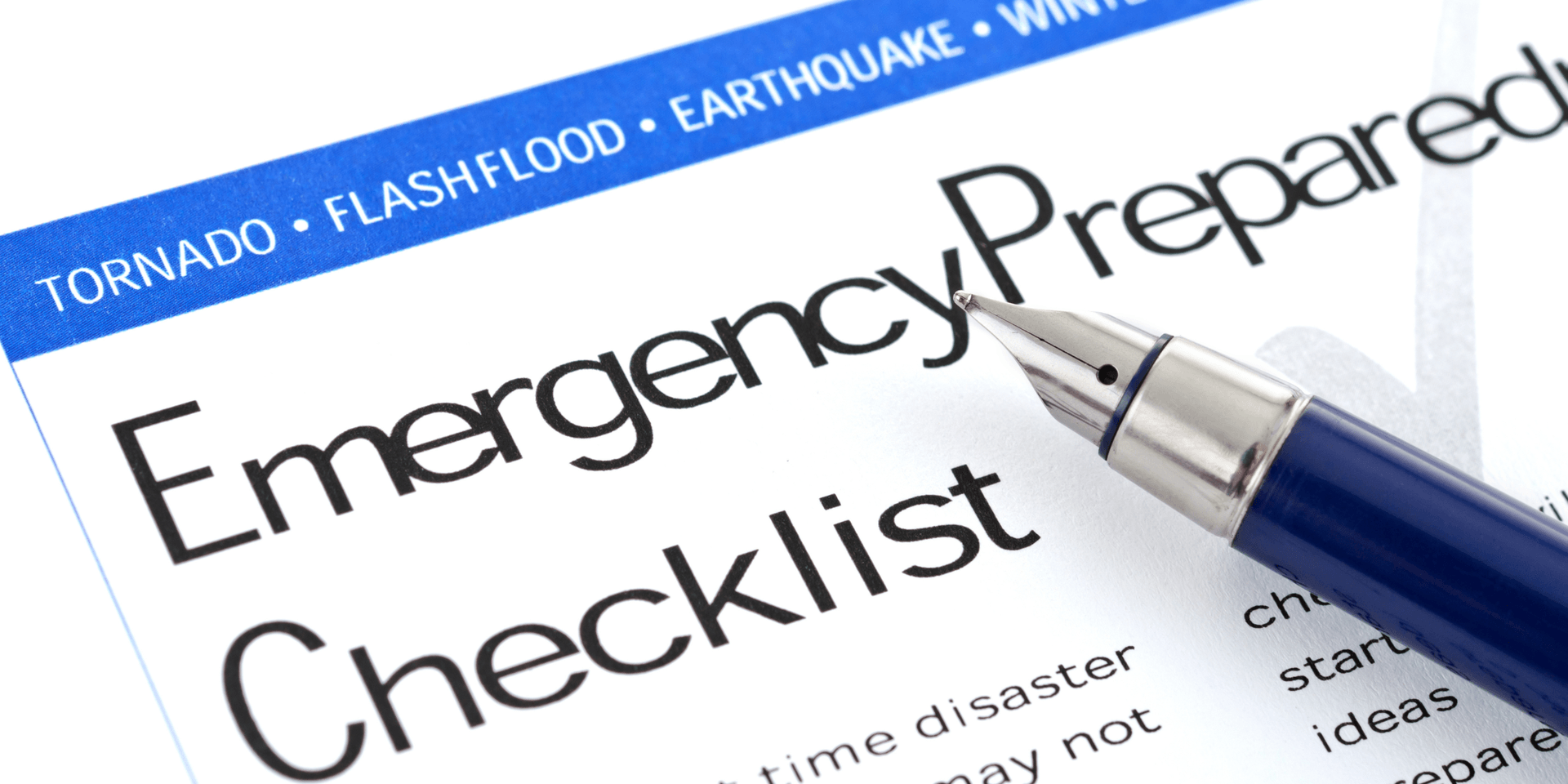
As the 2026 Atlantic hurricane season approaches, federal weather agencies across the United States are introducing new forecasting technology and public safety tools designed to help Americans stay informed and prepared. The updates, announced this week by the National Oceanic and Atmospheric Administration (NOAA) and the National Hurricane Center (NHC), reflect continued advancements in weather science and emergency communication.
The Atlantic hurricane season officially begins on June 1 and runs through November 30 each year. While meteorologists are still monitoring long-range weather patterns, officials say the latest improvements aim to make forecasts easier to understand and provide communities with earlier, clearer warnings when severe weather develops.
One of the most notable enhancements for 2026 is NOAA’s updated hurricane forecast graphics. The improved maps now display inland tropical storm and hurricane alerts more clearly, helping residents far from the coast recognize that storms can still bring heavy rainfall, flooding, and strong winds well inland.
Weather experts say these updates are part of a broader effort to make storm information more accessible for families, businesses, schools, and local governments. By simplifying forecast visuals and increasing public awareness, agencies hope Americans can make quicker and more confident decisions during severe weather events.
NOAA is also expanding the use of advanced forecasting systems powered by artificial intelligence and high-performance computing. These tools allow meteorologists to process weather data more efficiently and improve predictions involving storm paths and intensification. Scientists say the technology has already helped improve forecast accuracy in recent years, giving communities more time to prepare before storms arrive.
In addition to new technology, federal agencies are continuing nationwide preparedness campaigns focused on safety education. Emergency management officials encourage households to review emergency plans, update supply kits, and stay connected to official weather alerts throughout the season.
The National Hurricane Center has also resumed regular tropical weather outlooks ahead of the season’s start. These updates provide residents with daily information on developing weather systems across the Atlantic Basin and surrounding regions.
Experts emphasize that preparation remains one of the most effective ways to reduce storm-related risks. Communities along the Gulf Coast, East Coast, and Caribbean regions have increasingly adopted stronger building practices, improved emergency response systems, and expanded public awareness programs in recent years.
Meteorologists are optimistic that continued investments in science and communication will help further strengthen public safety nationwide. The combination of advanced forecasting tools, improved warning systems, and greater community preparedness reflects how technology and education are working together to better protect lives and property.
As Americans prepare for the months ahead, NOAA officials say the goal is simple: provide accurate information early, support informed decision-making, and help communities remain resilient during hurricane season.
With new tools now in place and public awareness efforts underway, the 2026 hurricane season is beginning with a strong focus on preparedness, innovation, and community safety.

Good Morning US Contributor
Covers world affairs and science, connecting research and foreign policy to the readers they affect.
This article features partner, contributor, or branded content from a third party. Members of the Good Morning US editorial staff were not involved in the creation of this content. All views and opinions are those of the contributor alone.
You May Also Like

Money Is Not Your Problem. Your Pattern Is.

Are Kids' Shoes Hurting Growing Feet? Zebs Says Yes

Castaways Bistro Enters a New Chapter in Punta Cana
When Technology Fails Care: Why Behavioral Health Can No Longer Treat IT as an Afterthought

Christian Clothing Co. Makes Faith Wearable