

U.S. Space Industry Expands Commercial Launch Capabilities as Demand for Satellite Services Grows
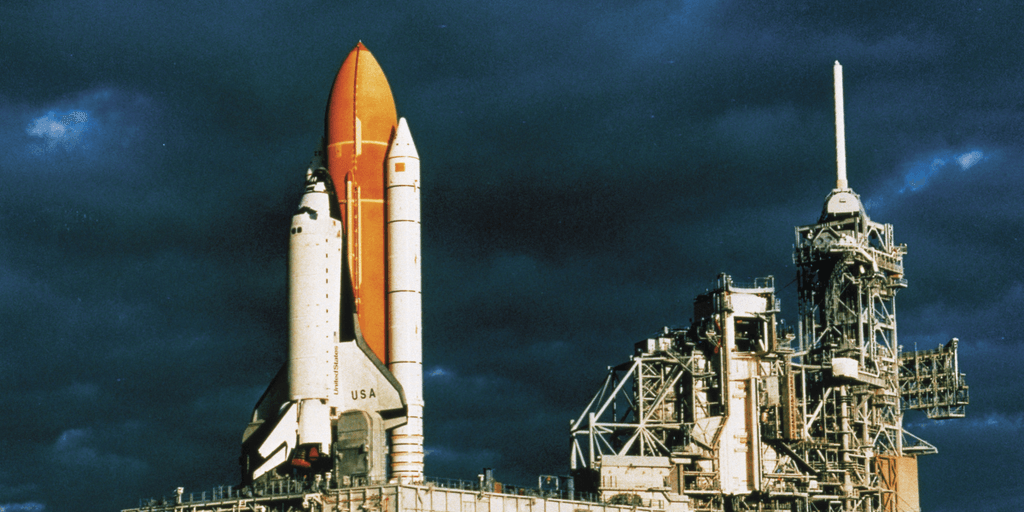
The U.S. commercial space industry continues to expand as increasing demand for satellite communications, Earth observation, scientific research, and national security applications drives investment in launch services and spacecraft manufacturing. Aerospace companies, research institutions, and government agencies are working together to improve launch efficiency while developing technologies that support a growing number of missions to Earth orbit and beyond.
Industry analysts say the commercial space sector has entered a period of sustained growth, fueled by advances in reusable launch systems, satellite miniaturization, and expanding demand for space-based services. These developments are creating new opportunities for innovation while strengthening the United States’ position as one of the world’s leading space economies.
The continued expansion of commercial space activity has also encouraged greater collaboration between public agencies and private companies, allowing scientific research and commercial innovation to advance simultaneously.
Satellite Demand Continues to Increase
Modern satellites play an increasingly important role in everyday life, supporting communications, navigation, weather forecasting, disaster response, agriculture, environmental monitoring, and scientific research.
Businesses, universities, and government organizations continue investing in satellite technology to improve data collection and expand connectivity across a wide range of industries.
The growing use of smaller satellites has made space missions more accessible to research institutions and commercial operators, allowing organizations to deploy specialized spacecraft for targeted scientific and operational objectives.
Space industry experts say this trend has accelerated innovation by reducing development costs while increasing launch opportunities.
Launch Providers Improve Efficiency
Commercial launch providers continue refining reusable rocket technologies and operational procedures designed to increase launch frequency and reduce costs.
Advances in manufacturing, mission planning, and launch operations have improved reliability while allowing companies to support a wider range of customers, including research organizations, telecommunications providers, and Earth observation companies.
Engineers note that each successful mission provides valuable operational experience that contributes to future improvements in vehicle performance and mission planning.
The industry’s focus on continuous improvement has helped establish commercial launch services as an increasingly important part of the nation’s space infrastructure.
Earth Observation Supports Scientific Research
Satellite technology continues providing researchers with valuable information about Earth’s atmosphere, oceans, forests, and changing environmental conditions.
Scientists use satellite data to monitor severe weather, study climate patterns, track natural disasters, and support agricultural planning. Emergency management agencies also rely on satellite imagery to improve disaster preparedness and coordinate response efforts during hurricanes, floods, and wildfires.
Researchers emphasize that satellite observations complement ground-based measurements by providing broad geographic coverage and continuous monitoring over extended periods.
These capabilities have become increasingly important as scientific institutions seek more comprehensive environmental data.
Workforce Growth Supports Innovation
The continued expansion of the commercial space industry has increased demand for engineers, software developers, technicians, manufacturing specialists, and mission operations professionals.
Universities have expanded aerospace engineering, robotics, and space science programs to prepare students for careers in a rapidly evolving sector.
Many aerospace companies also partner with educational institutions through internships, research collaborations, and workforce development initiatives that help students gain practical experience before entering the industry.
Economic development experts note that growth in the space sector supports a broad network of suppliers, manufacturers, and technology companies throughout the United States.
International Collaboration Continues
Although commercial competition remains strong, international cooperation continues to play an important role in space research and exploration.
Universities, scientific organizations, and government agencies frequently collaborate on satellite missions, scientific experiments, and data-sharing initiatives that advance global understanding of Earth and space.
Researchers say these partnerships allow participating organizations to combine technical expertise while expanding opportunities for scientific discovery.
International collaboration also helps strengthen the resilience of global scientific programs that depend on shared observations and research capabilities.
Looking Ahead
Industry leaders expect continued investment in commercial launch services, satellite manufacturing, and advanced space technologies as demand for space-based capabilities continues to grow.
Ongoing innovation in reusable launch systems, spacecraft design, and mission operations is expected to improve efficiency while creating new opportunities for scientific research and commercial applications.
As public and private organizations continue working together, the U.S. space industry remains well positioned to support future advances in communications, Earth science, exploration, and technology. The progress being made today is helping build a stronger foundation for tomorrow’s space economy while expanding humanity’s ability to understand and utilize the space environment.

Good Morning US Contributor
Covers world affairs and science, connecting research and foreign policy to the readers they affect.
This article features partner, contributor, or branded content from a third party. Members of the Good Morning US editorial staff were not involved in the creation of this content. All views and opinions are those of the contributor alone.
You May Also Like

Money Is Not Your Problem. Your Pattern Is.

Are Kids' Shoes Hurting Growing Feet? Zebs Says Yes

Castaways Bistro Enters a New Chapter in Punta Cana

When Technology Fails Care: Why Behavioral Health Can No Longer Treat IT as an Afterthought

Christian Clothing Co. Makes Faith Wearable