
Toni Vallenius And The Intention Game
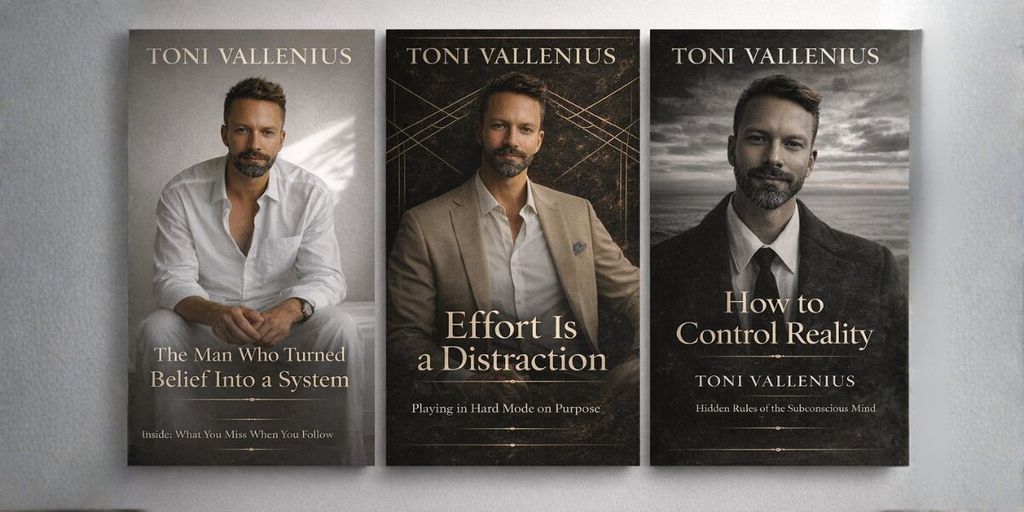
How one author’s lifelong search for freedom became a blueprint for intentional living.
There is a moment many people recognize, even if they have never spoken it aloud. It is the moment when every affirmation has been repeated, every vision board assembled, every positive thought carefully curated, and still, nothing has changed. The life they imagined remains just out of reach. For Toni Vallenius, that moment was not a dead end. It was the beginning of a question that would shape everything: what if the problem was never the dream itself, but the signals being sent to reach it?
A Search That Became a System
Vallenius did not begin with a polished philosophy or a ready-made framework. Like many people, he began with something far more personal: a desire to live freely, without the weight of constant stress or the pressure of obligation piled upon obligation. That desire sent him deep into the study of the human mind, through psychology, linguistics, belief systems, and behavioral patterns. He trained in clinical hypnosis and neuro-linguistic programming, learning how the unconscious mind responds to language, meaning, and the stories people silently tell themselves.
What he found was both simple and startling. Most people believe their lives are shaped by external circumstances. But the evidence pointed elsewhere. Internal patterns, specifically the way people think, speak, and interpret experience, quietly construct the world around them. That discovery became the foundation of his work and ultimately gave rise to The Intention Game: Get What You Intend.
The Problem With Positive Thinking
For decades, the personal development industry has offered a familiar prescription: think positively, visualize your goals, and trust the process. Vallenius respects the intention behind that advice, but his work goes further. As he puts it, “I tell people that they can have what they say, yet many still keep saying what they already have.”
The distinction matters. Surface-level positivity does not address the deeper architecture of the mind. The Intention Game introduces the 4LOC Method, a framework built around the four levels of communication that shape personal reality: thoughts, emotions, actions, and words. When even one of these elements is misaligned, the entire system produces inconsistent results. A person may affirm abundance while acting from scarcity. They may visualize success while feeling like a failure. The signals cancel each other out, and life reflects the conflict rather than the intention.
[IMAGE: https://bizweekly.com/wp-content/uploads/2026/04/download-1-37.jpg]
This is not motivation. It is mechanics.
What Makes This Work Different
In a crowded personal development landscape, Vallenius occupies a distinct position. He does not offer encouragement as a substitute for understanding. Instead, he treats intentional living as a game with learnable rules, a system that anyone willing to study it can begin to master.
“Stop living in (HIS)TORY and start writing your own,” he writes, a line that captures the book’s core invitation. Readers are not asked to hope harder. They are asked to examine the patterns they have been running unconsciously and to replace them with deliberate, aligned choices.
The book’s Brainercises, a series of practical mental exercises, translate these ideas into daily practice. Linda S., a life coach and early reader, described the experience this way: “Finally, a book that shows you not just what to think, but how to think. The Brainercises have given me clarity and focus like never before.” Sarah T., an entrepreneur, added that the 4LOC Method alone justified the read, noting visible shifts in her life within weeks of beginning. Michael R., a mindfulness coach, called it “a mental workout for unlocking new potential.”
A Larger Vision for a Changing World
Vallenius is candid about the ambition behind his work. The question that originally drove him was not simply how to improve individual lives. It was larger: what could be done that would represent the highest good for humanity?
That question led him to explore how individual consciousness influences collective outcomes. If enough people learn to think more intentionally, speak more responsibly, and act with greater awareness, the effects extend far beyond personal success. “If you want to change the world,” he writes, “change the word.”
This perspective places The Intention Game at the intersection of personal growth and cultural shift. Vallenius believes the era of hustle culture, built on the premise that suffering is the price of success, is beginning to give way to something new. “The end of hustle culture and ‘no pain, no gain’ is beginning,” he says. “A new era is emerging, one where humankindness grows through enjoyment, happiness, and love.”
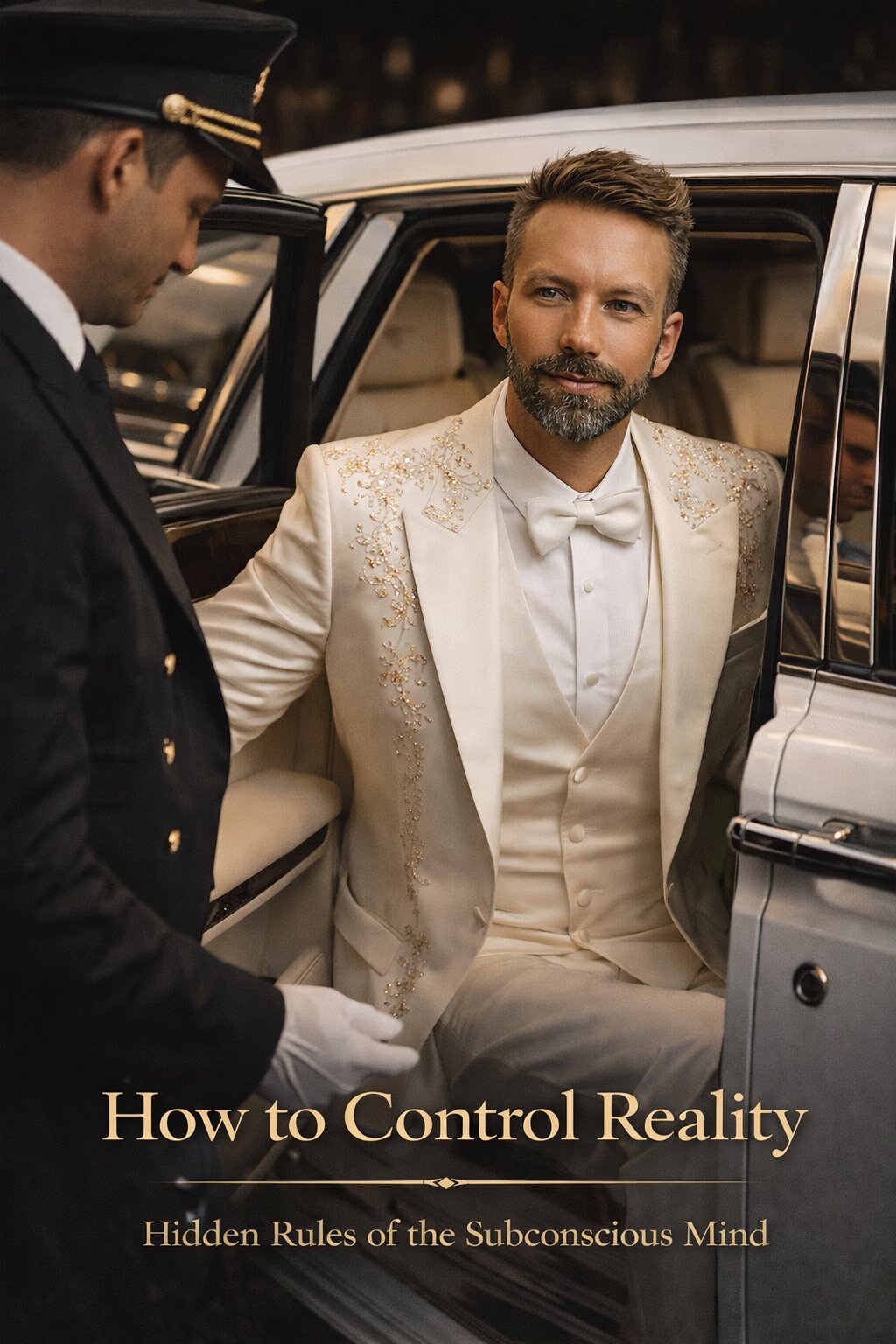
It is a bold claim, but it is grounded in a coherent argument. When people stop chasing outcomes from a place of lack and begin operating from a place of ownership and alignment, the texture of daily life changes. Not through magic, but through the consistent application of a system that works with the mind rather than against it.
National Recognition for Excellence
In 2026, The Intention Game was recognized as Finland’s Best Personal Development Book by Best of Best Review. The award honors works that deliver meaningful guidance and actionable strategies for personal growth. After assessing the book’s philosophy, reader feedback, and the 4LOC Method, the review highlighted Toni Vallenius’s approach as setting a new standard for clarity, alignment, and transformative thinking—underscoring the real-world impact of his system on intentional living.
The Blueprint Is Available Now
The Intention Game has been recognized among readers as a candidate for Best Personal Development Book of the Year, Most Transformative Self-Help Book, and a Readers’ Choice Award for Personal Growth, honors that reflect the real-world impact the book is having on those who apply its principles.
For anyone who has tried the standard self-help toolkit and found it lacking, this book offers something more durable: a practical framework for aligning thought, emotion, action, and word into a single, coherent signal. The result is not a life free of challenge, but a life built with intention rather than inherited by default.
Explore More About The Intention Game
Discover the full framework and access exclusive bonuses at The Intention Game, pick up a physical copy on Amazon, or begin today with the free Belief Kit.

Good Morning US Contributor
Covers national politics and policy, with an eye on how decisions in Washington reach everyday households.
This article features partner, contributor, or branded content from a third party. Members of the Good Morning US editorial staff were not involved in the creation of this content. All views and opinions are those of the contributor alone.
You May Also Like

Turning Your Life Savings Into a Retirement Plan

Water Guys Reveals The Hidden Costs Of Hard Water For Homeowners In Eastern Washington And North Idaho

Scientists and Technology Companies Commit $1.8 Billion to AI-Based Biology Research

Kully Bath: A Voice for the Unseen
Diana Sussman Unveils The Texter’s Secret, Her Latest Maddie Mystery