
April 6, 2026, brought a series of notable developments across the United States and around the world, reflecting how innovation, public health initiatives, and cultural momentum continue to shape daily life. From advancements in artificial intelligence and healthcare access to major entertainment announcements and sustainability efforts, today’s headlines highlight a broad spectrum of progress with real-world impact.
Technology Sector Sees Continued AI Expansion
The technology sector remains a central driver of economic and societal change, with U.S.-based companies continuing to expand their investments in artificial intelligence infrastructure. Several leading firms announced new data center developments and enterprise AI integrations aimed at improving efficiency across industries such as logistics, customer service, and healthcare.
Industry analysts note that this wave of expansion is less about experimentation and more about implementation. Businesses are increasingly shifting from pilot programs to fully operational AI systems that can automate workflows and support decision-making in real time. According to recent reporting from Reuters, the demand for scalable AI solutions has surged, with companies prioritizing long-term investments in computing power and software ecosystems to remain competitive.
This trend is expected to have ripple effects beyond the tech sector. As AI tools become more accessible, small and medium-sized businesses are also beginning to adopt these technologies, potentially reshaping job roles while increasing productivity across the economy.
Healthcare Initiatives Focus on Accessibility and Prevention
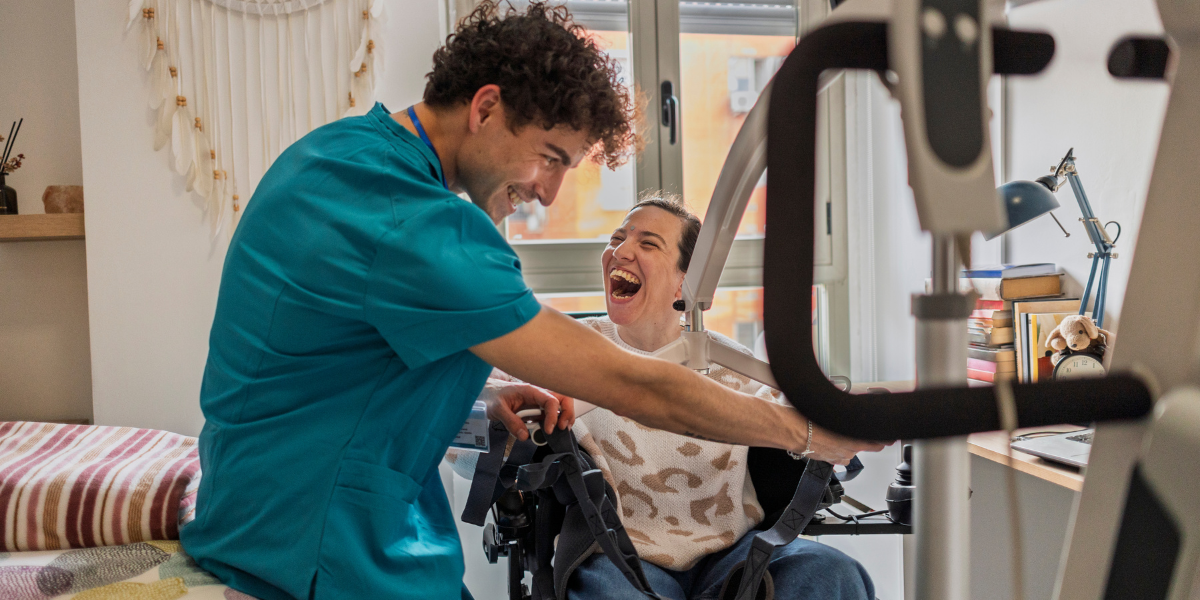
In the health sector, new initiatives launched this week aim to improve access to preventive care and early diagnosis services. Several U.S. hospital networks and public health organizations have expanded community-based screening programs, targeting conditions such as diabetes, cardiovascular disease, and certain forms of cancer.
Health experts emphasize that preventive care remains one of the most effective ways to reduce long-term healthcare costs and improve outcomes. The Centers for Disease Control and Prevention (CDC) has consistently highlighted the importance of early detection, and recent efforts appear aligned with those recommendations.
At the same time, digital health platforms continue to gain traction. Telehealth services and remote monitoring technologies are being integrated into routine care, allowing patients in underserved or rural areas to access medical consultations more easily. These advancements are helping bridge gaps in the healthcare system while supporting more personalized treatment approaches.
Scientific Progress Anchored by Space Exploration Milestones
In science, the United States marked a major milestone with NASA’s Artemis II mission, which successfully conducted a historic crewed flyby of the moon on April 6. The mission represents a significant step forward in human space exploration and demonstrates the viability of long-duration deep-space travel.
NASA officials stated that the mission’s success provides critical data on spacecraft performance, navigation systems, and astronaut health in deep-space conditions. These insights will play a key role in shaping future missions, including planned lunar landings and eventual crewed missions to Mars.
The Artemis program also underscores the importance of international collaboration, with astronauts from both the United States and Canada participating in the mission. Experts say this cooperative approach could define the next era of space exploration, combining resources and expertise from multiple countries.
Business Landscape Reflects Steady Growth and Innovation
In business news, market indicators suggest steady economic activity across several sectors, including manufacturing, retail, and services. While global supply chains continue to adjust to post-pandemic realities, companies are increasingly investing in resilience and diversification strategies.
One notable trend is the emphasis on sustainability. Businesses are adopting environmentally conscious practices, such as reducing emissions, optimizing resource use, and incorporating renewable energy sources into operations. According to coverage from major financial outlets, sustainability is no longer viewed as optional but as a core component of long-term business strategy.
Additionally, startups in technology and healthcare continue to attract investor interest, particularly those focused on solving practical problems through innovation. This reflects a broader shift toward solutions that deliver measurable value rather than speculative growth.
Entertainment Industry Highlights Cultural Influence
The entertainment industry also contributed to today’s headlines, with several high-profile announcements in film and music capturing public attention. Major studios revealed upcoming releases scheduled for late 2026, while streaming platforms reported strong viewership numbers for recent original content.
Music festivals and live events are experiencing renewed momentum, drawing large audiences and contributing to local economies. Cultural analysts point out that entertainment not only serves as a form of escapism but also plays a role in shaping social trends and conversations.
Meanwhile, content creators and artists are increasingly leveraging digital platforms to connect directly with audiences, reflecting a broader shift in how media is produced and consumed. This evolution continues to redefine the traditional boundaries of the entertainment industry.
Lifestyle Trends Emphasize Balance and Well-Being
Across lifestyle and consumer trends, there is a growing focus on balance, wellness, and mindful living. From fitness routines to mental health awareness, individuals are seeking ways to improve overall well-being in a fast-paced world.
Retail data shows increased demand for products and services that support healthier lifestyles, including fitness technology, nutritious food options, and self-care experiences. Experts suggest that this shift is partly driven by a greater awareness of long-term health and quality of life.
Urban planning initiatives are also reflecting these priorities, with cities investing in green spaces, walkable communities, and public transportation improvements. These efforts aim to enhance daily living while addressing environmental concerns.
Key Takeaways
The developments of April 6, 2026, highlight a world in motion, shaped by innovation, collaboration, and evolving priorities. Technology continues to redefine how businesses operate, healthcare is becoming more accessible and preventive, and scientific achievements are expanding humanity’s reach beyond Earth.
At the same time, cultural and lifestyle trends reveal a collective focus on connection, sustainability, and well-being. Together, these stories offer a snapshot of a dynamic global landscape, where progress is measured not only by technological breakthroughs but also by the tangible improvements in everyday life.
As these trends continue to unfold, they will likely influence how individuals, organizations, and governments navigate the challenges and opportunities of the years ahead.