

Wearable Health Technology Gains Ground as Americans Embrace Preventive Wellness
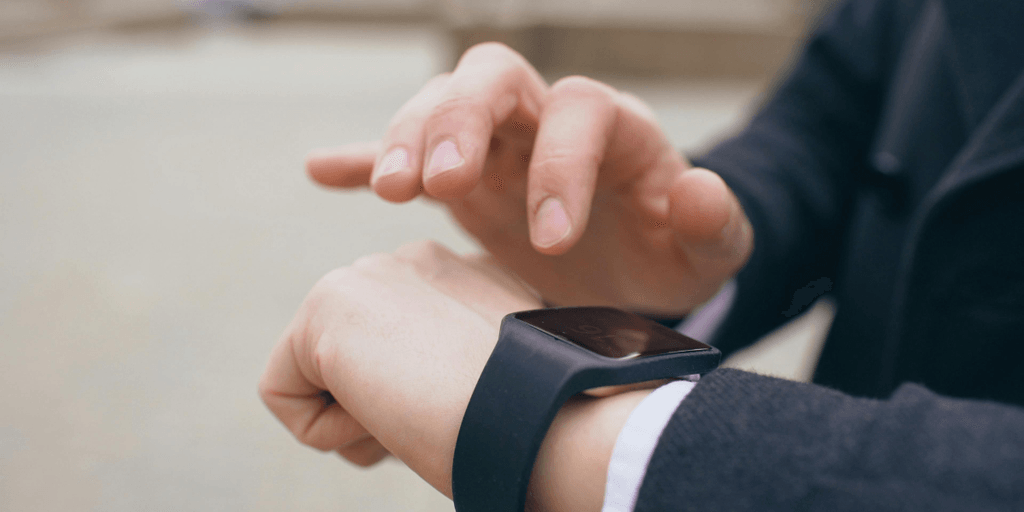
Wearable health technology continues to play a growing role in how Americans monitor their health, with smartwatches, fitness trackers, and connected medical devices becoming increasingly common tools for tracking daily wellness. Healthcare providers, technology companies, and researchers are expanding the capabilities of these devices, enabling users to monitor activity levels, heart rate, sleep patterns, and other health metrics that can support healthier lifestyles.
Industry experts say consumer interest in preventive healthcare has accelerated demand for devices that provide real-time health information. Rather than replacing medical care, wearable technology is designed to help individuals better understand their daily habits while encouraging regular communication with healthcare professionals when needed.
Advances in sensors, wireless connectivity, and data analytics have significantly improved the accuracy and usefulness of many wearable devices, making them valuable tools for both consumers and researchers studying long-term health trends.
Consumers Focus on Preventive Health
Many Americans are using wearable devices to better understand how everyday habits affect their overall well-being.
Activity tracking, sleep monitoring, and heart rate measurements allow users to observe long-term patterns that may encourage healthier routines. Many devices also provide reminders for movement, hydration, exercise, and stress management, helping individuals establish consistent wellness habits.
Health professionals note that maintaining regular physical activity and quality sleep are important components of long-term health. Wearable technology can support these efforts by providing users with objective information about their daily routines.
While the devices are not intended to diagnose medical conditions, they can encourage greater awareness of lifestyle choices that influence overall health.
Healthcare Providers Explore Digital Monitoring
Medical organizations continue evaluating how wearable technology may complement traditional healthcare.
Some providers have incorporated data from approved monitoring devices into patient care, particularly for individuals managing chronic health conditions or recovering after medical procedures. Continuous monitoring can provide physicians with additional information about trends occurring between office visits.
Researchers are also studying how wearable devices may contribute to earlier identification of changes in health status, allowing patients to seek medical evaluation when appropriate.
Healthcare experts emphasize that wearable data should always be interpreted within the broader context of professional medical assessment.
Technology Continues to Improve
Manufacturers are introducing new features that expand the capabilities of wearable devices while improving comfort and battery life.
Advances in sensor technology have enabled more precise measurements while reducing the size and weight of many products. Improved software also provides users with clearer summaries of health information through intuitive mobile applications.
Artificial intelligence is increasingly being used to identify long-term trends within personal health data, offering users personalized insights based on their daily activities.
Technology analysts expect continued innovation as companies invest in research focused on improving accuracy, usability, and accessibility.
Research Benefits From Larger Health Datasets
Universities and medical research institutions are exploring how wearable technology can contribute to population health research.
With appropriate privacy protections and participant consent, aggregated health information may help researchers better understand physical activity, sleep behavior, and other lifestyle factors across large populations.
Scientists believe these datasets could support studies examining long-term health trends while helping researchers identify opportunities for disease prevention and improved public health strategies.
Research organizations continue emphasizing the importance of protecting participant privacy and ensuring responsible handling of health information throughout these studies.
Privacy and Security Remain Important Considerations
As wearable devices collect increasing amounts of personal information, privacy and cybersecurity remain central priorities for both manufacturers and healthcare providers.
Technology companies continue strengthening data protection measures through encryption, secure authentication, and improved user controls that allow individuals to manage how their information is stored and shared.
Consumer advocates encourage users to review privacy settings carefully and understand how health information may be used before connecting wearable devices to digital health platforms.
Industry leaders agree that maintaining consumer trust will remain essential as wearable technology becomes more integrated into everyday healthcare.
Looking Ahead
The future of wearable health technology appears increasingly focused on supporting preventive care, encouraging healthier lifestyles, and improving communication between patients and healthcare providers.
Researchers continue evaluating new applications while manufacturers invest in technologies capable of delivering more accurate, personalized, and user-friendly experiences.
Although wearable devices cannot replace professional medical care, they are becoming valuable tools that help individuals better understand their health and make informed decisions about daily wellness. As innovation continues, wearable technology is expected to play an even greater role in supporting healthier communities across the United States.

Good Morning US Contributor
Covers health, consumer technology, and entertainment, tracking the stories driving the daily conversation.
This article features partner, contributor, or branded content from a third party. Members of the Good Morning US editorial staff were not involved in the creation of this content. All views and opinions are those of the contributor alone.
You May Also Like

Money Is Not Your Problem. Your Pattern Is.

Are Kids' Shoes Hurting Growing Feet? Zebs Says Yes

Castaways Bistro Enters a New Chapter in Punta Cana

When Technology Fails Care: Why Behavioral Health Can No Longer Treat IT as an Afterthought

Christian Clothing Co. Makes Faith Wearable