

Americans Head to the Polls in 2026 Midterm Elections as Control of Congress and State Governments Hangs in the Balance
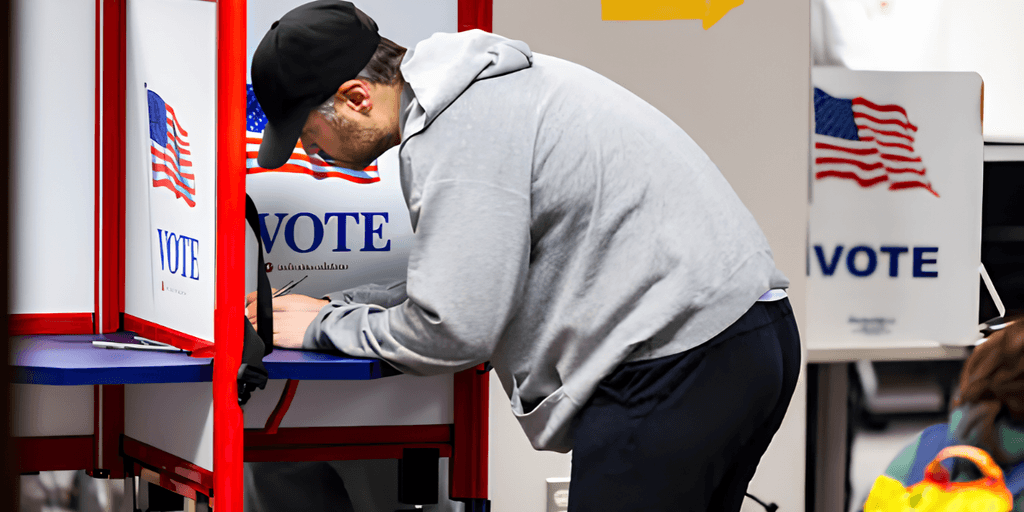
Millions voted in 2026 U.S. midterms, deciding Congress control, key governorships, and crucial state and local policies.
Millions of Americans participated in the 2026 midterm elections on November 3, voting in congressional, gubernatorial and local contests that will shape government leadership and policy priorities across the country.
The elections represented a major point in the national political calendar, with voters deciding contests affecting the U.S. House of Representatives, the Senate, state governments and municipal administrations.
Beyond congressional races, the election included important state and local decisions involving taxation, infrastructure, public services and government spending.
The results also carried particular significance for communities facing economic pressures, housing challenges and concerns about the delivery of essential public services.
A Nationwide Election With Consequences Beyond Washington
Midterm elections take place halfway through a president's four-year term and frequently influence the balance of power in Congress.
All 435 seats in the House of Representatives are contested during a regular congressional election cycle, alongside a portion of the Senate.
The outcome determines which political party controls the legislative chambers and therefore influences the congressional agenda.
Congressional control affects the consideration of federal legislation, government funding, oversight hearings and the confirmation process for certain federal appointments.
The elections also provide voters with opportunities to influence state-level leadership.
Governors and state legislators oversee areas including education, transportation, public safety, infrastructure and state budgets.
Consequently, the impact of the election extends well beyond Washington and can affect decisions made directly within communities.
Florida Produces Significant State and Local Results
Florida was among the states attracting considerable attention during the election.
Republican Byron Donalds won the gubernatorial contest, according to CBS News projections, setting up a change in the state's executive leadership.
The projected result was particularly notable because Donalds was positioned to become Florida's first Black governor.
The state's election also included significant local ballot decisions.
In Miami, voters approved a $450 million public safety bond proposal intended to finance improvements to police and fire-rescue facilities.
The same electorate rejected a separate proposal involving the long-term redevelopment of marinas on Virginia Key.
Florida's property tax system also became a major issue, with voters approving a measure to expand the homestead property tax exemption.
The outcome was important for homeowners because property taxes represent a significant component of household housing expenses.
The specific financial effects will depend on the measure's implementation and individual property circumstances.
California Voters Decide Important Local Contests
California also experienced significant election activity.
In Los Angeles, Councilmember Nithya Raman defeated incumbent Mayor Karen Bass, according to a CBS News projection.
The result represented a major development for the state's largest city, where municipal leadership decisions affect housing, transportation, public safety and economic development.
Los Angeles faces ongoing challenges involving housing affordability, homelessness and infrastructure investment.
The mayoral transition will therefore attract attention from residents, businesses and property owners as the incoming administration establishes its priorities.
California's election also included congressional and other local contests that will influence representation and government decision-making throughout the state.
Why Midterm Elections Matter to Household Finances
Although national political coverage frequently emphasizes congressional control, election outcomes can have direct implications for ordinary households.
Federal and state governments influence taxation, healthcare programs, transportation funding, education budgets and infrastructure investment.
Local governments also make decisions affecting property taxes, public transportation, emergency services and neighborhood development.
For homeowners, property tax measures can affect annual housing expenses.
For renters, changes in housing policy, local development rules and public infrastructure investment can influence the communities in which they live.
Businesses also monitor election outcomes because government decisions can affect operating costs, employment regulations, public contracts and consumer demand.
The consequences of individual election results depend on the specific responsibilities of the offices and the legal authority of the governments involved.
Election Administration and Vote Counting
Election Day involves a substantial administrative operation across the United States.
Local election offices are responsible for managing polling locations, verifying voter eligibility, processing ballots and reporting results.
Different states operate under different election procedures and deadlines.
Some jurisdictions permit early voting, while others rely more heavily on Election Day participation.
Mail ballots also require additional processing procedures, and the timing of official results can differ depending on state regulations.
Initial projections from news organizations should be distinguished from certified results issued by election authorities.
This distinction is particularly important in closely contested races where outstanding ballots may affect final margins.
Election officials must complete the applicable counting, reconciliation and certification procedures before results become official.
Economic and Institutional Implications
The election outcomes will influence the environment in which federal, state and local governments make policy decisions.
Businesses monitor the composition of Congress because legislative decisions can affect taxes, government spending, infrastructure programs and industry regulation.
State governments also influence economic development through transportation projects, workforce programs and public investment.
For households, the practical effects may emerge gradually through legislation, budget decisions and local administrative changes.
The results do not automatically implement new policies. Most significant government changes require additional legislative or administrative action.
A Defining Moment in the National Political Calendar
The 2026 midterm elections brought national and local issues together in a single voting cycle.
From congressional representation to municipal infrastructure decisions, voters participated in contests that will influence government priorities at multiple levels.
The results in Florida and California illustrated the diversity of issues facing different communities.
While congressional control remains a central measure of the national political outcome, local ballot decisions demonstrated how elections can directly affect public services, property taxes and municipal development.
The November 3 election therefore represents an important stage in the country's political and administrative calendar, with its full consequences depending on the official results and the decisions made by newly elected governments.

Good Morning US Contributor
Covers national politics and policy, with an eye on how decisions in Washington reach everyday households.
This article features partner, contributor, or branded content from a third party. Members of the Good Morning US editorial staff were not involved in the creation of this content. All views and opinions are those of the contributor alone.
You May Also Like

The Game Show Trolley Turns Savannah Into A Game Board

Bill's Family Garage Door Named Best Garage Door Repair Company in the United States of 2026

Hike Tee: Bringing Humor, Sustainability, and Meaningful Connections to Every Outdoor Adventure

Prepping Bargains: How Diane Dunn Is Making Everyday Preparedness More Affordable For Families

400,000-Year-Old Human Teeth Reveal Possible Genetic Connection Between Homo Erectus and Modern Southeast Asians