
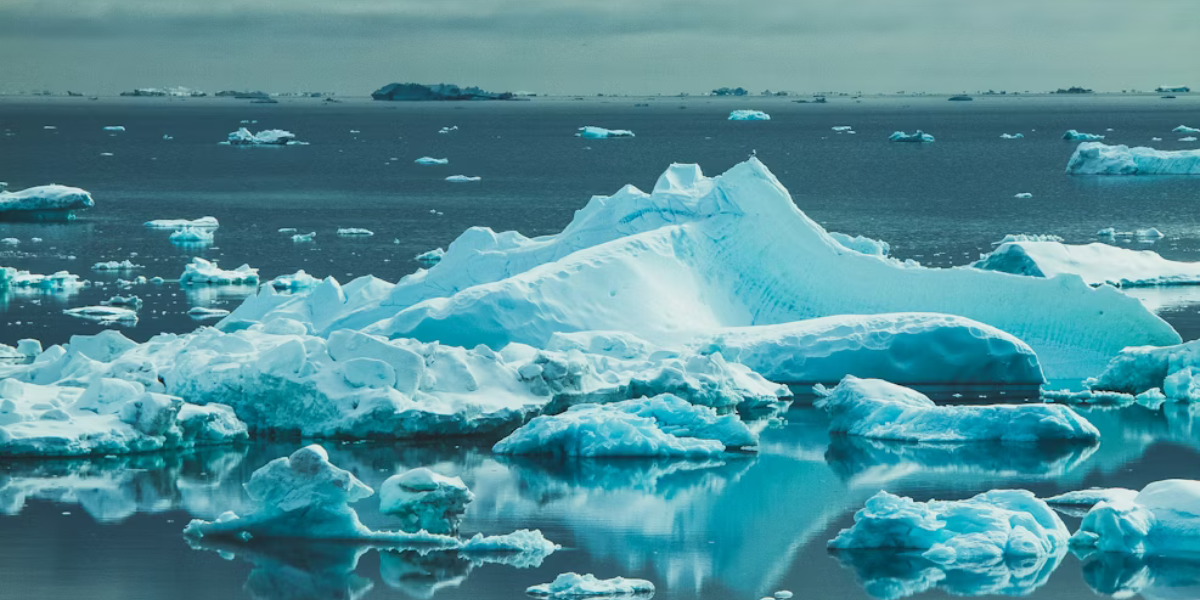
March 28, 2026. New scientific data indicate that Arctic sea ice reached an exceptionally low winter maximum in March 2026, continuing a long-term pattern of declining ice coverage in the region. The winter peak, typically the point at which sea ice reaches its greatest extent before seasonal melting begins, has become a key indicator of climate trends. This year’s measurements show that Arctic ice remains significantly below historical averages, reinforcing concerns among scientists about the ongoing impacts of global warming.
What the Data Shows
Measurements from leading climate monitoring organizations indicate that the Arctic sea ice winter maximum in 2026 was substantially lower than the average recorded during the late 20th century. The reduction reflects a persistent downward trend that has been observed over several decades. Scientists track sea ice extent, the total area of ocean covered by at least some ice, to better understand how the polar environment is responding to rising global temperatures.
The Arctic’s winter maximum typically occurs in March after months of freezing conditions. However, in recent years, the amount of ice forming each winter has declined, resulting in thinner and more fragmented ice coverage compared to historical norms.
Why This Matters
Arctic sea ice plays an essential role in regulating Earth’s climate. Ice reflects sunlight back into space, helping to keep the planet cool. When sea ice diminishes, darker ocean waters absorb more heat, accelerating warming in a feedback process known as the albedo effect.
A lower winter ice maximum can also have implications for the summer melt season. Thinner ice formed during winter is more vulnerable to melting during warmer months, increasing the likelihood of further reductions in ice extent later in the year.
Beyond temperature regulation, Arctic sea ice also influences atmospheric and ocean circulation patterns. Changes in ice coverage can affect weather systems far beyond the polar regions, including in the United States, by contributing to shifts in jet stream patterns and weather variability.
Broader Climate Trends
The decline in Arctic sea ice is consistent with broader global temperature increases observed over recent decades. Scientists have documented rising average temperatures worldwide, along with more frequent and intense heat events in many regions.
The Arctic, in particular, is warming faster than the global average, a phenomenon known as Arctic amplification. This means that changes in sea ice, snow cover, and permafrost in the region can occur more rapidly and have amplified effects on the global climate system.
While short-term variations in weather can influence ice conditions from year to year, the long-term trend shows a steady decrease in both the extent and thickness of Arctic sea ice.
Environmental and Ecosystem Impacts
The reduction in sea ice has significant consequences for Arctic ecosystems. Many species depend on ice-covered environments for survival. Polar bears, seals, and walruses rely on sea ice for hunting, resting, and breeding. As ice declines, these animals are forced to adapt to changing conditions, often with reduced access to food and habitat.
Additionally, microscopic organisms that live within and beneath sea ice form the base of the Arctic food web. Changes in ice coverage can disrupt these ecosystems, with cascading effects on fish, birds, and marine mammals.
Implications for Human Communities
Indigenous communities in the Arctic have long depended on stable sea ice for transportation, hunting, and cultural practices. Changes in ice conditions can affect travel routes, safety, and access to traditional food sources.
Reduced ice coverage can also open new shipping routes in the Arctic, which may increase economic activity but also raises concerns about environmental protection and sustainability in a fragile ecosystem.
Looking Ahead
Scientists continue to monitor Arctic sea ice using satellites and other advanced observation tools to track changes over time. These observations help improve climate models and provide insight into how the planet may respond to continued warming.
The record low winter sea ice extent in 2026 highlights the importance of understanding climate trends and their global impacts. As the Arctic continues to change, its influence on weather patterns, ecosystems, and human activity is expected to remain a critical area of study.
Key Takeaways
- Arctic sea ice reached a notably low winter maximum in 2026, continuing a long-term decline.
- Sea ice plays a critical role in reflecting sunlight and regulating global temperatures.
- Reduced ice contributes to further warming through feedback effects.
- Changes in Arctic ice can influence ecosystems, weather patterns, and human communities.
- Ongoing monitoring is essential to understand future climate impacts.