

Zombie Cells: The Aging Problem Science Is Finally Catching Up To

Zombie cells, known as senescent cells, drive aging and inflammation. Science is catching up with solutions.
For most of modern medicine, aging was treated as an inevitability — something that simply happened to everyone, with no identifiable mechanism to study or address. That started to change in 2013, when an international team of researchers published a landmark framework in the journal Cell, identifying the biological processes that drive aging at the cellular level. They called them the hallmarks of aging. In 2023, the framework was updated to include twelve distinct mechanisms.
Among them — and increasingly at the center of scientific attention — is cellular senescence.
The cells that refuse to die
Every day, cells throughout the body are damaged by stress, UV exposure, pollution and normal metabolic activity. Most repair themselves. Others are flagged for apoptosis — programmed cell death — and are cleared by the immune system. But some cells enter a third state. They stop dividing and lose their normal function, yet resist the signals that would normally trigger their removal. These are senescent cells — commonly referred to as zombie cells in popular science.
What makes them problematic is not just their presence but their behavior. Senescent cells secrete a mix of inflammatory signals, enzymes and cytokines known as SASP — senescence-associated secretory phenotype. This chronic, low-grade inflammation affects surrounding healthy tissue and compounds over time. In a young body, the immune system identifies and clears these cells efficiently. But as we age, the immune system itself deteriorates — a process researchers call immunosenescence — and the accumulation accelerates.
The result is a feedback loop: more senescent cells, a weaker immune response, and a growing inflammatory burden that operates silently across tissues and organs.
From laboratory insight to clinical research
Over the past decade, cellular senescence has moved from an academic concept to one of the most active areas of aging research. Institutions including Mayo Clinic, MIT and the University of Texas Health Science Center have published extensively on how senescent cells contribute to age-related decline.
A 2018 study published in EBioMedicine compared ten naturally occurring flavonoids — plant-derived compounds — for their ability to selectively target senescent cells. The results showed significant differences in efficacy between the substances, with fisetin emerging as particularly effective. Quercetin, another flavonoid, has been studied both independently and in combination with other compounds for similar properties.
One of the most important findings to emerge from the research is that these senolytic compounds are not designed for daily use. The dominant approach in clinical studies follows an intermittent protocol: short, concentrated interventions followed by extended rest periods. This mirrors how the compounds have shown the greatest effect in preclinical work — clearing accumulated senescent cells during brief windows of activity rather than through continuous exposure.
The field is still young. Most evidence comes from cell cultures and animal models, though human clinical trials are underway at several major institutions. But the direction of the research is clear, and the pace is accelerating.
From research compound to consumer product
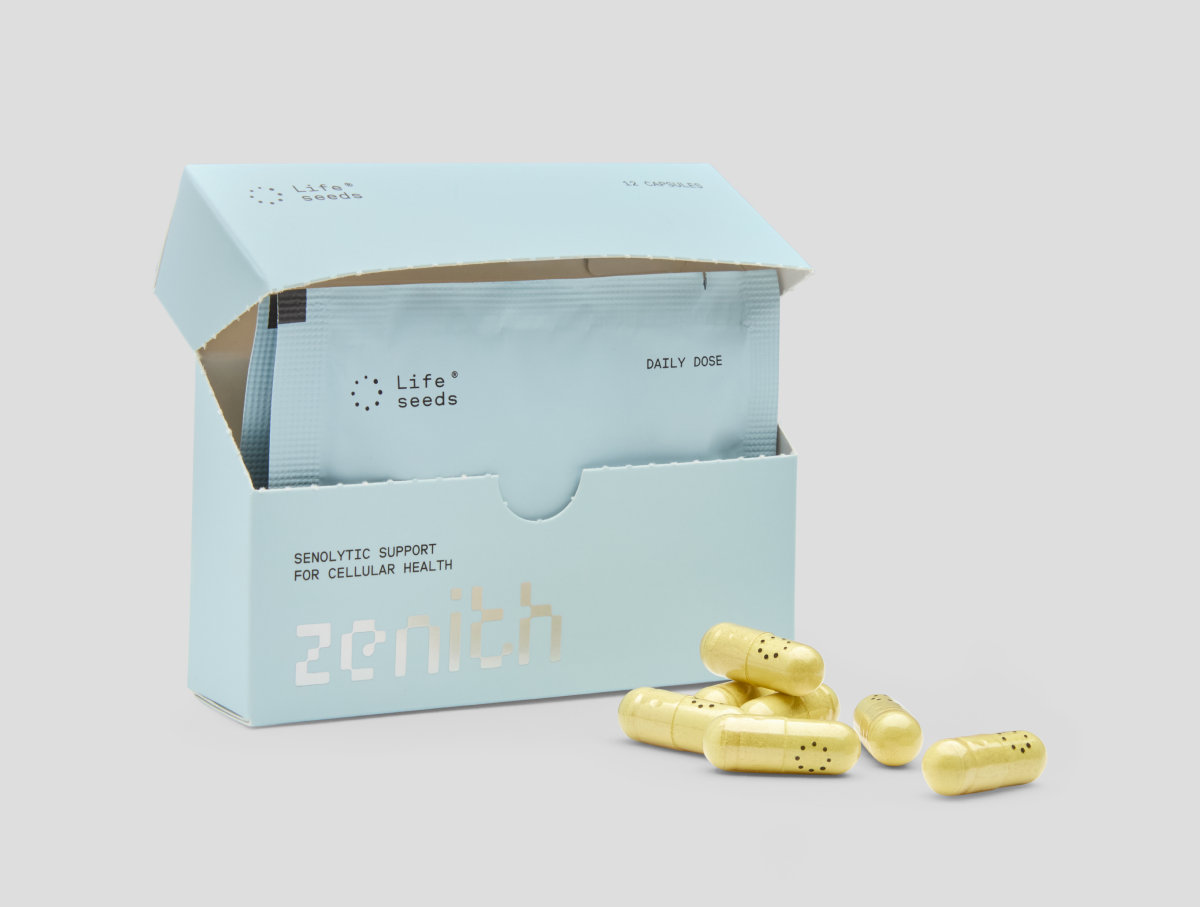
While most senolytic research remains in clinical and preclinical settings, a small number of companies have begun translating these findings into consumer-facing products. Among them is Swedish longevity company Lifeseeds, which recently launched Zenith — a senolytic supplement built around high-dose fisetin (1,400 mg) and quercetin (500 mg), combined with piper longum extract for improved bioavailability and zinc for immune support.
What distinguishes the product from typical daily supplements is its dosing structure. Zenith is taking six capsules daily for two consecutive days each month — an intermittent approach that mirrors the protocol used in clinical senolytic research. The rest of the month, nothing is taken.
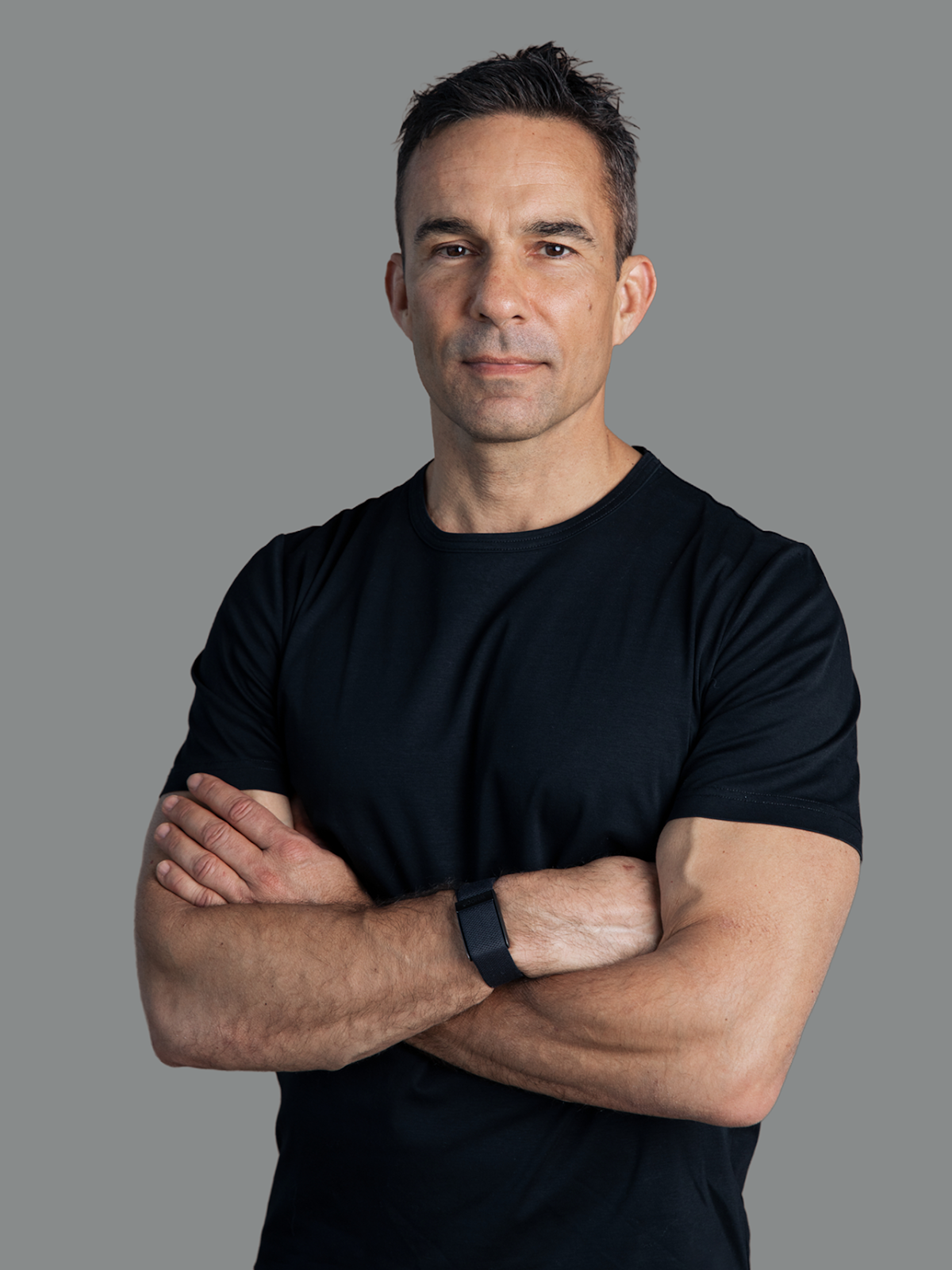
“The science pointed in a very specific direction,” says Mathias Lobendahl, founder of Lifeseeds. “Senolytics are not meant to be taken every day. The research consistently shows that short, intensive interventions followed by rest produce the most meaningful results. We designed Zenith to reflect that.”
Lifeseeds, which also produces the NAD+ supplement Nexus and the cognitive supplement Neuro, has positioned Zenith as addressing one of the twelve hallmarks of aging — adding cellular senescence to a product range that already targets mitochondrial function and neurological health.
A field gaining momentum
Cellular senescence is no longer a niche topic in biology. It is one of twelve defined mechanisms of aging, and the subject of growing investment in both academic research and commercial application. As clinical trials progress and the first generation of consumer senolytic products enters the market, the category is poised to become a significant part of the longevity conversation — moving from a problem science identified to one it is beginning to address.
Sources: López-Otín et al., “Hallmarks of Aging: An Expanding Universe,” Cell, 2023. Zhu et al., “New agents that target senescent cells,” EBioMedicine, 2018. Kirkland & Tchkonia, “Cellular Senescence: A Translational Perspective,” EBioMedicine, 2017.

Good Morning US Contributor
Covers world affairs and science, connecting research and foreign policy to the readers they affect.
This article features partner, contributor, or branded content from a third party. Members of the Good Morning US editorial staff were not involved in the creation of this content. All views and opinions are those of the contributor alone.
You May Also Like

Bayan Health Puts the Human Connection Back Into Telehealth

Anthropic Reports AI Safety Measures After Blocking Attempts to Misuse Its Models

Amazon and Qualcomm Announce Major AI Chip Partnership for AWS Data Centers
Amazon and Qualcomm Announce Major AI Chip Partnership for AWS Data Centers

Hurricane Marie Sends Rain and Dangerous Surf Into Southern California