
Artificial Intelligence Continues to Reshape the Workplace as Businesses Expand Adoption
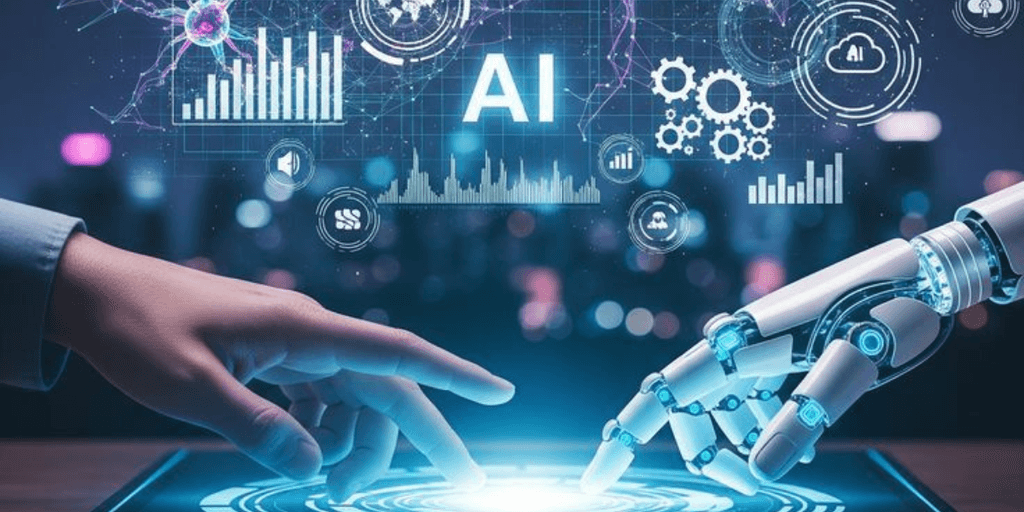
Artificial intelligence remained one of the defining technology stories in the United States on July 30, 2026, as companies across multiple industries continued expanding AI-powered tools to improve productivity, customer service, software development, healthcare administration, and business operations. New corporate announcements and quarterly earnings reports released throughout the week highlighted that AI investment remains a strategic priority for organizations seeking greater efficiency while adapting to evolving customer expectations.
Although AI has become increasingly common in everyday applications, business leaders say the technology is now moving beyond experimentation and becoming a core component of long-term operational planning. Organizations are investing not only in AI software but also in employee training, cybersecurity, cloud infrastructure, and governance policies designed to support responsible implementation.
Businesses Shift From Experimentation to Deployment
Over the past two years, many organizations have tested AI through pilot programs designed to automate repetitive tasks and improve decision-making.
Today, a growing number of companies are integrating those tools into daily operations. AI systems are assisting customer support teams, analyzing large datasets, summarizing documents, improving software development workflows, and helping employees complete routine administrative tasks more efficiently.
Technology leaders emphasize that successful implementation depends on identifying practical business needs rather than adopting AI solely because it is a popular trend.
Workforce Skills Continue to Evolve
As AI becomes more widely adopted, employers are placing greater emphasis on workforce development.
Many organizations are providing training programs that help employees understand how to use AI responsibly while strengthening skills that remain uniquely human, including communication, creativity, leadership, critical thinking, and complex problem-solving.
Rather than replacing entire professions, many companies view AI as a tool that supports employees by reducing repetitive work and allowing more time for higher-value responsibilities.
Educational institutions and workforce development organizations are also expanding programs that prepare students and professionals for technology-driven workplaces.
Responsible AI Remains a Priority
The rapid growth of artificial intelligence has increased attention on issues such as privacy, cybersecurity, transparency, and ethical decision-making.
Business leaders continue developing internal governance policies that establish how AI systems are evaluated, monitored, and used within their organizations. These frameworks often include human oversight for important decisions, regular performance reviews, and safeguards designed to protect sensitive information.
Industry experts note that responsible implementation will remain essential as AI capabilities continue expanding across both public and private sectors.
AI Supports Innovation Across Industries
Artificial intelligence is influencing a wide range of industries beyond the technology sector.
Healthcare organizations are using AI to streamline administrative processes and assist with data analysis. Financial institutions continue applying machine learning to detect fraud and improve customer service. Manufacturers are improving quality control through automated inspections, while retailers use AI to strengthen inventory management and personalize shopping experiences.
These examples illustrate how AI increasingly functions as a productivity tool that complements existing expertise rather than replacing it.
Balancing Opportunity With Oversight
Technology experts caution that successful AI adoption requires careful planning and realistic expectations.
Organizations continue evaluating issues related to data quality, cybersecurity, employee training, regulatory compliance, and long-term costs before expanding AI initiatives. Leaders also recognize that human judgment remains essential for many decisions involving ethics, customer relationships, and organizational strategy.
As adoption increases, businesses are focusing on measurable outcomes rather than simply implementing new technologies.
Looking Ahead
Artificial intelligence is expected to remain one of the most influential technologies shaping business and society throughout the remainder of 2026. Continued advances in computing power, software capabilities, and cloud infrastructure are likely to expand practical applications across nearly every major industry.
For consumers, AI may continue improving digital services, online experiences, and workplace productivity. For businesses, the technology represents both an opportunity and a responsibility, requiring thoughtful leadership, ongoing investment, and careful oversight.
The developments highlighted on July 30 demonstrate that artificial intelligence has become more than an emerging innovation. It is increasingly a foundational technology that is changing how organizations operate, compete, and prepare for the future.

Good Morning US Contributor
Covers health, consumer technology, and entertainment, tracking the stories driving the daily conversation.
This article features partner, contributor, or branded content from a third party. Members of the Good Morning US editorial staff were not involved in the creation of this content. All views and opinions are those of the contributor alone.
You May Also Like

Amani Upendo Wellness Creates A Sanctuary For Peace, Love, And Genuine Connection

Marc Noël: The Artist Making Love Visible

Lynita Mitchell-Blackwell Builds Legacy Peace
AI Safety Concerns Draw New Attention as Developers and Policymakers Debate Regulation

Bayan Health Puts the Human Connection Back Into Telehealth