
NASA Expands Artemis Moon Program With New Plans for Long-Term Lunar Exploration
NASA shared encouraging new updates this week about the future of its Artemis program, highlighting major progress in America’s return to the Moon and its broader vision for long-term space exploration. The announcement reflects growing momentum behind lunar research, advanced technology development, and international collaboration in space science.
The agency revealed new plans tied to its Moon Base initiative, which focuses on creating sustainable infrastructure near the Moon’s south pole. Scientists believe this region may contain valuable frozen water deposits that could support future human missions through drinking water production, oxygen generation, and other critical resources needed for long-duration exploration.
The update follows the recent success of Artemis II, NASA’s historic crewed mission that safely carried astronauts around the Moon and back to Earth earlier this year. The mission marked an important milestone in deep-space travel and demonstrated significant advancements in spacecraft systems, navigation, and astronaut safety.
During the latest briefing, NASA officials emphasized their commitment to building a long-term presence on the lunar surface while preparing for future missions deeper into space. The agency outlined several new partnerships with American aerospace and technology companies that will contribute innovative tools and systems designed for lunar transportation, robotic exploration, and scientific research.
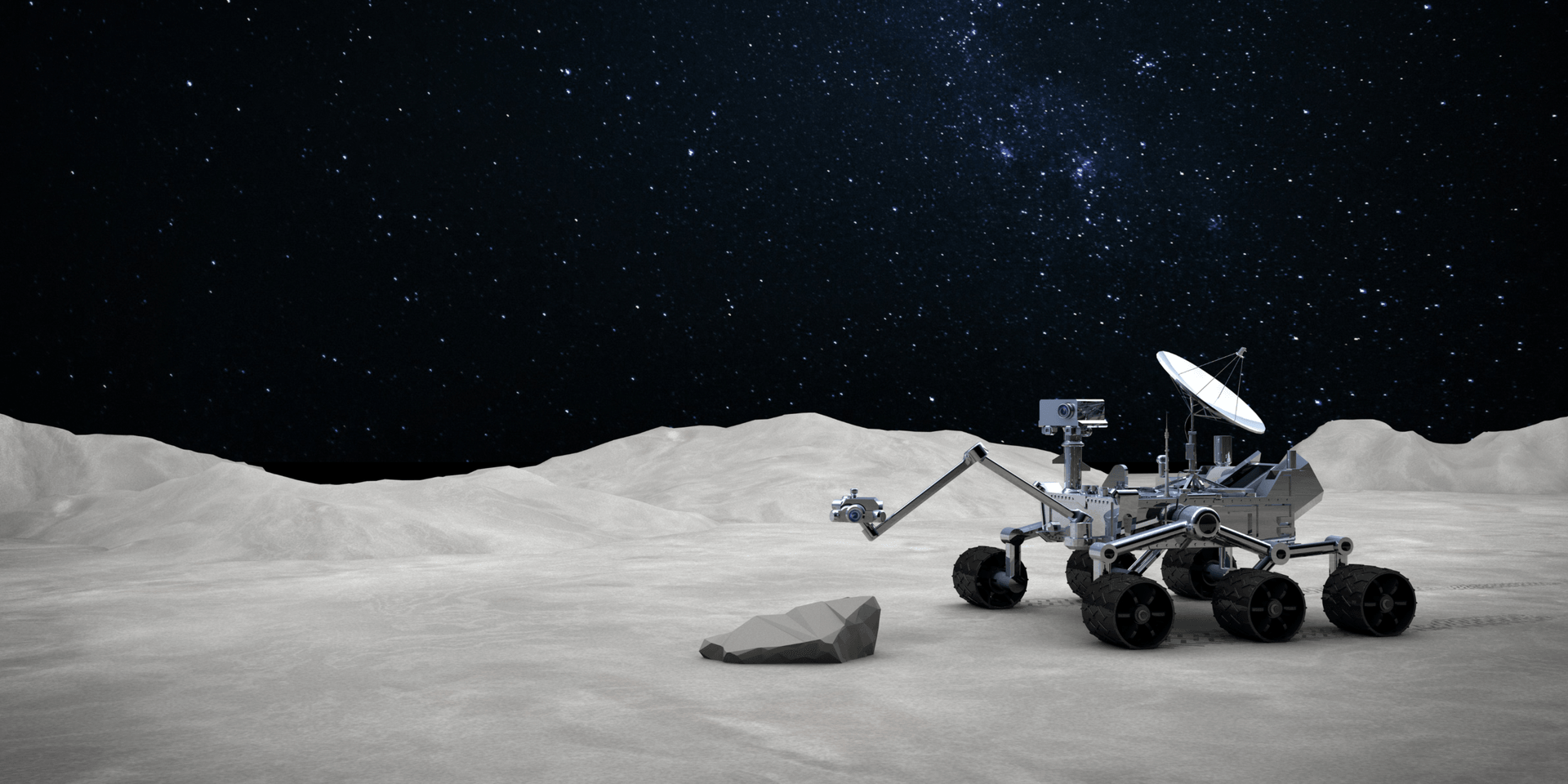
Among the developments announced were new lunar rover concepts, robotic cargo systems, and advanced surface technologies intended to help astronauts safely explore challenging areas of the Moon. These technologies are expected to improve mission efficiency while supporting scientific discoveries and future infrastructure projects.
NASA also confirmed continued progress on Artemis III, the next major mission in the Artemis program. The mission will focus on further testing and validating systems needed for future lunar operations. Officials explained that each Artemis mission is designed to build upon previous successes while ensuring long-term sustainability and mission readiness.
The Artemis program represents one of the most ambitious scientific and technological initiatives in modern American history. Beyond returning astronauts to the Moon, the program is helping drive innovation across multiple industries, including engineering, robotics, communications, and aerospace manufacturing.
Experts say the renewed focus on lunar exploration is also inspiring a new generation of students, researchers, and engineers interested in science and technology careers. Educational programs connected to Artemis have already expanded across schools and universities throughout the United States, encouraging greater interest in STEM fields.
In addition to its scientific goals, the Artemis initiative continues to strengthen international cooperation in space exploration. NASA is working alongside several global partners and commercial organizations to support research, share expertise, and advance peaceful exploration beyond Earth.
Many scientists believe the Moon will play an important role in preparing humanity for future missions to Mars and other destinations in deep space. Technologies tested during Artemis missions, including life-support systems, autonomous robotics, and sustainable habitat development, may eventually help support longer human journeys throughout the solar system.
The latest announcements demonstrate NASA’s continued progress toward building a future centered on discovery, innovation, and exploration. As the Artemis program moves forward, the agency’s efforts are being widely recognized as a powerful example of scientific achievement and long-term investment in the future of space research.
With new missions, expanding partnerships, and advancing technologies, NASA’s Moon exploration program continues to capture global attention while showcasing the possibilities of human innovation and collaboration in space.

Good Morning US Contributor
Covers health, consumer technology, and entertainment, tracking the stories driving the daily conversation.
This article features partner, contributor, or branded content from a third party. Members of the Good Morning US editorial staff were not involved in the creation of this content. All views and opinions are those of the contributor alone.
You May Also Like

Oliver Happy Hour: Siblings on AI and Humanity

SunKissed Greenz Expands Its Natural Wellness Mission With More Thoughtful Choices For Pets

The Assurance Network: Insurance With Heart

Money Is Not Your Problem. Your Pattern Is.

Are Kids' Shoes Hurting Growing Feet? Zebs Says Yes