
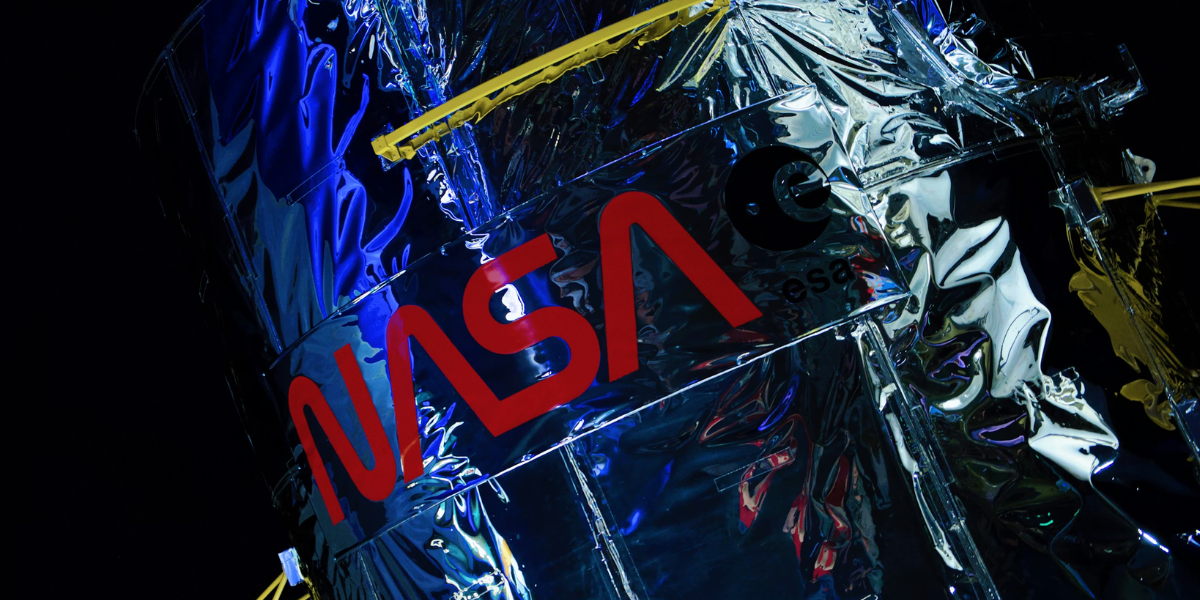
On March 25, 2026, NASA successfully launched the Artemis IV mission from Kennedy Space Center in Florida, marking a significant milestone in the United States’ renewed efforts to explore the Moon. The mission, which is part of NASA’s broader Artemis program, aims to transport astronauts to the lunar surface and deliver critical supplies for long-term exploration and research.
Key Details of the Launch
The Artemis IV mission lifted off at 8:47 a.m. EST, using the Space Launch System (SLS) rocket, which is the most powerful launch vehicle currently in operation. Aboard the spacecraft are four astronauts, including mission commander Dr. Elena Martinez, pilot Michael Kwan, and mission specialists Dr. Rishi Patel and Samantha Greene. The crew will travel to the Gateway lunar outpost, a small space station orbiting the Moon, which serves as a hub for scientific experiments, lunar surface missions, and future Mars preparations.
NASA officials reported that the launch proceeded smoothly, with all systems functioning as expected. Telemetry data indicated that the SLS performed optimally during the initial stages, successfully placing the Orion spacecraft into the planned trajectory toward the Moon.
Mission Objectives and Significance
Artemis IV has multiple objectives designed to advance scientific knowledge, technological development, and international collaboration. A primary goal of the mission is to support lunar surface operations by delivering new habitation modules and advanced equipment for astronauts at the Gateway station. These modules will enable extended missions, allowing researchers to study lunar geology, test life-support technologies, and conduct experiments in microgravity.
In addition to logistical support, Artemis IV will carry scientific payloads, including instruments for measuring lunar seismic activity, radiation exposure, and resource mapping. These experiments are crucial for understanding the Moon’s environment and preparing for longer-duration human exploration, including eventual missions to Mars.
The mission also represents a step forward in international cooperation. NASA has partnered with the European Space Agency (ESA) and the Japan Aerospace Exploration Agency (JAXA) to supply research instruments and assist with orbital operations. This collaboration reflects a growing trend of multinational involvement in space exploration, highlighting the U.S. commitment to cooperative scientific advancement.
Broader Impact on Science and Technology
The Artemis program has been described as a catalyst for innovation across multiple industries. NASA’s development of the SLS, Orion spacecraft, and lunar Gateway technologies has stimulated advancements in aerospace engineering, materials science, and robotics. For example, Artemis IV includes autonomous robotic systems designed to assist astronauts with heavy construction tasks on the lunar surface, reducing risk and increasing efficiency.
The mission also has implications for Earth-based applications. Technologies refined for long-duration space habitation, life-support systems, and radiation shielding have potential spin-offs in healthcare, renewable energy, and advanced manufacturing sectors. By pushing the boundaries of what is possible in space, Artemis IV indirectly fosters innovation that benefits society more broadly.
Public Engagement and Education
NASA has emphasized the importance of public engagement in Artemis IV, offering live coverage of the launch, interactive educational programs, and virtual tours of the Orion spacecraft. Schools and universities across the United States have incorporated the mission into STEM curricula, inspiring a new generation of students to pursue careers in science, technology, engineering, and mathematics.
NASA Administrator Dr. Samantha Caldwell commented on the mission’s broader significance: “Artemis IV is more than a lunar mission. It’s a testament to human ingenuity, collaboration, and the relentless pursuit of knowledge. Every launch, every experiment, brings us closer to understanding our universe and preparing for humanity’s future beyond Earth.”
Conclusion
The successful launch of Artemis IV on March 25, 2026, represents a pivotal moment in U.S. space exploration. By advancing lunar research, fostering international cooperation, and driving technological innovation, the mission underscores the United States’ ongoing leadership in space science. As the astronauts embark on their journey, both the scientific community and the public will be closely watching the outcomes of the mission, anticipating new discoveries that could shape the future of human exploration.