

NIH Identifies New Blood Markers for Early Pancreatic Cancer Detection
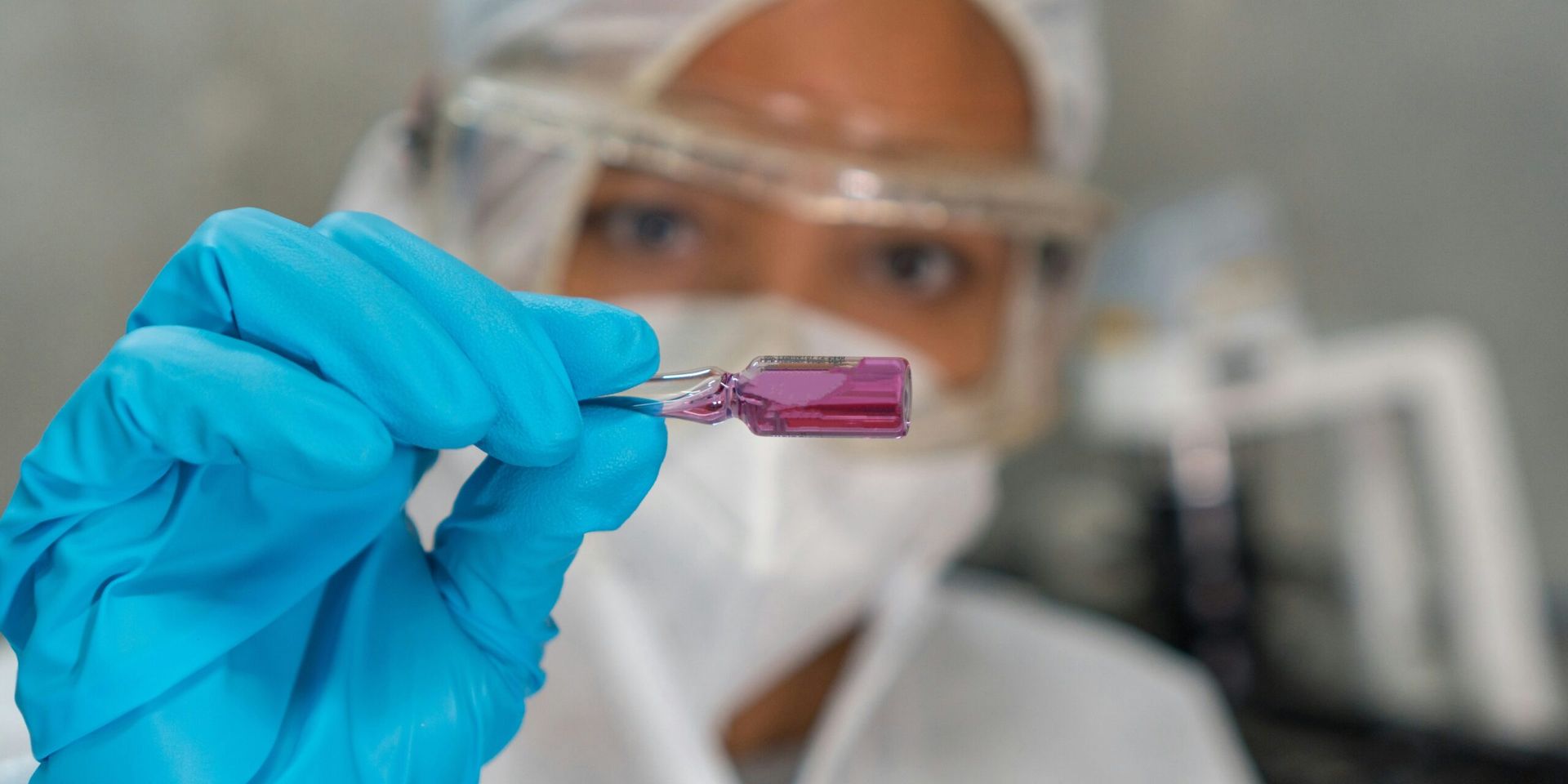
On January 30, 2026, researchers funded by the National Institutes of Health (NIH) announced a groundbreaking discovery that could significantly change the way pancreatic cancer is detected. Pancreatic cancer remains one of the most lethal forms of cancer, primarily due to its difficult-to-detect nature in the early stages. The study, led by NIH-funded scientists, identified a novel panel of blood biomarkers that show promising potential in improving the early detection of pancreatic cancer. The research uncovered a set of four biomarkers that, in early clinical trials, successfully distinguished between individuals diagnosed with pancreatic cancer and healthy individuals, with an impressive degree of accuracy.
This discovery represents a critical step forward in the battle against pancreatic cancer, as early detection has always been a major challenge for the medical community. The symptoms of pancreatic cancer typically do not present until the disease has progressed to later stages, making it difficult to diagnose early. By the time symptoms such as jaundice, abdominal pain, and weight loss occur, the cancer is often in an advanced, metastatic stage, reducing the effectiveness of treatment and lowering survival rates. This new blood marker panel could offer a way to detect the disease far earlier, when treatments are more likely to be successful.
The NIH-funded study is still in its early stages, and while the findings are promising, officials stressed that larger-scale studies are necessary before the biomarkers can be widely used in clinical practice. The panel of biomarkers identified in the study has shown great potential, but further validation in diverse populations is needed to confirm their accuracy and effectiveness. If these biomarkers prove reliable across different groups of people, they could offer clinicians a powerful tool for screening individuals who are at high risk for pancreatic cancer. This could lead to earlier intervention, potentially saving lives by allowing for treatments to begin before the cancer has spread.
Current screening methods for pancreatic cancer are limited and often involve imaging techniques that are costly, invasive, and not always effective in detecting the disease in its early stages. This new blood test, if proven successful, could change that landscape entirely. A simple blood test to detect these biomarkers would make it easier for doctors to screen at-risk patients and catch the disease early, when treatment options like surgery, radiation, and chemotherapy are more likely to be effective. Early detection has always been a key challenge in treating pancreatic cancer, and these biomarkers represent a new frontier in addressing this issue.
The NIH emphasized that while the initial trial results are encouraging, further research is needed before the marker panel can become part of routine clinical practice. The next step will involve large-scale clinical trials to confirm the biomarkers’ ability to consistently detect pancreatic cancer across different populations, particularly in high-risk individuals such as those with a family history of the disease or certain genetic mutations. These studies will help determine if the biomarkers can reliably identify pancreatic cancer in its earliest stages, allowing doctors to intervene and improve patient outcomes.
This breakthrough in pancreatic cancer detection brings renewed hope to both patients and researchers. Pancreatic cancer has one of the lowest survival rates of any cancer, with most patients only diagnosed once the cancer has spread beyond the pancreas. If this blood marker panel is proven effective in larger trials, it could serve as a powerful tool in the fight against pancreatic cancer, offering patients a much better chance of survival through earlier diagnosis and treatment.
The importance of this discovery cannot be overstated. With pancreatic cancer being one of the leading causes of cancer-related deaths worldwide, the ability to detect it earlier could revolutionize the way the disease is treated and ultimately improve survival rates. While the research is still in its early stages, the potential for these biomarkers to change the landscape of pancreatic cancer detection and treatment is immense. If further studies confirm the findings, it could represent one of the most significant advances in cancer detection in recent years, offering hope to millions of individuals at risk of developing this deadly disease.

Good Morning US Contributor
Covers health, consumer technology, and entertainment, tracking the stories driving the daily conversation.
This article features partner, contributor, or branded content from a third party. Members of the Good Morning US editorial staff were not involved in the creation of this content. All views and opinions are those of the contributor alone.
You May Also Like

Everwild Apothecary And The Land + Sea Bet

PURVA Brings Gluten-Free Baking and Traditionally Brewed Chai to Modern Kitchens

Ascension365: Bringing Unity to Our Community

Believe In Lean Is Redefining Transformation by Proving Mindset Matters More Than Diets

Dr. Gemaine Owen Wants To Put Practical Caregiving Knowledge Into Every Family’s Hands