
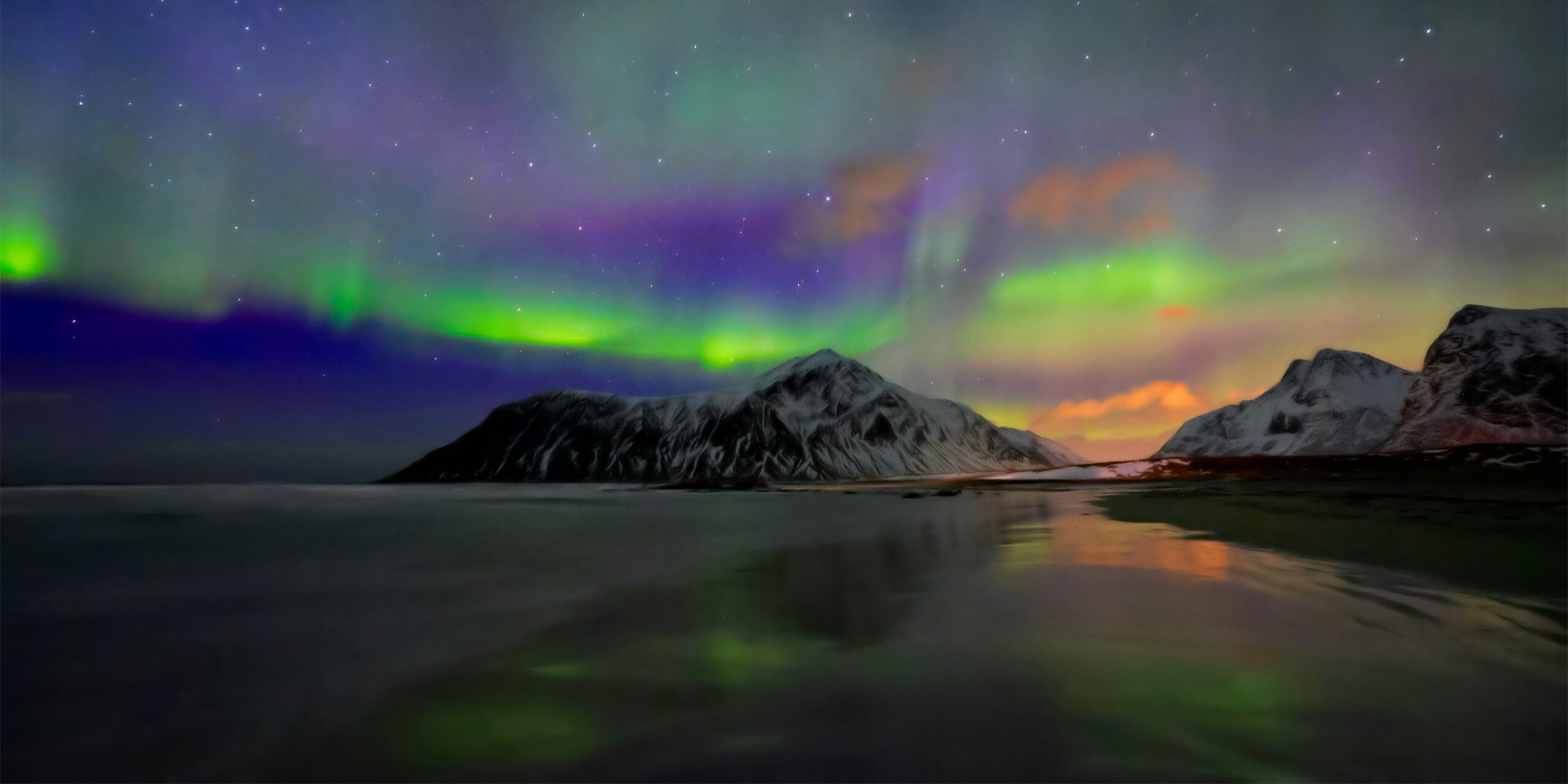
On January 10, 2026, a powerful surge of solar particles, stemming from a recent coronal mass ejection (CME), triggered significant geomagnetic activity, leading to a G1–G2 geomagnetic storm. This level of storm intensity, which is classified as moderate, has set the stage for one of the most awe-inspiring natural phenomena—an aurora borealis display that may extend across parts of the United States, particularly in northern regions. The northern lights, typically seen in higher latitudes, are expected to become visible across areas ranging from Idaho to Maine, offering a rare spectacle for skywatchers and outdoor enthusiasts in the U.S.
The geomagnetic storm is a result of the charged particles emitted by the sun during the CME. These particles interact with Earth’s magnetic field, producing the breathtaking light displays known as the aurora borealis, also referred to as the northern lights. Such storms, while infrequent, create conditions where this natural phenomenon can extend beyond its usual northern confines, giving those located further south an opportunity to experience it. The event offers a chance to witness the radiant curtains of green, purple, and sometimes red that ripple and dance across the night sky in a mesmerizing pattern.
Although the northern lights are a beautiful and mesmerizing phenomenon, health and safety officials have issued a public advisory, reminding people to take appropriate precautions when venturing outside at night, especially in the winter months. While the allure of the aurora borealis may encourage gatherings in outdoor spaces, officials have stressed the importance of dressing warmly and taking steps to ensure safety when facing the winter chill. The cold temperatures typical of northern U.S. winters can be harsh, with some areas experiencing freezing or subfreezing temperatures, potentially leading to hypothermia if people are unprepared for the cold.
In addition to dressing in layers of warm clothing, it is recommended that people protect their extremities by wearing hats, gloves, and insulated footwear to maintain warmth and prevent frostbite. Spending extended periods outside in winter weather, especially under the cover of night, requires preparation to mitigate the risk of cold-related injuries. People are also advised to keep an eye on weather conditions as winter storms can make outdoor conditions more hazardous. Ice and snow-covered roads could pose a danger when traveling to and from viewing spots, making it crucial to assess road conditions before heading out. The advisory encourages individuals to stay informed about the weather forecast and road conditions in their area to avoid any potential accidents.
Another key safety measure suggested by officials is to travel in groups or with a companion, particularly for those planning to venture into more remote or less accessible areas. If an emergency arises, help is often quicker to respond when people are not alone. Additionally, viewing areas should be selected with safety in mind—ensuring that they are free from the risks of icy roads or unstable terrain. For those choosing to stay in more populated areas, it’s important to still stay cautious about traffic and pedestrian safety, as both are heightened during events when large crowds gather.
The aurora borealis forecast for the night of January 10, 2026, offers a rare and exciting opportunity for people in the northern U.S. to witness one of the most stunning natural phenomena on Earth. Yet, with this opportunity comes the need for proper preparation. Officials are urging the public to prioritize their safety, as the spectacle of the northern lights, while breathtaking, also demands respect for the harsh winter conditions. By taking the right precautions—dressing appropriately, checking weather and road conditions, and traveling with others—viewers can enjoy the beauty of the aurora borealis without compromising their well-being.
As the geomagnetic storm progresses, its effects will likely be felt for several hours, providing an extended period for viewing. As always, safety should be at the forefront of plans to enjoy the event, ensuring that this once-in-a-lifetime experience can be savored while minimizing risk. The upcoming aurora borealis display is not only a chance to witness nature’s beauty but also an opportunity to connect with the environment in a way that fosters a deeper appreciation of the natural forces that shape our world.