
Powerful Nor’easter Threatens East Coast With Blizzard Conditions
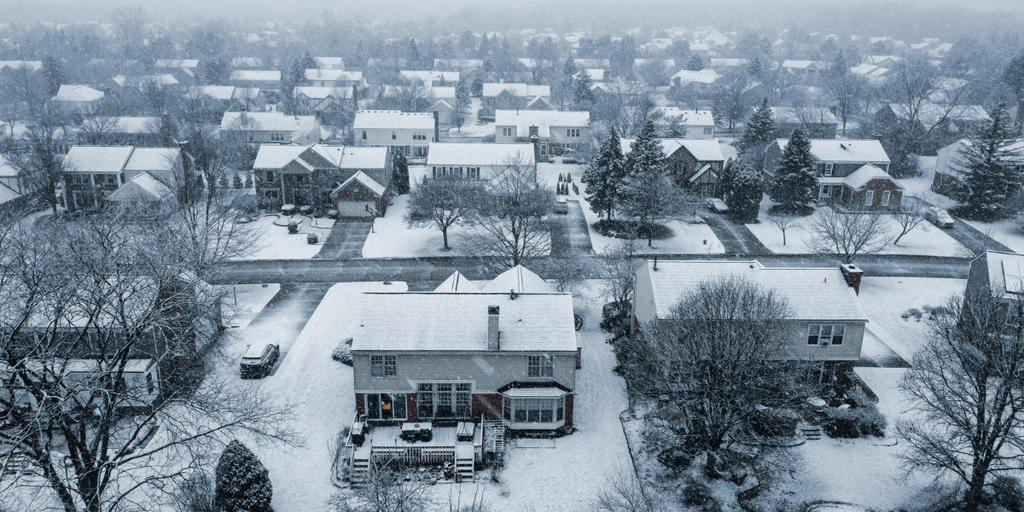
Millions of Americans from the mid‑Atlantic to New England are preparing for a significant winter storm this weekend as meteorologists warn a powerful nor’easter, likely to develop into a bomb cyclone, is poised to bring heavy snow, strong winds, and coastal flooding to the densely populated East Coast beginning late Sunday, February 22 and continuing into Monday, February 23.
Storm Overview and Forecast
According to weather forecasters, a low‑pressure system moving off the U.S. Southeast coast is expected to rapidly intensify as it tracks northward along the Atlantic seaboard, a process known as bombogenesis. This intensification could result in blizzard conditions across key metropolitan areas, including New York City, Boston, Philadelphia, and portions of New Jersey and Connecticut.
National Weather Service alerts and blizzard warnings have already been issued in parts of the Northeast and Mid‑Atlantic, marking the first blizzard warnings for New York City in nearly a decade in some areas.
Forecasters predict:
- Snow accumulations of 12–24 inches in many inland and coastal areas.
- Wind gusts exceeding 50 mph that could lead to white‑out conditions and downed power lines.
- Coastal flooding driven by high tides and strong onshore winds.
Emergency Preparations Underway
State and local authorities are moving aggressively to mitigate the storm’s potential impacts:
- New York Governor Kathy Hochul has declared a state of emergency ahead of the storm, enabling pre‑positioning of storm response teams, snow removal equipment, and essential emergency services.
- New Jersey Governor Mikie Sherrill also declared a state of emergency on February 21, urging residents to prepare for hazardous travel and stay off roads once conditions deteriorate.
- Municipal sanitation and transportation departments in major cities are scaling up operations, with increased staffing and early preparation of road‑treatment systems to counter snow and ice.
Travel and Public Safety Concerns
The storm threatens significant disruptions to travel and daily life for millions:
- Airports along the East Coast could experience widespread flight delays or cancellations as heavy snowfall and high winds hamper operations at major hubs including Newark, LaGuardia, and Boston Logan.
- Road travel may become treacherous with rapidly deteriorating visibility and slick conditions, particularly during the morning and evening rush hours on Sunday and Monday. Agencies are advising commuters to avoid nonessential travel and to consider remote work options where possible.
- Power outages are possible as heavy, wet snow accumulates on trees and power lines, with utility crews preparing for rapid response should outages occur.
Broader Context: Winter Weather in 2026
The looming nor’easter comes on the heels of a winter marked by unusually active and severe storm systems across North America. Several major winter storms earlier this season delivered heavy snow and ice to parts of the Midwest and Northeast, followed by extreme cold outbreaks that challenged infrastructure and emergency services.
Climate scientists note that while individual weather events are influenced by a host of factors, shifts in atmospheric circulation patterns and warmer Atlantic sea surface temperatures can contribute to increased storm intensity in the region. These evolving dynamics are the subject of ongoing research as communities adapt to a potential future with more frequent extreme weather events.
Key Takeaways for Residents and Travelers
As the nor’easter develops over the next 24–48 hours, experts recommend:
- Monitoring local weather forecasts and warnings, which may intensify as forecasters refine storm tracks and timing.
- Preparing emergency kits with food, water, medications, batteries, and other essentials in case of prolonged outages or travel disruptions.
- Planning alternate travel arrangements or postponing trips if possible, given expected hazardous conditions on roads and at airports.
- Following guidance from local authorities and public safety officials, including adherence to travel advisories and closures during peak storm periods.
With its potential to bring heavy snowfall, powerful winds, and travel disruptions to some of the nation’s most populous regions, this nor’easter represents a major winter weather event that may significantly impact daily life across the East Coast this weekend and into early next week.

Good Morning US Contributor
Covers national politics and policy, with an eye on how decisions in Washington reach everyday households.
This article features partner, contributor, or branded content from a third party. Members of the Good Morning US editorial staff were not involved in the creation of this content. All views and opinions are those of the contributor alone.
You May Also Like

Why Bugs Keep Coming Back Inside the House, Even After You Spray

TrashHelp North Florida Makes Junk Removal Simple
SpaceX Starship Reaches Orbit for the First Time and Deploys Starlink Satellites

OpenAI Pauses Training of Latest AI Models After Agents Act Unexpectedly on Government Websites

Everwild Apothecary And The Land + Sea Bet