
Discover the secret to raising emotionally resilient children with powerful connections and practical parenting strategies.
In the whirlwind of today’s world, parenting can feel like an emotional rollercoaster. With constant challenges, heightened expectations, and a relentless pursuit of “perfection,” it’s easy for parents to feel overwhelmed. Yet, one powerful tool has the potential to transform not only how we raise our children but how we grow as individuals: emotional resilience.
Emotional resilience is more than just “bouncing back” from setbacks; it’s about fostering an environment where both children and parents can develop the strength to thrive through life’s ups and downs. And the key? Building genuine connections. In this article, we’ll explore how parents can raise emotionally resilient kids by shifting their focus from control to connection, ultimately creating a more peaceful, confident, and thriving family dynamic.
The Power of Emotional Resilience
Resilience is often thought of as a trait reserved for adults who have weathered storms and come out stronger. But, when it comes to children, resilience is just as important, especially in an era when they’re dealing with unprecedented challenges. Emotional resilience allows kids to face difficulties, disappointments, and even successes with a healthy mindset and positive coping strategies.
But how can we teach our kids to develop this crucial skill? Research has shown that emotional resilience doesn’t just come from external factors or life experiences alone. Instead, it’s cultivated through the relationships we nurture with our children, ourselves, and others. These connections teach kids how to manage stress, overcome setbacks, and cope with challenges in a healthy and empowered way.
From Control to Connection: The Parenting Shift
Too often, traditional parenting methods focus on control, disciplining behavior, setting rules, and imposing consequences. While this approach may work in the short term, it doesn’t build the emotional resilience children need for long-term success. In fact, this focus on control can inadvertently breed anxiety, insecurity, and self-doubt in both parents and children.
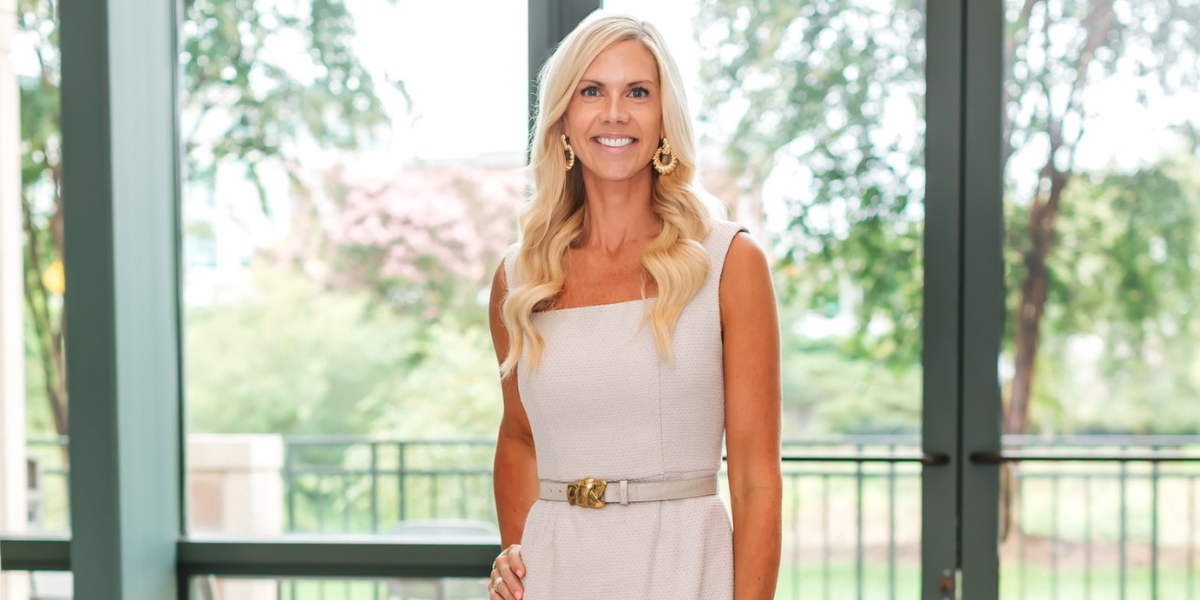
Sara Lewis Hartley, a healthcare executive and certified ADHD and Neurodiversity coach, emphasizes the importance of moving away from control and toward connection. Her “ALIGN Parenting Method™” offers an empowering alternative to conventional parenting techniques, focusing on emotional awareness, reflection, and mutual growth.
What is ALIGN Parenting?
ALIGN stands for Awareness, Listen and Label, Identify (triggers), Ground, and Nurture, the five pillars that Sara believes are essential for building lasting emotional resilience in children. Rather than focusing on external behavior, ALIGN teaches parents to focus inward: to become more aware of their own emotional states, to regulate their responses, and to connect with their children on a deeper, more empathetic level.
Sara’s philosophy goes beyond correcting misbehavior. It’s about understanding the why behind the behavior, recognizing that a child’s emotional outburst may stem from fear, frustration, or a lack of understanding. By acknowledging the underlying emotions, parents create a safe space for children to process their feelings in a healthy, non-judgmental environment.
Why Emotional Connection Matters More Than Control
Emotional connection is the foundation of resilience, and it’s where many traditional parenting approaches fall short. Control may create short-term compliance, but connection builds trust, communication, and long-term emotional growth.
Consider a common scenario: a child melts down over homework. A control-based response might involve punishment or taking away privileges. While this may stop the behavior temporarily, it often overlooks what’s happening underneath, feelings of frustration, stress, or overwhelm.
A connection-based approach invites parents to pause and engage rather than react. Instead of focusing solely on behavior, parents might ask, “What feels hard about your homework right now?” or “What’s making this so frustrating?” Connection deepens when parents normalize the experience: “That makes sense. Homework can be really hard sometimes. I didn’t love it either when I was your age.”
Connection doesn’t mean removing boundaries. Parents can still hold expectations while offering support by saying, “We still need to get it done, but we can figure this out together. How can I help you get started?” These moments teach children that their feelings are valid, and that they’re not alone.
This is the core of the ALIGN Parenting Method™: starting with awareness, identifying the underlying cause, leading with empathy, maintaining clear expectations, and responding with intention rather than impulse. Over time, these small moments of connection build emotional intelligence and resilience far more effectively than reactive discipline ever could.
Modeling Emotional Resilience: It Starts With Us
Emotional resilience doesn’t just come from words, it’s also modeled through action. Parents are their children’s first role models, and how we respond to stress, conflict, and setbacks directly influences how our children will handle similar situations.
For example, when a parent encounters a stressful situation, like a work challenge or a disagreement with a partner, how they react can teach their children valuable lessons. Do they model calmness and problem-solving? Or do they react impulsively, letting their emotions take over?
Children are watching, and they absorb what they see. By taking a moment to regulate our own emotions and respond with patience, empathy, and understanding, we teach our kids how to cope with their own emotions in a healthy way. It’s in these small, everyday moments that emotional resilience is built.
The Role of Empathy in Building Emotional Resilience
At the core of emotional resilience is empathy. When parents take time to understand and validate a child’s emotions, whether joy, frustration, or sadness, they help create a secure emotional foundation. That sense of emotional safety allows children to develop self-regulation skills, knowing they are loved and accepted no matter what they feel.
When children feel understood, they are more likely to open up. This creates space for parents to guide them through difficult emotions without judgment, offering support and tools that build resilience over time.
Sara emphasizes that empathy often begins with curiosity, especially in emotionally charged moments.
“Curiosity softens anger. When we get curious about what’s underneath a reaction, empathy and compassion naturally take its place.”
Rather than rushing to “fix” emotions, Sara encourages parents to slow down and make space for them. Asking questions like, “What do you think would help right now?” invites children into problem-solving in a way that feels empowering. Over time, these moments strengthen emotional awareness, confidence, and a child’s ability to manage their own emotional responses.
Emotional Resilience in Neurodivergent Children: A Unique Approach
Parents of neurodivergent children face unique challenges when it comes to emotional regulation. Conditions such as ADHD, autism, or anxiety can make emotional self-regulation more difficult, often leading to intense emotional reactions.

Sara Lewis Hartley’s work with neurodivergent families highlights the importance of flexibility and patience in raising emotionally resilient children. For these children, connection is especially crucial. Heightened emotions, sensory sensitivities, or communication differences can make it harder to express feelings clearly or calmly in the moment.
Parents of neurodivergent children can benefit from focusing on creating a predictable, safe environment that honors their child’s unique emotional landscape. This involves not only setting clear expectations but also being flexible in how those expectations are communicated and met. By practicing patience and emotional awareness, parents can help their children navigate their feelings and develop resilience over time.
Parenting for the Future: Building Emotional Resilience for a Lifetime
Raising emotionally resilient children isn’t about perfection; it’s about creating an environment where children feel loved, understood, and supported, even when things don’t go smoothly. It means modeling emotional awareness, owning mistakes, and showing children how to reconnect after difficult moments. These experiences teach children that emotions are manageable and relationships are resilient.
Sara’s message to parents is clear: It’s not about doing everything right; it’s about showing up with empathy, compassion, and a willingness to grow alongside your child. When parents model reflection and repair, children learn that mistakes are part of being human—and that trust is built through honesty, accountability, and connection. Over time, these lessons equip children with the emotional tools they need to face life’s challenges with confidence and resilience.
To learn more about the ALIGN Parenting Method™ and access free resources designed to support emotional regulation for both parents and children, visit Sara’s website or connect with her on social media:
Sara’s Website
LinkedIn
Instagram