
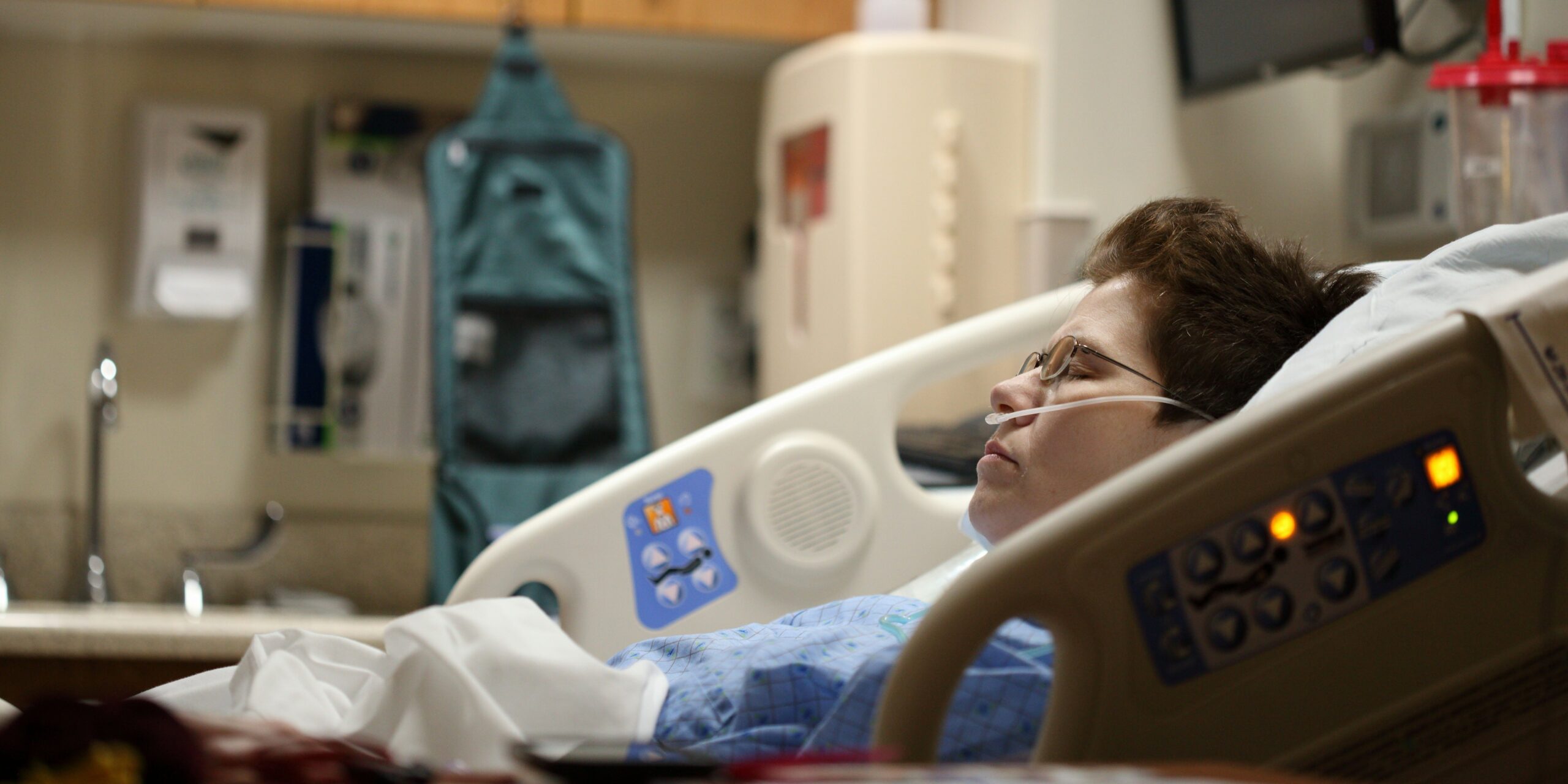
As the year 2025 comes to an end, the medical and biotechnology communities are taking stock of a period marked by remarkable progress, offering renewed hope to patients, families, and health professionals. From gene therapy to vaccine innovation, this year’s advancements have not only broken scientific ground but have also reshaped the future of patient care. Despite a backdrop of economic uncertainty and shifting public health priorities, researchers have demonstrated the enduring resilience of the scientific ecosystem. Through collaboration, technological ingenuity, and a relentless drive to solve humanity’s most pressing health challenges, 2025 emerged as a milestone year for innovation in medicine.
Among the most widely celebrated developments is the expanding success of gene therapies that target previously untreatable diseases. In a landmark clinical trial, researchers achieved a breakthrough in slowing the progression of Huntington’s disease—a devastating genetic disorder that gradually deteriorates brain function. Using a viral vector system to deliver gene-modifying sequences directly to affected neurons, scientists reported significant improvements in early-stage patients. For families who have long lived with the uncertainty of this inherited condition, the findings brought cautious optimism and a glimpse into a future where genetic diseases may become manageable or even curable.
Another standout moment came with a life-saving intervention for a newborn diagnosed with a rare metabolic disorder. Doctors applied a custom-built CRISPR gene-editing therapy, crafted specifically for the child’s unique mutation. Delivered shortly after birth, the therapy corrected the underlying defect and prevented the onset of severe, life-threatening symptoms. This personalized application of gene-editing tools represents a new frontier in pediatrics and precision medicine. It also suggests a future in which individualized therapies are not only technically feasible but are also implemented quickly enough to save lives in their earliest stages.
Vaccines, too, remained a central focus of innovation. Building on mRNA technology originally developed during the COVID-19 pandemic, researchers found new applications for vaccine platforms in both infectious diseases and beyond. Some studies revealed that certain vaccines may have broader health effects than originally intended. For instance, the shingles vaccine was linked to a reduced risk of developing dementia, suggesting that vaccine-triggered immune responses might help delay neurodegeneration. Meanwhile, updated maternal and infant vaccine protocols led to dramatic reductions in hospitalizations related to respiratory syncytial virus (RSV), offering better protection for newborns during their most vulnerable months.
This year also saw an unprecedented advancement in organ transplantation. In a groundbreaking procedure, surgeons successfully performed the world’s first human bladder transplant. The complex operation required reconnecting delicate blood vessels and nerves to ensure full functionality. The patient’s positive recovery opened the door for potential applications in other difficult-to-transplant organs, expanding the horizon of regenerative medicine and reconstructive surgery. It is a major step toward improving quality of life for individuals with congenital or trauma-induced organ damage.
Oncology treatments continued evolving as well, with researchers discovering that mRNA vaccines could enhance the effectiveness of existing cancer immunotherapies. In clinical trials, patients with advanced-stage cancers such as melanoma and lung cancer experienced stronger immune responses when their treatment was supplemented with an mRNA vaccine. This unexpected crossover between vaccine science and oncology is prompting scientists to rethink how the immune system can be harnessed to fight cancer, offering a new layer of personalization in cancer treatment protocols.
Technological interfaces also made strides in 2025, especially for patients with severe neurological conditions. Brain-computer interface (BCI) systems enabled individuals with paralysis or degenerative diseases like ALS to control digital devices using only their thoughts. One high-profile case involved a patient composing messages and interacting with caregivers entirely through a BCI headset, demonstrating the power of neurotechnology to restore autonomy and communication. These tools, once considered science fiction, are fast becoming viable components of rehabilitative care.
Sleep medicine witnessed a promising development as well, with the introduction of an experimental oral drug for obstructive sleep apnea. In clinical testing, the pill significantly reduced episodes of interrupted breathing, offering an alternative to the continuous positive airway pressure (CPAP) machines that many patients find cumbersome. If approved, this pharmaceutical option could increase treatment adherence and dramatically improve sleep health outcomes, which are closely tied to cardiovascular and cognitive wellbeing.
Diagnostic innovation also accelerated. A new generation of blood tests designed to detect biomarkers associated with Alzheimer’s disease reached clinical validation stages. These minimally invasive tests offer earlier and more accessible detection methods, which is critical for patients seeking timely interventions to slow cognitive decline. With the aging population continuing to grow, such tools could play a central role in managing dementia at a societal level.
Artificial intelligence remained a powerful force in medical research, revolutionizing both drug discovery and clinical diagnostics. Machine learning algorithms helped researchers identify new drug targets, streamline preclinical testing, and analyze vast datasets for patterns undetectable to the human eye. These advances are not only cutting costs and development timelines but are also yielding more precise therapeutic candidates across multiple disease areas.
Another important discovery came from AI-assisted medical imaging, which led to the identification of previously unknown subtypes of multiple sclerosis. By analyzing thousands of brain scans and patient profiles, researchers discovered distinct biological patterns that could help tailor treatments more effectively. This kind of stratification is increasingly important as the field of medicine shifts toward personalized, data-driven care.
Collectively, these breakthroughs underscore the strength of collaborative science and the value of public-private partnerships. Despite obstacles such as funding uncertainties, regulatory delays, and global health pressures, 2025 proved that innovation thrives when the scientific community is empowered to pursue bold ideas. Federal agencies, academic institutions, and biotech firms worked in concert to move promising therapies from laboratories to clinics at record speeds.
As the world looks to 2026, the momentum generated in 2025 is expected to carry forward. Clinical trials for next-generation therapies are already underway, and emerging technologies are poised to push the boundaries of what modern medicine can achieve. For patients living with chronic, rare, or life-threatening conditions, the advancements of this year have transformed distant possibilities into near-term realities, reshaping expectations for care and cure in the years ahead.